


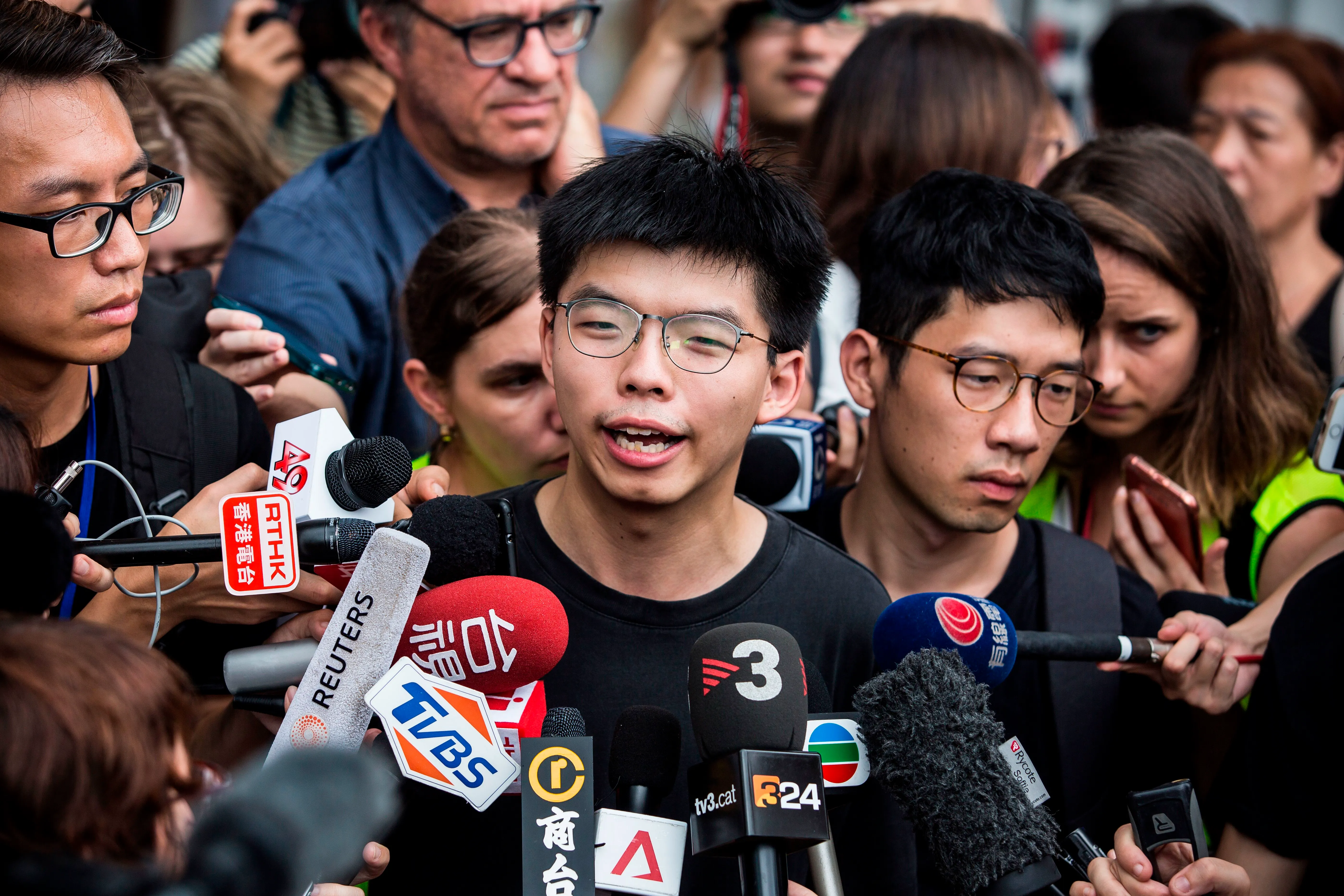
Hong Kong lawmakers have criticised foreign governments for questioning the decision to give pro-democracy activist Joshua Wong an additional 10 years in prison. The city’s Legislative Council said the international reaction was an attempt to damage Hong Kong’s judicial system and misrepresent its national security laws. The statement followed growing criticism from foreign officials after Wong received his latest sentence under legislation introduced by Beijing in 2020.
Wong, 30, has been in prison since 2020. He was sentenced again on Thursday after being convicted of collusion with foreign entities under the national security law. The additional sentence has attracted attention because Wong became one of the most recognisable figures in Hong Kong’s pro-democracy movement. He was involved in demonstrations calling for greater democratic rights and political accountability in the territory.
Hong Kong lawmakers said foreign criticism was politically motivated and intended to confuse the public. A spokesperson for the Legislative Council argued that the city’s legal system should not be judged through statements made by overseas governments. The council also said Hong Kong had restored stability and continued to perform strongly in international business and competitiveness rankings.
The national security law was imposed by Beijing in 2020 following months of large demonstrations in Hong Kong. Supporters of the legislation say it restored order after a period of unrest, while critics argue that it has restricted political freedoms and made it harder for opposition groups to operate. Several activists and former lawmakers have faced prosecution under the law.
The latest sentence has renewed international debate about the relationship between national security and civil liberties. Foreign governments and human rights organisations have questioned whether the law allows enough space for political opposition and freedom of expression. Chinese and Hong Kong authorities have rejected those concerns, saying the legislation is necessary to protect national security.
The disagreement is likely to continue as Hong Kong maintains its current legal framework and foreign governments raise concerns about its impact on political rights. Wong’s case has become another major point of tension between the authorities and international critics. The wider debate will remain focused on how Hong Kong balances its security policies with the freedoms and legal protections expected by the international community.