


Author: Andrew Rogers

Andrew Rogers
Andrew Rogers is a seasoned journalist and news analyst specializing in global affairs, politics, and finance. With a passion for investigative reporting, he delivers accurate, insightful stories that inform and engage readers worldwide.

Frederic Arnault is a name that has been gaining significant attention in the world of luxury goods and business. As a prominent member of the Arnault family, which controls the global luxury giant LVMH, Frederic stands out as a rising star in the luxury industry. Born on November 7, 1995, in France, he is the youngest son of Bernard Arnault, the chairman and CEO of LVMH, and Hélène Mercier, a Canadian concert pianist. Despite coming from one of the wealthiest families in the world, Frederic has managed to carve his own path, especially within the luxury watch sector. Educated at…
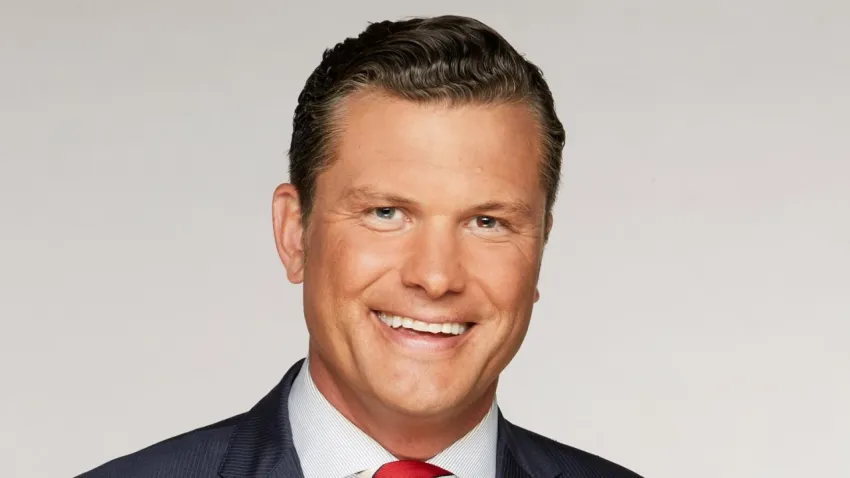
Pete Hegseth is a well-known American figure who has built a career as a military veteran, political commentator, and government official. Born on June 6, 1980, in Minneapolis, Minnesota, Hegseth’s journey reflects his commitment to public service, conservative politics, and veteran advocacy. After completing his education at Princeton University in 2002, he further pursued a Master of Public Administration at Harvard University’s Kennedy School of Government, equipping himself with a strong foundation for both military and policy leadership. Hegseth’s military career began with his service as an infantry officer in the Minnesota Army National Guard. During his time in the…

The Republican Party is one of the two major political parties in the United States, known widely as the GOP, which stands for Grand Old Party. Founded in 1854, the party emerged mainly from anti-slavery activists, former Whigs, and Free Soilers who opposed the spread of slavery into new territories. The first Republican president was Abraham Lincoln, elected in 1860, whose leadership during the Civil War helped end slavery and shape the nation’s future. Since then, the Republican Party has played a central role in American politics. The party’s ideology is largely conservative, emphasizing limited government intervention in the economy,…
The War Powers Act, officially known as the War Powers Resolution of 1973, is a significant United States federal law that seeks to regulate the president’s authority to engage the country in armed conflict without explicit approval from Congress. Passed during the Vietnam War era, the Act was a direct response to concerns that U.S. presidents had increasingly committed military forces to combat situations without sufficient oversight from the legislative branch. Its purpose is to restore the constitutional balance of power between the president, who serves as commander-in-chief, and Congress, which holds the power to declare war. This legislation requires…
The North Atlantic Treaty Organization (NATO) is a powerful military alliance that plays a crucial role in global security and defense. Established on April 4, 1949, NATO was created to promote peace and collective defense among its member countries. It started with 12 founding members, including the United States, Canada, and several Western European nations, in response to threats after World War II and the beginning of the Cold War. The organization was designed to protect its members against possible aggression, particularly from the Soviet Union at that time. NATO’s foundation is based on the North Atlantic Treaty, also known…
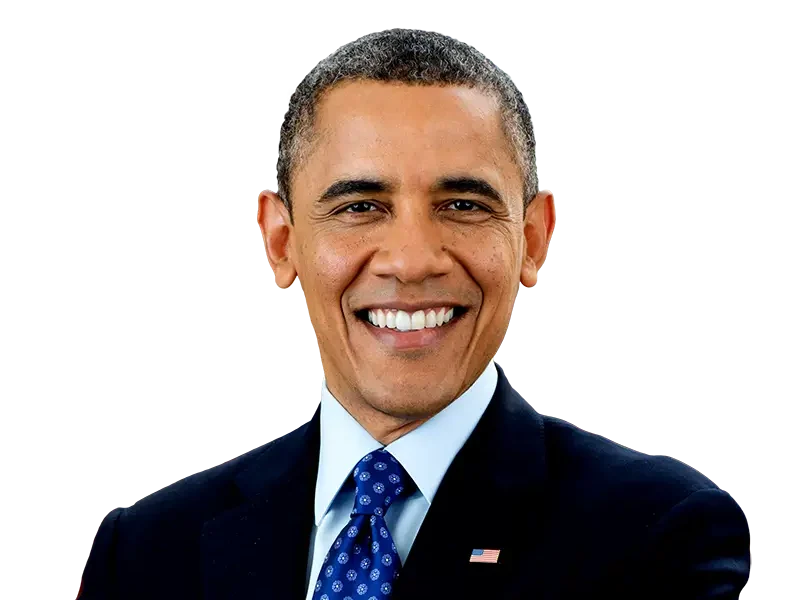
President Barack Obama is one of the most influential leaders in recent American history. He served as the 44th President of the United States from 2009 to 2017 and was the first African-American to hold this high office. Born on August 4, 1961, in Honolulu, Hawaii, Obama’s rise to the presidency is a story of determination, education, and dedication to public service. His journey began with a strong educational background, attending Occidental College before transferring to Columbia University in New York City, where he earned a Bachelor of Arts degree in Political Science. He later attended Harvard Law School, graduating…
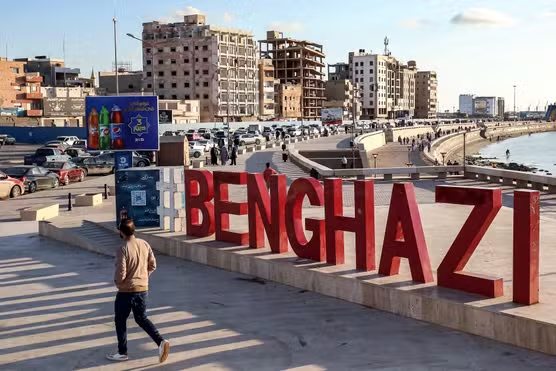
Benghazi is Libya’s second-largest city and an important economic and cultural center located in the northeastern part of the country along the Mediterranean coast. Known as the main port and hub of eastern Libya, Benghazi has a long and rich history that dates back to ancient times. It stands in the historic region of Cyrenaica and has been a key player in the country’s past and recent events. The city’s origins trace back to the time of the ancient Greeks and Romans. Near the modern city was the Greek colony of Euesperides, reflecting the long-standing human presence in the area.…
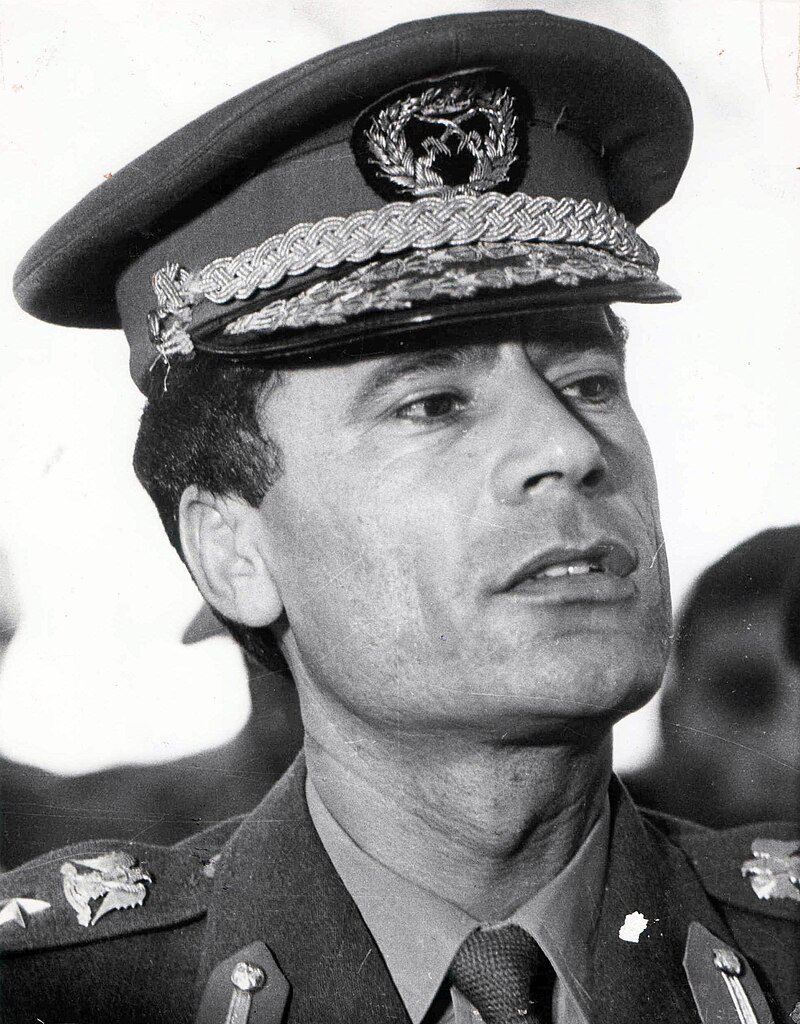
Muammar Gaddafi was a Libyan revolutionary and political leader who ruled Libya for over four decades. Born in 1942 in a Bedouin tent near Sirte, Libya, Gaddafi came from the Qadhadhfa tribe. After studying at the Royal Military Academy in Benghazi, he rose quickly through the military ranks. In 1969, Gaddafi led a bloodless coup that overthrew King Idris I, ending the monarchy and establishing a republic with himself as the leader. His rule began a new era for Libya, one defined by radical political ideas and ambitious social programs. Gaddafi developed a unique political philosophy expressed in his Green…
The Russian Foreign Ministry plays a pivotal role in shaping Russia’s global diplomacy and foreign policy. Officially known as the Ministry of Foreign Affairs of the Russian Federation, this government agency manages the country’s relationships with nations around the world and represents Russian interests in international forums. The ministry’s history dates back to 1802, established under Tsar Alexander I during the Russian Empire. It continued through the Soviet era and evolved into its current form following the dissolution of the Soviet Union in 1991. Throughout these changes, the ministry has maintained its core function of managing Russia’s diplomatic affairs. At…
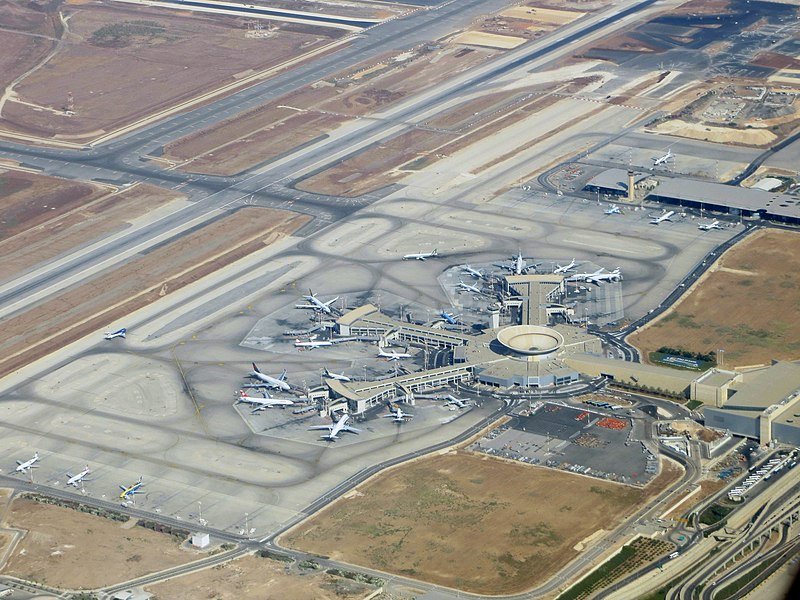
Ben Gurion Airport is the busiest and most important international airport in Israel. Located near the city of Lod, around 20 kilometers southeast of Tel Aviv, it serves as the main gateway for international travel to and from the country. Operated by the Israel Airports Authority, Ben Gurion Airport plays a key role in both civilian and military operations. It is also one of the most secure airports in the world, known for its high-level security systems and careful screening procedures. The airport is named after David Ben-Gurion, the first Prime Minister of Israel and one of the founders of…