


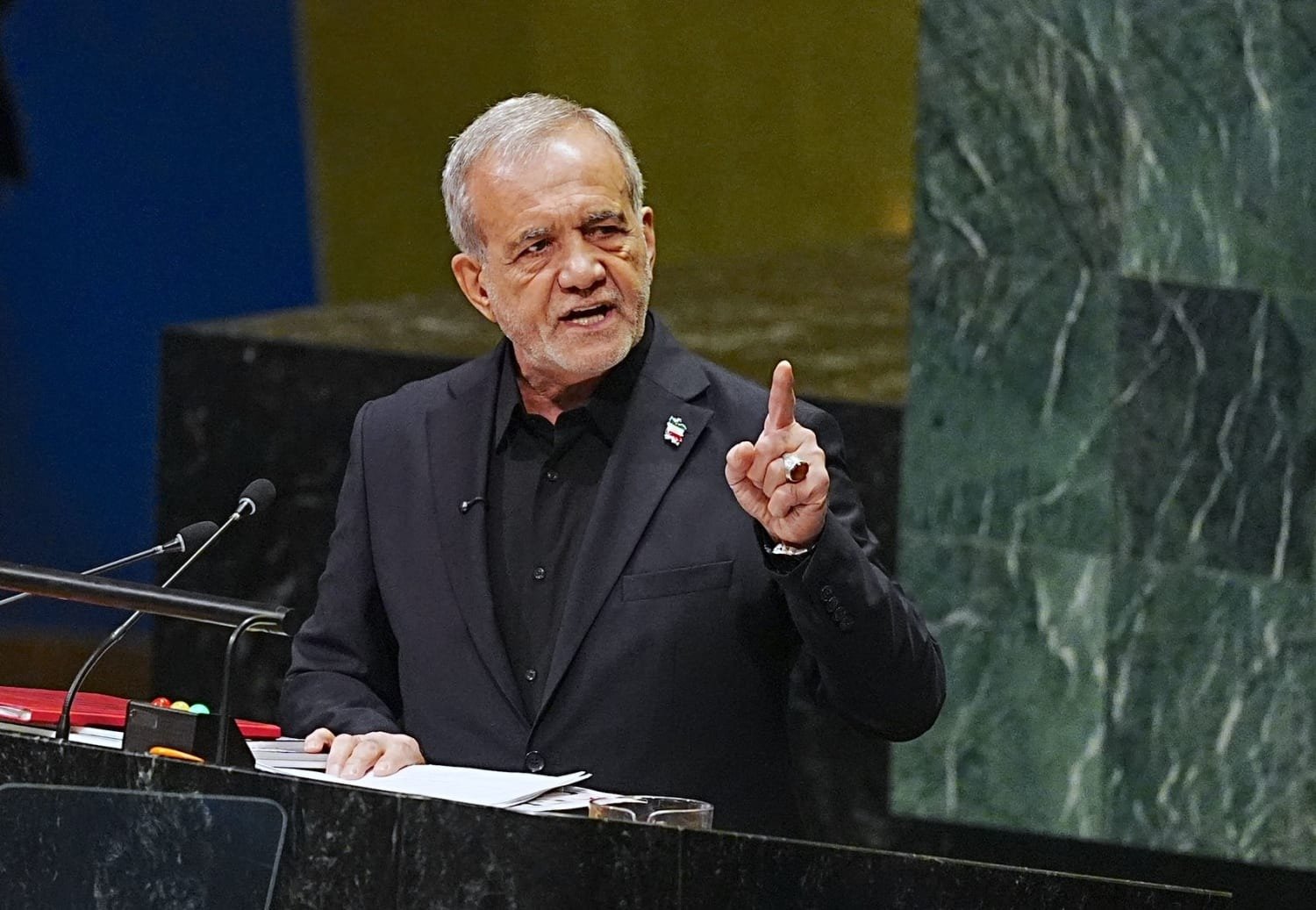
Iranian President Masoud Pezeshkian expressed hope this week that a deal with Washington aimed at ending ongoing hostilities could be reached before American midterm elections scheduled for early November, offering rare insight into Tehran’s internal timeline considerations during a period of intensive diplomatic activity surrounding the United Nations General Assembly gathering in New York. Speaking with journalists on the sidelines of the assembly, Pezeshkian’s comments suggested at least some Iranian interest in reaching an agreement within a specific and relatively near-term political window.
This expressed timeline preference comes as American and Iranian officials have reportedly engaged in increasingly substantive discussions regarding a potential agreement covering the reopening of the Strait of Hormuz, with reports suggesting these talks entered a more technical negotiating stage this week under Qatari mediation. Pezeshkian’s public acknowledgment of hoping for resolution before the American midterm elections adds an interesting political dimension to the negotiations, suggesting Iranian officials may be factoring American domestic political considerations into their own strategic calculations regarding negotiation timing.
Despite this expressed hope for relatively swift resolution, Iranian officials have simultaneously maintained firm positions on certain core issues, particularly regarding the country’s nuclear program, with a separate senior Iranian official telling reporters this week that Tehran would show no flexibility on nuclear matters even if the United States accepts Iran’s specific proposal regarding the Strait of Hormuz. This combination of expressed openness to swift resolution on some fronts alongside continued firmness on others illustrates the genuinely complex and multi-layered nature of the ongoing negotiations between the two countries.
Analysts covering Iranian domestic politics note that Pezeshkian, generally viewed as representing a more moderate faction within Iran’s broader political establishment, has consistently signaled greater interest in reaching a negotiated resolution compared to some more hardline elements within the country’s government and security apparatus. His specific comments regarding the American midterm election timeline may reflect a broader Iranian political calculation that continued negotiation under the current American administration could prove more productive than waiting for potential shifts in American political dynamics following the midterm elections.
The broader diplomatic context surrounding these comments includes ongoing American statements suggesting the Trump administration sees little urgent pressure to rush toward an agreement, given what officials have characterized as America’s currently strong negotiating position resulting from its sustained sanctions campaign and naval blockade affecting Iranian shipping. This apparent asymmetry in urgency between the two negotiating parties, with Iran expressing interest in a relatively swift timeline while American officials project greater patience, could significantly influence how negotiations develop over the coming weeks.
International observers continue monitoring these negotiations closely, given the substantial implications any eventual agreement could have for regional stability and global energy markets, both of which have experienced considerable disruption throughout the extended period of tension between the two countries. Diplomatic sources suggest that while both sides have expressed general interest in reaching some form of resolution, significant gaps remain regarding the specific terms any final agreement might include, particularly concerning the nuclear program that has remained central to American negotiating demands throughout the crisis.
As diplomatic activity continues across multiple channels in the coming weeks, Pezeshkian’s expressed hope for resolution before the American midterm elections provides one useful data point for understanding Iran’s current strategic calculations, even as the ultimate timeline for any actual agreement remains genuinely uncertain. Whether this expressed preference for relatively swift resolution translates into meaningful compromise on the more difficult outstanding issues, particularly regarding the nuclear program, will likely become clearer only as negotiations continue developing in the weeks ahead.