

Author: Andrew Rogers

Andrew Rogers
Andrew Rogers is a seasoned journalist and news analyst specializing in global affairs, politics, and finance. With a passion for investigative reporting, he delivers accurate, insightful stories that inform and engage readers worldwide.
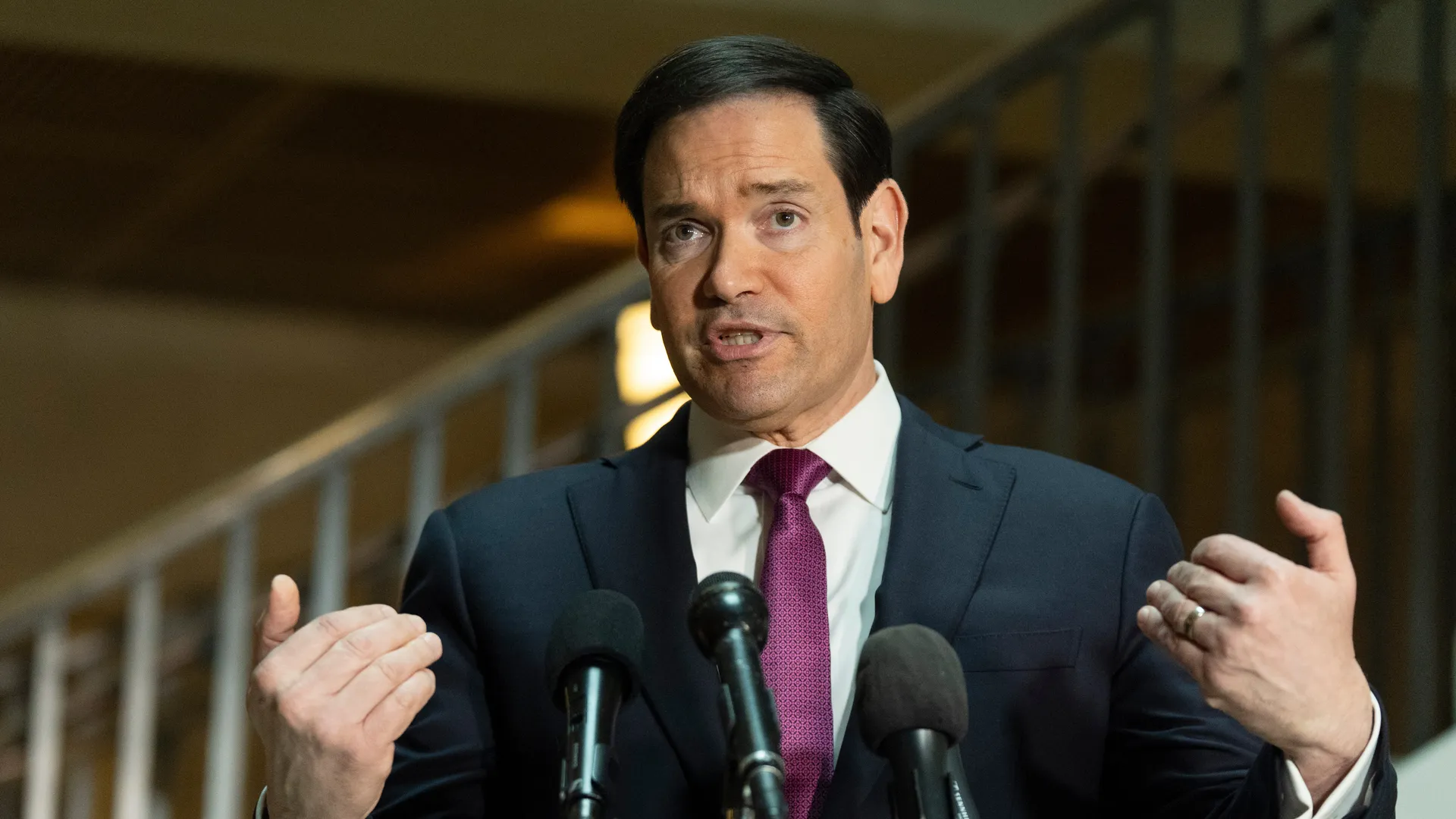
The military confrontation between Iran and United States-Israel has now entered its 29th day. The conflict has seen targeted killings of Iranian commanders and leaders, but Tehran’s political structure remains intact, continuing to resist external pressure. According to Daljoog News analysis, the persistence of both sides in this conflict underscores a high-stakes geopolitical struggle in the region, with implications for energy security, military strategy, and regional alliances. The timing is significant as the confrontation coincides with global scrutiny of the Strait of Hormuz, a critical maritime passage, and rising concern over escalation impacting international trade and regional stability. What Happened?…
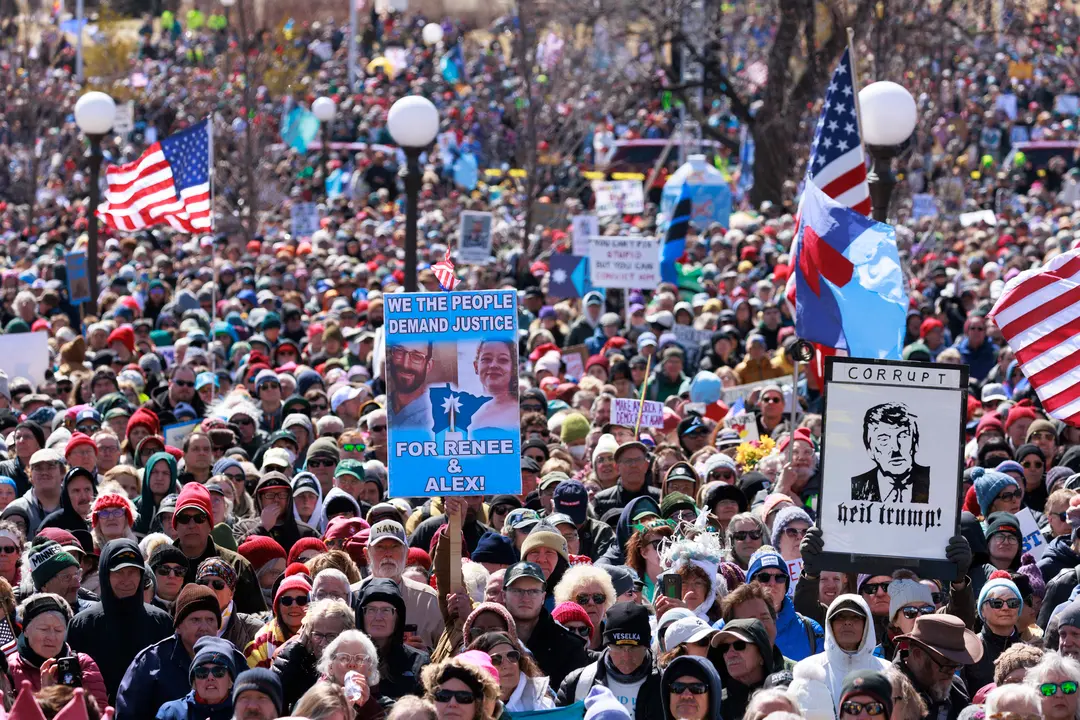
Large-scale “No Kings” protests have erupted across the United States for the third time since Donald Trump returned to power for a second term. Demonstrations have taken place in all 50 states, with thousands of coordinated events drawing widespread participation. According to Daljoog News analysis, the protests signal growing public resistance to policies seen as overly aggressive, particularly on foreign policy and domestic enforcement measures. The movement has also expanded beyond U.S. borders. Demonstrations in major European cities suggest that opposition to current U.S. policies is gaining international visibility at a critical geopolitical moment. What Happened? Organisers report that more…
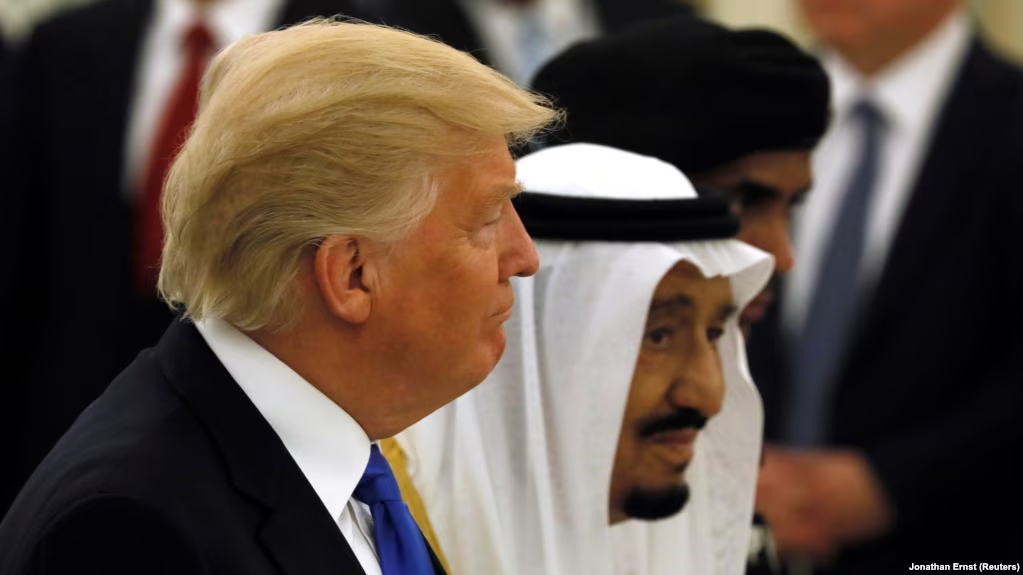
U.S. President Donald Trump has drawn sharp criticism after making controversial remarks about Saudi Arabia’s leadership during a public speech in Miami. His comments quickly spread online and triggered strong reactions across political and public circles. According to Daljoog News analysis, the remarks risk weakening a long-standing strategic relationship between Washington and Riyadh at a time when regional stability remains uncertain. The timing adds weight to the controversy. U.S.-Saudi ties play a central role in Middle East security, global energy markets, and wider diplomatic coordination, making public rhetoric especially sensitive. What Happened? During a speech on Friday in Miami, Trump…
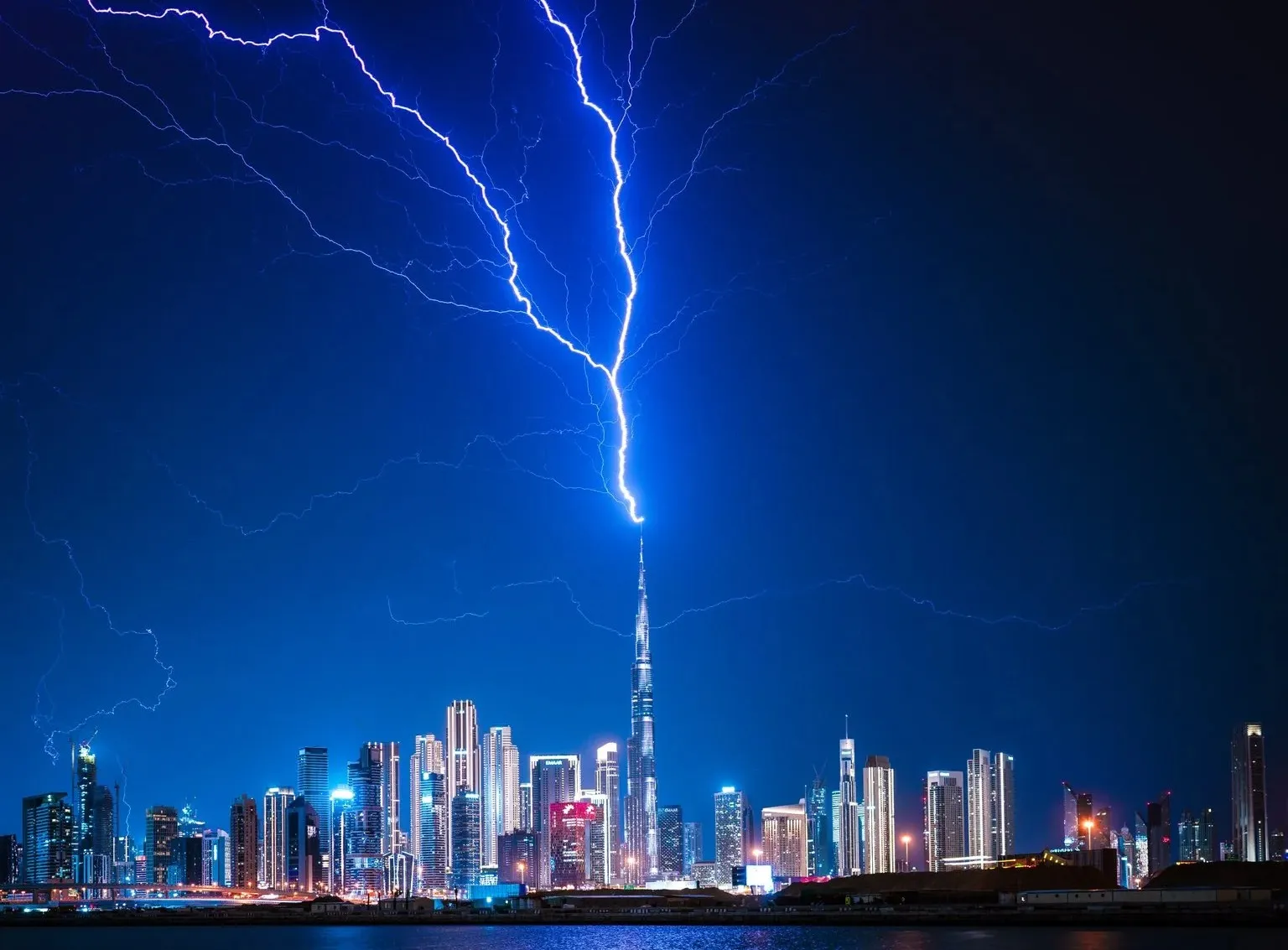
A dramatic lightning strike struck Dubai’s Burj Khalifa during a nighttime thunderstorm on Friday, sending a shockwave through social media as videos of the event went viral. The 163‑story skyscraper, the tallest building in the world, remained unharmed. According to Daljoog News analysis, the incident highlights the effectiveness of modern engineering in high‑rise architecture, particularly the building’s advanced lightning protection systems. Despite being directly struck, the lightning safely traveled through the structure’s conductive rods into the ground. The strike occurred amid widespread rainfall across the UAE, underlining how extreme weather can impact even the most iconic man‑made landmarks and the…
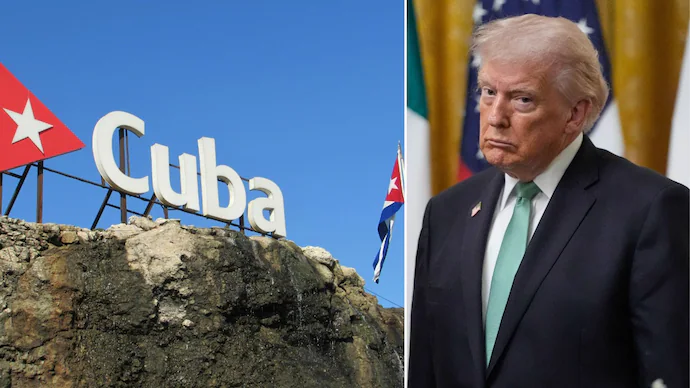
U.S. President Donald Trump has stirred global attention by suggesting that the United States may turn its focus toward Cuba after recent military and diplomatic moves in the Middle East and Latin America. The remark came during a high‑profile speech where he highlighted what he described as American military successes. According to Daljoog News analysis, his comment “Cuba is next” — even without specific policy detail — represents an escalation in rhetoric that could influence diplomatic and strategic calculations in the Western Hemisphere. This statement arrives against a backdrop of heightened tensions, ongoing negotiations between Washington and Havana, and an…
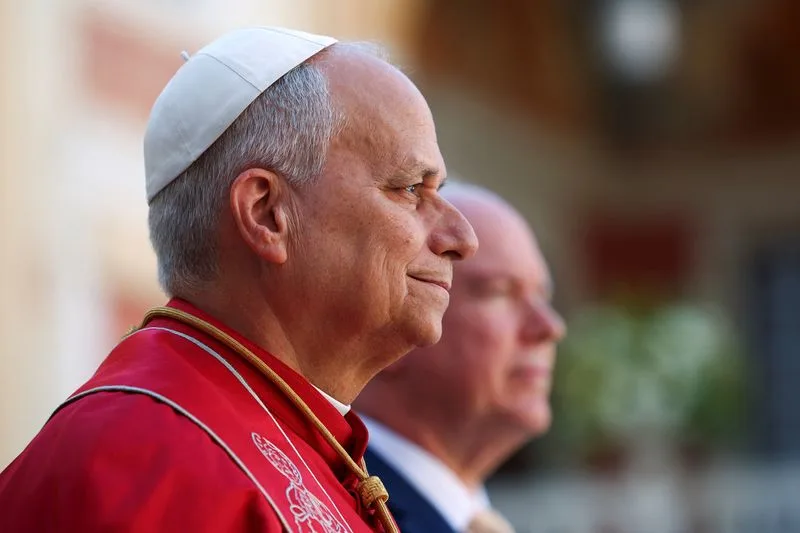
Pope Leo used his first visit to Monaco to deliver a clear message: wealth carries responsibility. Speaking in one of the richest enclaves in the world, he urged residents to use their prosperity to support those in need. According to Daljoog News analysis, the visit was not just symbolic. It reflected a broader Vatican effort to engage influential financial centers and push moral arguments around inequality and social responsibility. The timing also matters. With global tensions rising and economic disparities widening, the pope’s message in a tax-friendly haven for billionaires signals growing concern about how wealth is distributed and used…
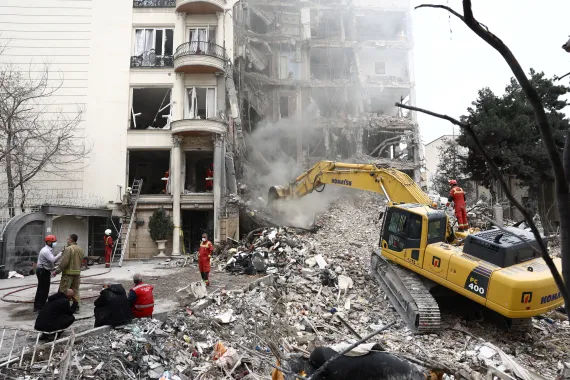
The conflict between Iran and Israel has entered its fourth week, showing no signs of abating. Early in the fighting, Israeli and U.S. strikes inflicted significant damage on Iranian targets, but Tehran has responded with increasingly sophisticated missile attacks, shifting the momentum. According to Daljoog News analysis, Iran’s sustained counteroffensive demonstrates strategic resilience, catching Israeli forces off guard and challenging U.S. assumptions about the war’s potential trajectory. The situation has escalated to a point where Iran is reportedly involving children in support roles, a move that underscores the conflict’s intensity and its broader humanitarian implications. What Happened? Since the initial…
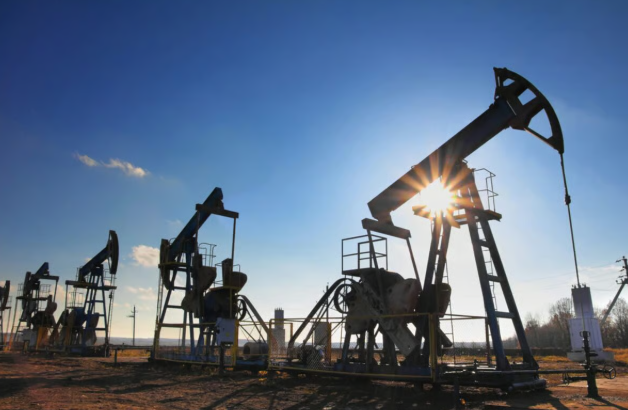
Despite nearly a month of military conflict with the United States and Israel, Iran’s foreign currency earnings remain resilient. The country is reportedly generating an average of $139 million per day through oil exports and strategic tolls. According to Daljoog News analysis, this sustained revenue demonstrates Tehran’s ability to leverage both its energy sector and control over critical maritime routes to mitigate the economic impact of regional tensions. The timing is critical as the conflict continues to escalate. With global oil markets sensitive to supply disruptions, Iran’s ability to maintain and even increase revenue is drawing attention from energy analysts…
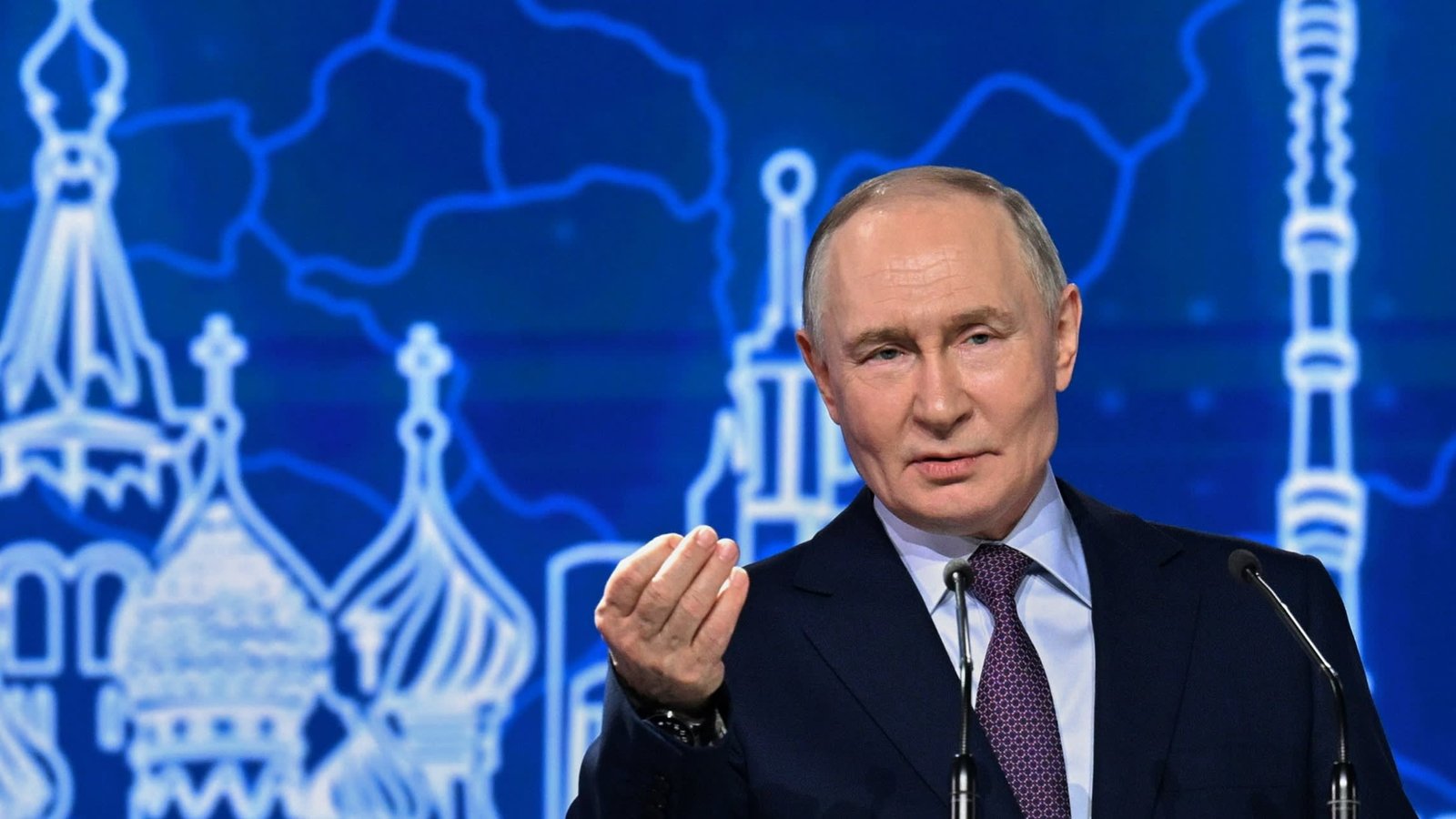
Tensions across the Middle East are intensifying as Israel, Iran, and regional actors escalate military and strategic moves. The growing conflict has sparked fears over stability, energy markets, and regional security. According to Daljoog News analysis, Russian President Vladimir Putin’s recent statements in Moscow signal more than routine concern. His warnings frame the conflict as a long-term threat with global economic repercussions, not just a regional skirmish. The timing is critical. As U.S.-Israel operations target Iranian military infrastructure, markets and governments are closely monitoring potential disruptions to oil flows, supply chains, and political stability across Europe and beyond. What Happened?…
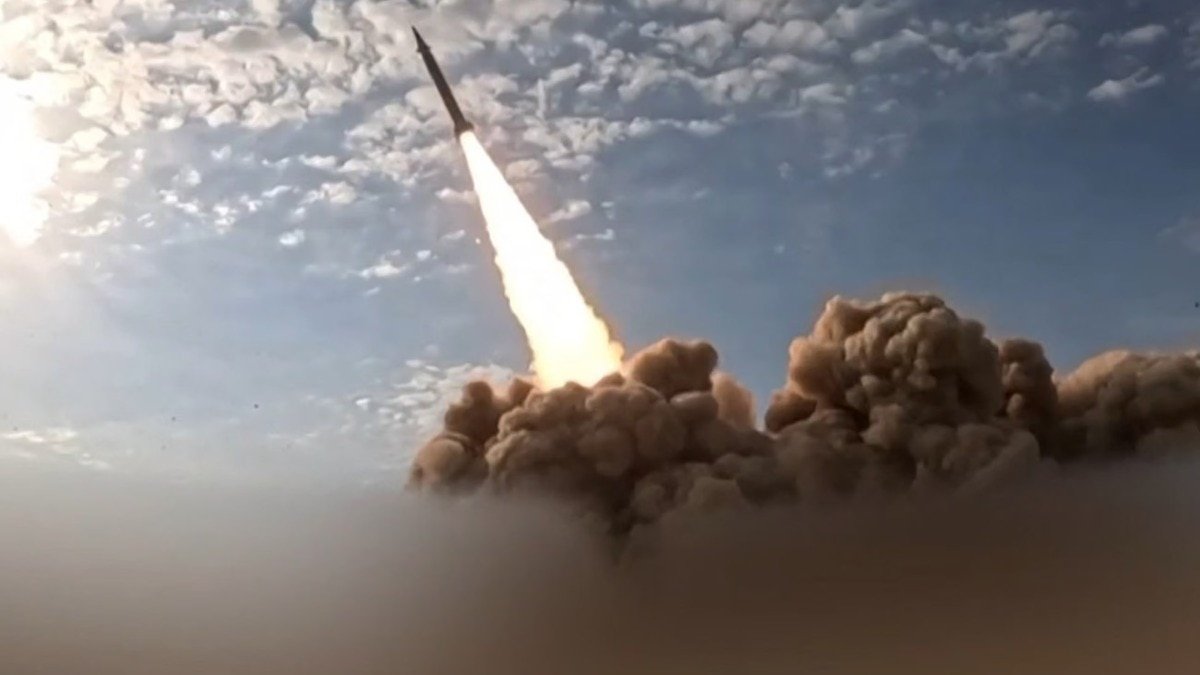
Iran has publicly acknowledged the support of four nations—India, Pakistan, Spain, and Germany—during its 83rd retaliatory missile operation targeting the United States and Israel. The announcement highlights Tehran’s growing regional messaging amid ongoing military tensions. According to Daljoog News analysis, the recognition of these countries signals both diplomatic gratitude and a broader strategy to reinforce international alliances that are perceived as sympathetic or neutral in the conflict. The disclosure comes amid continued Iranian missile activity, which has focused on multiple strategic sites in Israel, the United States, and allied bases in the Gulf region, showing Tehran’s sustained operational capability. What…