

Author: Andrew Rogers

Andrew Rogers
Andrew Rogers is a seasoned journalist and news analyst specializing in global affairs, politics, and finance. With a passion for investigative reporting, he delivers accurate, insightful stories that inform and engage readers worldwide.

The U.S.-China trade war, which began in 2018, remains a key factor in shaping the global economic landscape in 2025. This prolonged conflict, characterized by tariffs, trade restrictions, and technology disputes, has had far-reaching consequences for both nations and the world economy. Despite multiple negotiation rounds and partial agreements, the core issues remain unresolved. The trade war officially started under the administration of President Donald Trump, who imposed tariffs on steel and aluminum imports, citing national security concerns. These measures quickly escalated into a series of tit-for-tat tariffs, with the United States targeting over $360 billion worth of Chinese goods…

The China-Pakistan Economic Corridor is one of the most ambitious infrastructure and development projects in South Asia today. It connects China’s western region, particularly Xinjiang, with Pakistan’s strategic Gwadar Port on the Arabian Sea. As a flagship part of China’s Belt and Road Initiative, the corridor aims to improve regional connectivity, boost economic growth, and strengthen strategic ties between the two countries. At its core, the China-Pakistan Economic Corridor involves massive investments in transport infrastructure, energy production, and industrial development. Roads, highways, and railways are being built or upgraded to create an efficient trade route spanning over 3,000 kilometers. The…
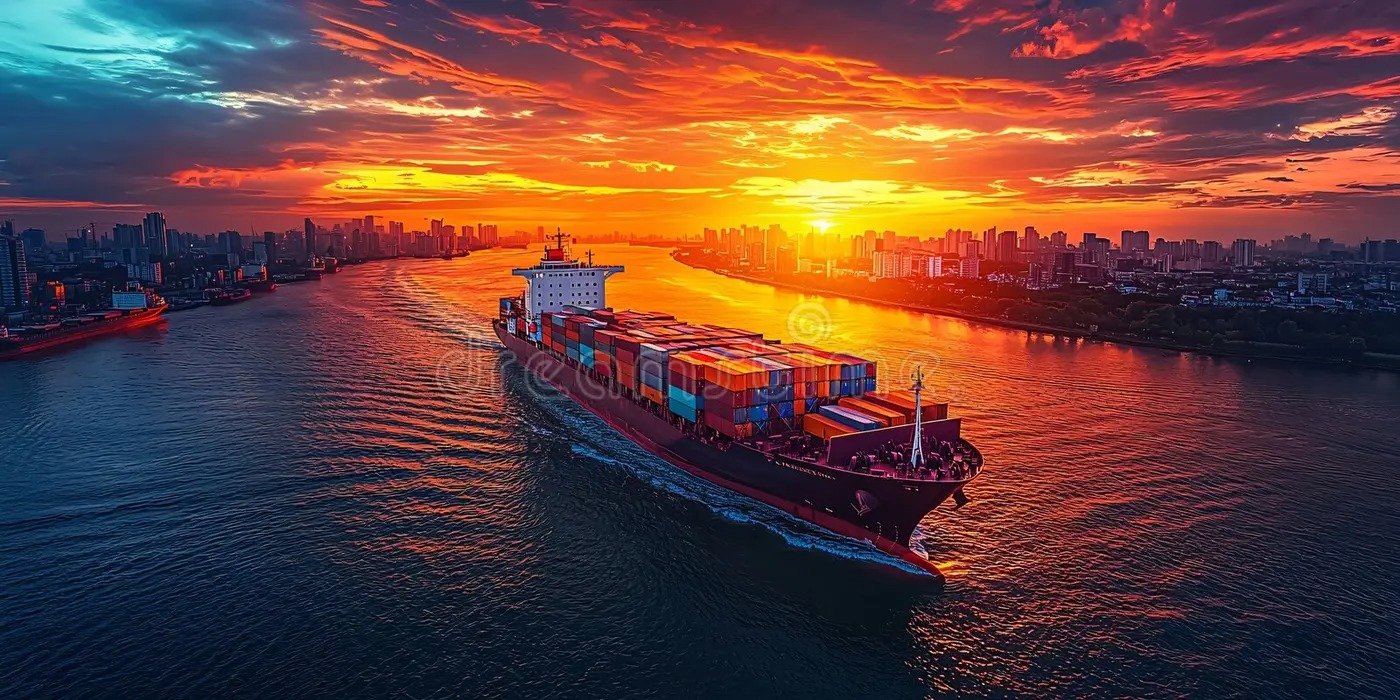
Global trade plays a central role in the global economy. It allows countries to buy and sell goods and services across international borders, creating new opportunities for businesses, governments, and consumers. This exchange connects markets, supports jobs, and helps nations grow economically. At the core of global trade are imports and exports. Imports are goods or services a country buys from abroad, while exports are those it sells to other countries. These transactions are driven by the idea of comparative advantage, which means countries focus on producing goods they can make efficiently and trade for what they cannot produce as…

Pakistan-occupied Kashmir (PoK) is one of the most sensitive and long-standing territorial disputes between India and Pakistan. The region is part of the former princely state of Jammu and Kashmir, which acceded to India in 1947. However, following the first India-Pakistan war, a portion of the territory came under Pakistan’s control and has remained disputed ever since. The term Pakistan-occupied Kashmir is used by India to refer to the areas of Jammu and Kashmir that are currently administered by Pakistan. This includes two key regions: Azad Jammu and Kashmir (AJK) and Gilgit-Baltistan. Azad Jammu and Kashmir has its own elected…

The Kurdistan Workers’ Party, one of the most well-known militant groups in the Middle East, has officially announced its disbandment. The announcement marks the end of a decades-long armed conflict between the PKK and the Turkish government that has shaped regional politics and caused significant humanitarian and security concerns since the 1980s. Formed in 1978 by Abdullah Öcalan and a group of Kurdish nationalists, the Kurdistan Workers’ Party originally emerged as a Marxist-Leninist group. The organization’s initial objective was to establish an independent Kurdish state in southeastern Turkey, where a large Kurdish population lives. Over time, the PKK evolved its…

The Lesotho Highlands Water Project is a major bi-national initiative between Lesotho and South Africa that plays a crucial role in providing water and electricity to both countries. This large infrastructure project was designed to capture and transfer water from the mountainous regions of Lesotho to the industrial heartland of South Africa, particularly the Gauteng province, which includes Johannesburg and Pretoria. The project also generates hydroelectric power for Lesotho, making it an important source of renewable energy. The project began in the late 1980s and has been carried out in multiple phases. It involves the construction of dams, tunnels, reservoirs,…

Islamic finance Murabaha is one of the most widely used financial instruments in Islamic banking today. It offers a Shariah-compliant way to finance goods and services without involving interest, making it suitable for Muslim-majority countries and businesses that follow Islamic principles. Unlike conventional loans, Murabaha avoids riba, which is the Arabic term for interest and is strictly forbidden under Islamic law. Murabaha works through a cost-plus-profit model. In this structure, the Islamic financial institution purchases a product or commodity on behalf of the client and then sells it to the client at a pre-agreed price that includes a profit margin.…

Syria and Lebanon might normalize ties with Israel before Saudi Arabia does. This is what Israeli Ambassador to the U.S., Michael Oren Likud’s envoy, said in an interview. He spoke to PragerU, a conservative U.S. media outlet. The Israeli daily The Jerusalem Post published the interview on Saturday, May 24. Ambassador Oren said Syria and Lebanon could soon join the Abraham Accords. These deals aim to normalize ties between Israel and Arab states. He believes these two countries could sign deals before Saudi Arabia does. “There is no reason now not to reach peace with Syria and Lebanon,” Oren said.…
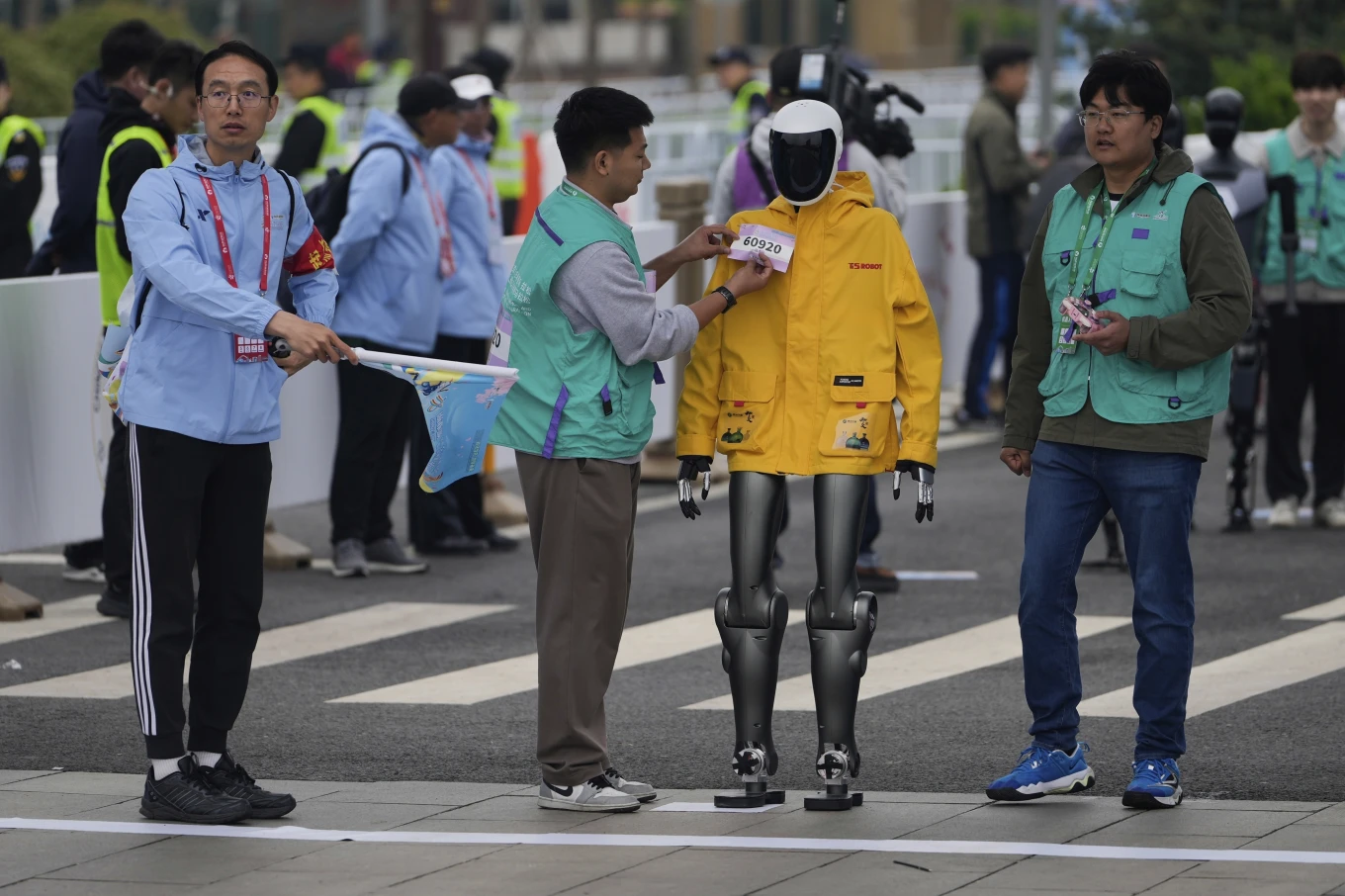
Beijing has made history by hosting the world’s first humanoid robots marathon, an event that pushed the limits of robotic technology in a real-world setting. Unlike traditional races designed only for human runners, this marathon featured specially designed humanoid robots running alongside humans over a challenging 21-kilometer course. This unique competition marked a major milestone for robotics and artificial intelligence, showcasing how far technology has advanced while highlighting the obstacles that remain before humanoid robots can become part of everyday life. The marathon took place in the Beijing Economic-Technological Development Area, a crucial hub for China’s growing technology sector. Organizers…

The Kenya Wildlife Service (KWS) is a government organization at the heart of wildlife conservation efforts in Kenya. Established in 1989 under the Wildlife (Conservation and Management) Act, KWS was created to protect, conserve, and manage Kenya’s vast range of animal and plant life. Today, it operates under the Ministry of Tourism and Wildlife and is recognized as one of Africa’s leading conservation agencies. KWS manages a wide range of protected areas across Kenya. These include 24 national parks, 15 national reserves, 6 marine parks and reserves, and 4 national sanctuaries. Some of the most famous parks under its management…