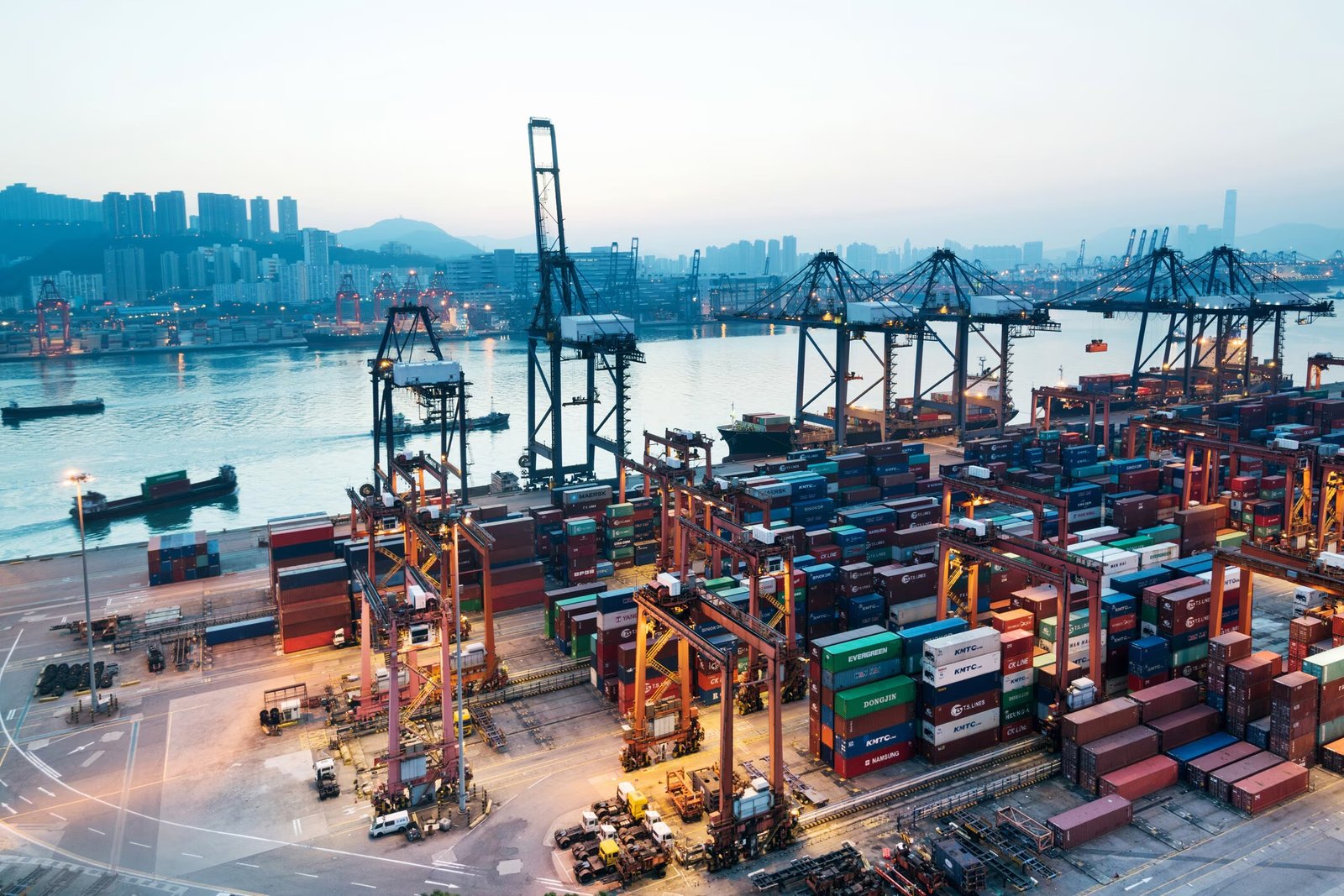


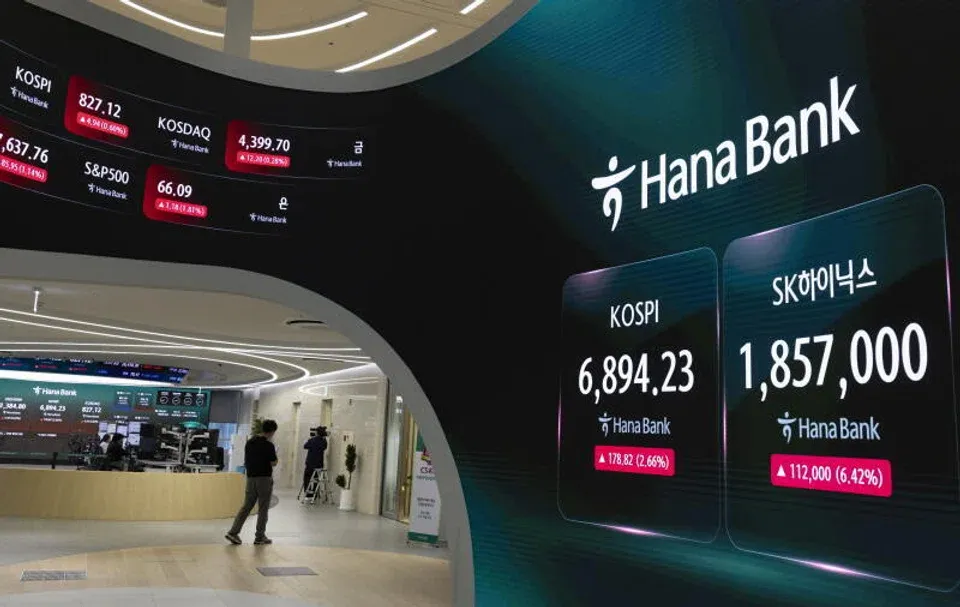
Asian financial markets showed generally positive movement this week, broadly tracking gains seen in American markets during the previous trading session, even as regional investors remained attentive to potential further developments in the ongoing Middle East tensions that have periodically introduced volatility into global markets throughout recent weeks. This regional market performance reflects the continued interconnection between major global financial markets, with positive sentiment in one region often translating into similar movements elsewhere as investors process shared sets of economic and geopolitical information.
Japanese markets, closed briefly last week for a national holiday, resumed trading with investors incorporating recent developments including the extended trade truce between the United States and China alongside ongoing uncertainty regarding the Middle East situation. This combination of factors created a generally mixed but overall constructive trading environment, with technology-focused shares showing particular strength given continued optimism about artificial intelligence-related demand that has supported technology valuations across multiple global markets throughout the current year.
Chinese markets have shown relatively measured responses to recent developments in the American-Chinese trade relationship, reflecting both genuine relief at the truce extension announced during this week’s Washington summit and continued underlying uncertainty about longer-term trade policy direction between the two countries. This measured market response suggests Chinese investors have generally interpreted recent developments as maintaining rather than fundamentally improving the baseline trade relationship, consistent with the broader characterization of this week’s summit outcomes as meaningful but incremental rather than transformative.
South Korean markets have navigated their own particular set of considerations this week, with the diplomatic tension between Seoul and Kyiv regarding North Korean prisoner of war transfers adding a distinct regional political dimension to broader market considerations. While this specific diplomatic dispute has not generated significant direct market impact, it illustrates the complex web of regional political relationships that South Korean investors must continually monitor alongside more conventional economic and market indicators.
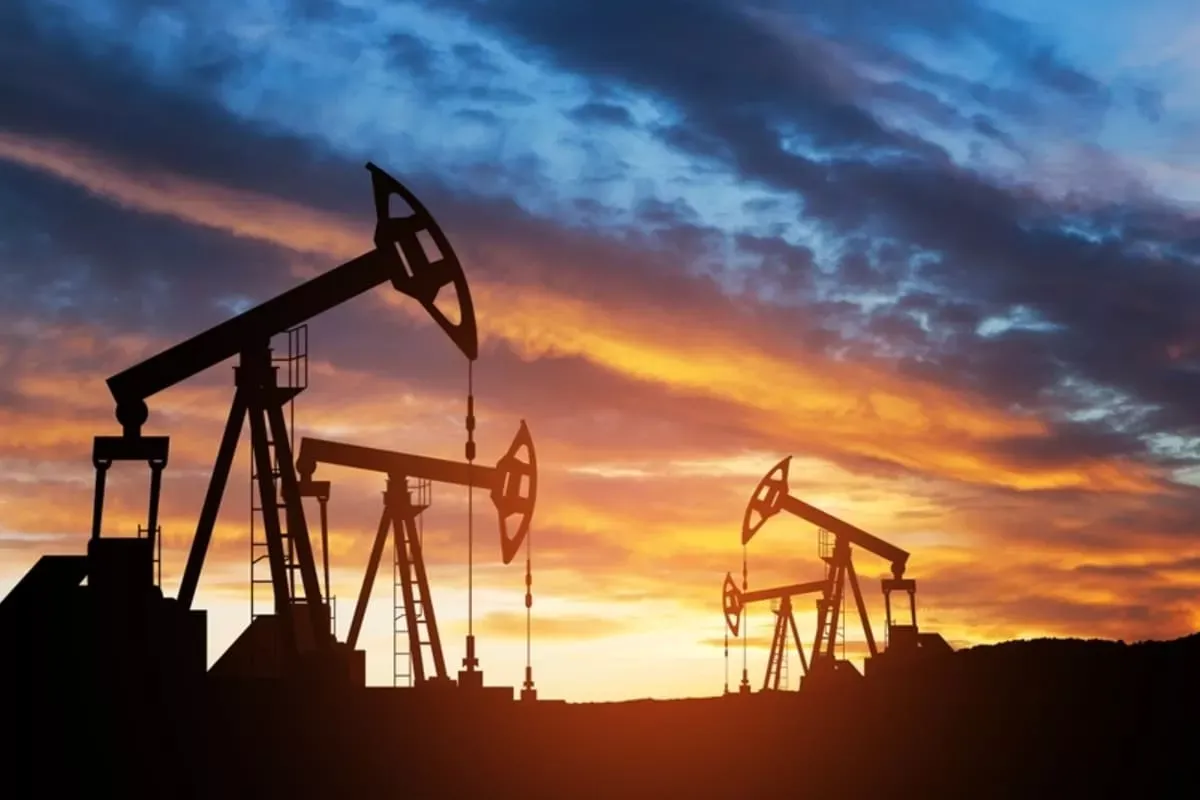
Energy-importing economies throughout the region have shown particular sensitivity to ongoing oil price volatility tied to the Middle East situation, given how directly elevated energy costs affect these economies’ overall cost structures and inflation dynamics. Recent oil price movements, including today’s advance following news of Trump’s rejection of Iran’s latest Hormuz proposal, continue creating meaningful ripple effects throughout Asian markets that depend heavily on imported energy to power their industrial and consumer economies.
Currency markets across the region have remained relatively stable this week, with major regional currencies showing limited movement despite the various significant developments occurring simultaneously across trade negotiations, Middle East diplomacy, and regional political relationships. This currency stability suggests markets have generally found sufficient clarity within recent developments to avoid significant repricing of currency valuations, even as underlying uncertainty about several ongoing situations remains genuinely unresolved.
As the trading week continues, Asian markets will likely remain sensitive to further developments across multiple fronts, from any additional signals regarding American-Chinese trade relations to potential shifts in the Middle East situation that could further influence global energy prices. Regional investors appear to be navigating this complex environment with cautious optimism, drawing some confidence from recent positive developments while remaining alert to the genuine potential for renewed volatility should any of these ongoing situations take an unexpected turn in the coming days.