

Global oil prices have shown notable volatility this week, oscillating between periods of decline tied to diplomatic optimism and renewed increases reflecting persistent underlying uncertainty about the trajectory of tensions between the United States and Iran. Brent crude briefly dipped below one hundred dollars a barrel earlier this week before climbing back above one hundred one dollars, illustrating just how sensitive energy markets remain to any signals, however preliminary, about the potential direction of this closely watched diplomatic relationship.
The most significant recent development came when American officials revealed that a surprise three-hour meeting had taken place between American and Iranian officials on the sidelines of the United Nations General Assembly gathering in New York, even as the American president had simultaneously delivered a forceful public speech threatening to “annihilate” Iran if a deal could not be reached. Iranian state media subsequently indicated the meeting had actually been requested by the American side specifically to discuss conditions under which Iran might agree to fully reopen the Strait of Hormuz, a critical waterway that carries a substantial portion of the world’s seaborne oil trade.
This revelation about the meeting’s specific focus on Hormuz reopening conditions provided markets with their clearest signal yet regarding what a potential diplomatic resolution might actually involve. Reports from Japanese media outlets earlier this week had similarly suggested Iran might be willing to reopen the strategic waterway within a relatively short timeframe if the United States took corresponding steps toward de-escalation, a report that briefly pushed European stock markets higher and helped ease some of the persistent risk premium that has been built into oil prices throughout the extended period of regional instability.
Despite these tentative signs of diplomatic progress, oil prices have not settled into any clear sustained downward trend, reflecting the genuine uncertainty that continues to surround this complex and multifaceted conflict. Analysts note that previous moments of apparent diplomatic progress throughout this extended crisis have sometimes been followed by renewed escalation, making traders appropriately cautious about reading too much into any single positive signal without seeing more concrete and sustained follow-through from both parties involved in the ongoing negotiations.
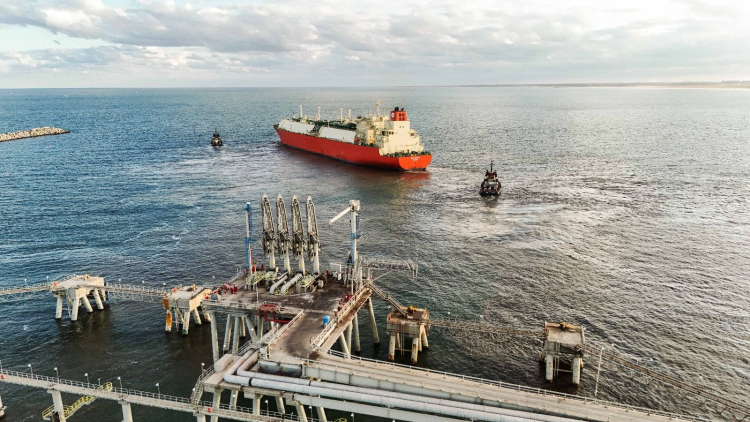
The broader economic stakes tied to Strait of Hormuz access remain substantial, given that the waterway has historically carried roughly a quarter of the world’s maritime crude oil trade along with a significant portion of global liquefied natural gas shipments. Any sustained disruption to normal shipping through this critical passage carries the potential to meaningfully affect global energy prices and, by extension, broader inflation dynamics across economies that depend heavily on stable and predictable energy import costs for their ongoing economic functioning.
Energy market analysts continue emphasizing that the situation remains fluid, with the true test of any diplomatic progress likely to come through observable changes in actual shipping patterns and vessel traffic through the strait itself, rather than through diplomatic statements alone. Until such concrete operational changes materialize and prove sustainable over an extended period, oil markets are likely to remain characterized by the kind of volatility seen throughout this week, reacting quickly to each new headline while maintaining underlying caution about the durability of any positive developments.
As today’s high-profile summit between American and Chinese leaders unfolds separately in Washington, energy traders remain primarily focused on developments related to the Iran situation, given its more direct and immediate relevance to global oil supply dynamics. Whether this week’s diplomatic contacts ultimately translate into meaningful de-escalation or prove to be another temporary lull within a longer pattern of ongoing tension will likely become clearer only in the days and weeks following this week’s flurry of diplomatic activity surrounding the broader United Nations gathering.