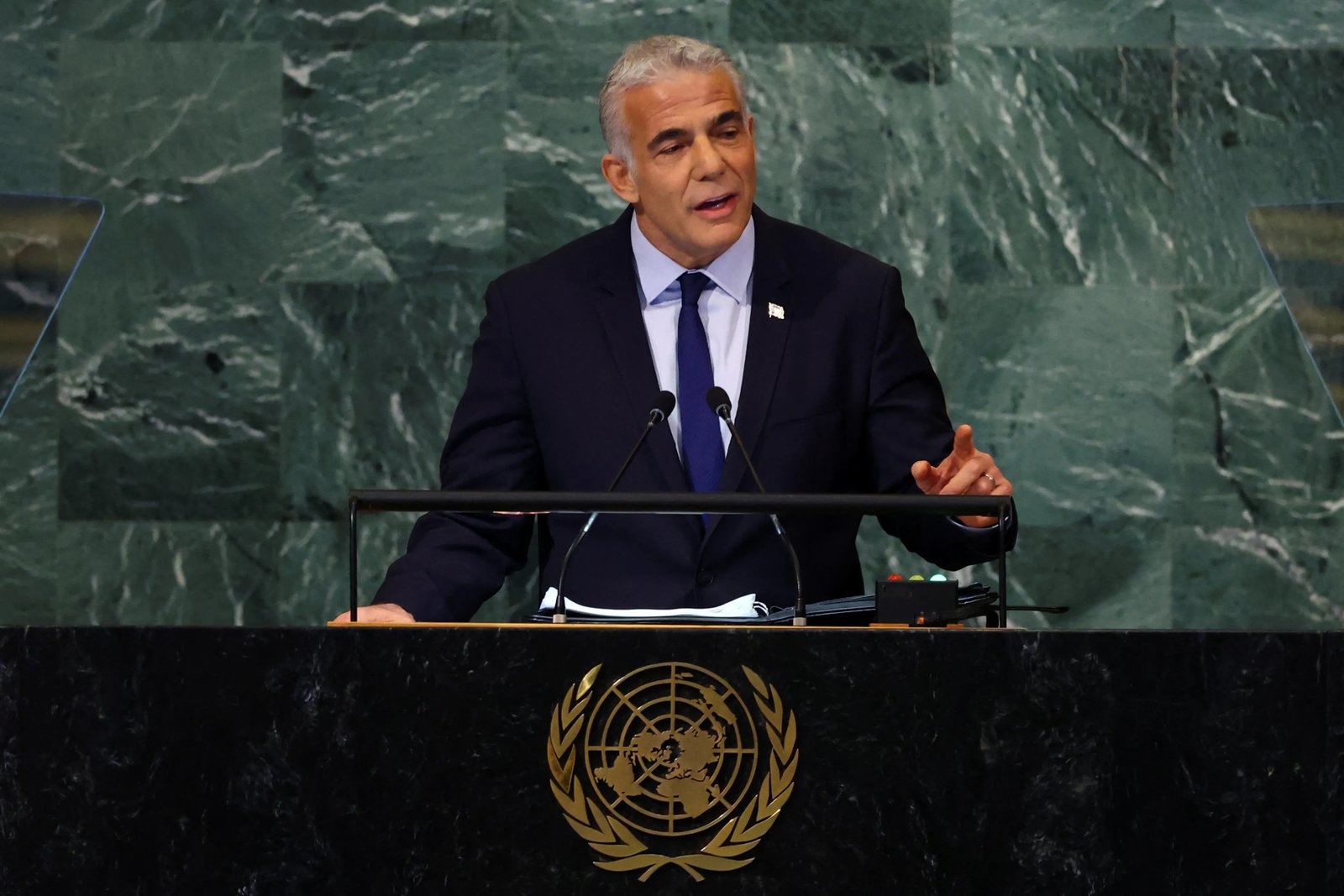


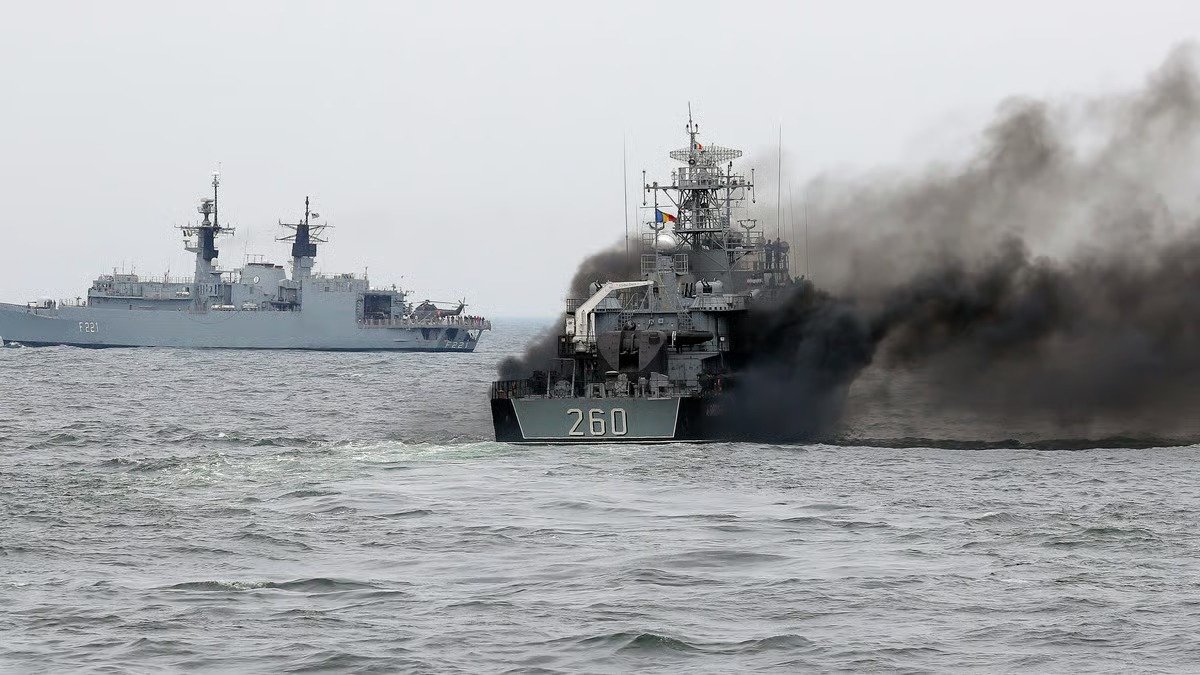
A coalition of fifty-one countries issued a joint statement this week expressing support for Ukraine’s push to establish safer conditions for maritime traffic through the Black Sea, a critical waterway that has faced significant disruption throughout the ongoing war between Russia and Ukraine. The statement, announced during the United Nations General Assembly’s high-level diplomatic week, reflects broad international concern about how the conflict has affected both regional shipping and, more significantly, global food security given Ukraine’s historically important role as a major grain exporter.
The European Union’s top diplomat delivered particularly pointed remarks in connection with the joint statement, characterizing Russia’s actions in the Black Sea as an attempt to choke off Ukrainian grain exports in ways that jeopardize food security on a global scale. This framing emphasizes that the practical consequences of the ongoing conflict extend well beyond the immediate combatants, affecting food prices and availability in countries around the world that depend on Ukrainian agricultural exports as part of their broader food supply chains.
Ukraine has historically ranked among the world’s most significant grain exporters, and disruptions to safe shipping routes through the Black Sea have created ripple effects throughout global agricultural markets since the conflict began years earlier. Previous arrangements aimed at maintaining safe passage for grain shipments have faced periodic collapse and renegotiation throughout the war, reflecting the persistent challenge of maintaining stable humanitarian and economic arrangements even amid active military conflict occurring in the same maritime region.
The specific initiative referenced in this week’s joint statement appears aimed at establishing more durable and reliable arrangements for safeguarding freedom of navigation through Black Sea shipping lanes, building on previous but often fragile efforts to maintain some level of protected maritime commerce despite the ongoing conflict occurring in the broader region. Diplomatic officials involved in crafting the statement emphasized the importance of finding sustainable solutions rather than temporary arrangements that have repeatedly broken down throughout the extended duration of the conflict.
This diplomatic push comes as part of a broader pattern of international engagement with various aspects of the Ukraine conflict during this particularly active week of United Nations activity. Alongside this Black Sea initiative, numerous other bilateral and multilateral discussions have taken place throughout the week addressing different facets of the ongoing war, from potential energy infrastructure ceasefires to continued questions about the appropriate scope and duration of economic sanctions against Russia.
The breadth of international support reflected in this fifty-one-nation coalition illustrates the genuinely global nature of concern regarding how this conflict has affected international food security and maritime commerce, extending well beyond the immediate European allies most directly engaged in supporting Ukraine’s broader defense against Russian aggression. Countries from various regions around the world, many with limited direct strategic interest in the conflict’s military dimensions, have nonetheless recognized the significant economic stakes tied to stable global food supply chains that depend partly on secure Ukrainian grain exports.
As this diplomatic initiative moves forward following this week’s joint statement, attention will likely focus on whether concrete implementation steps follow the expression of broad international support. Previous similar initiatives throughout the conflict have sometimes struggled to translate diplomatic statements into durable operational arrangements capable of withstanding the practical challenges of maintaining safe shipping routes through an active conflict zone, making the coming weeks and months an important test of whether this latest coalition can achieve more lasting success than previous efforts.