


Britain has approved the long-delayed Jackdaw gas field in the North Sea as the government seeks to strengthen domestic energy supplies and ease pressure from high prices. The decision was announced on Wednesday, October 21, after years of legal and political disputes. Energy Minister Miatta Fahnbulleh said the project was expected to begin supplying gas to British homes and businesses by the end of the month. The government said the development could help the country make better use of its existing energy resources.
The Jackdaw field is expected to raise Britain’s domestic gas production by about 6% at its peak. The project could operate for up to 11 years, according to the government. It is run by Adura, a joint venture between Shell and Equinor. The field is intended mainly to serve the British market. Officials argue that more domestic gas could help reduce some of the risks linked to buying fuel from overseas, especially at a time when conflict has disrupted energy trade.
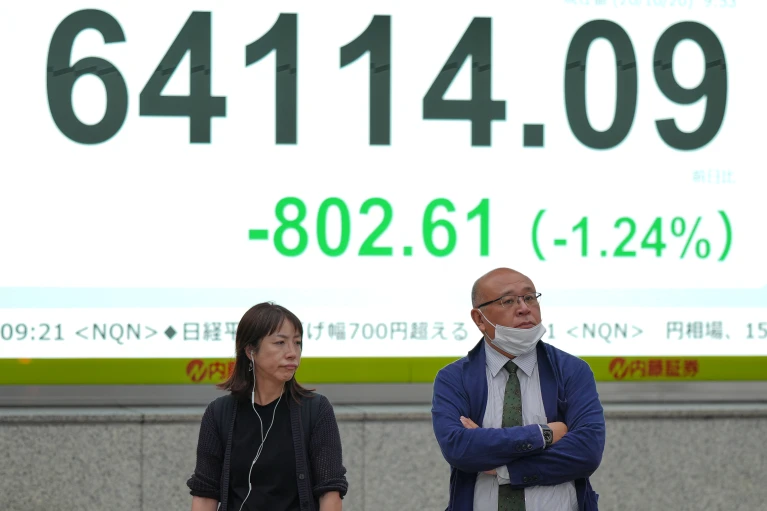
The approval comes as energy prices remain high because of the war involving Iran and the wider risks to oil and gas shipments. Higher fuel costs have affected households, factories, transport firms, and other businesses. When companies pay more for energy, they may raise prices or reduce spending in other areas. Families can also face higher bills for heating and power. The government has come under pressure to find ways to reduce these costs without abandoning its longer-term climate commitments.
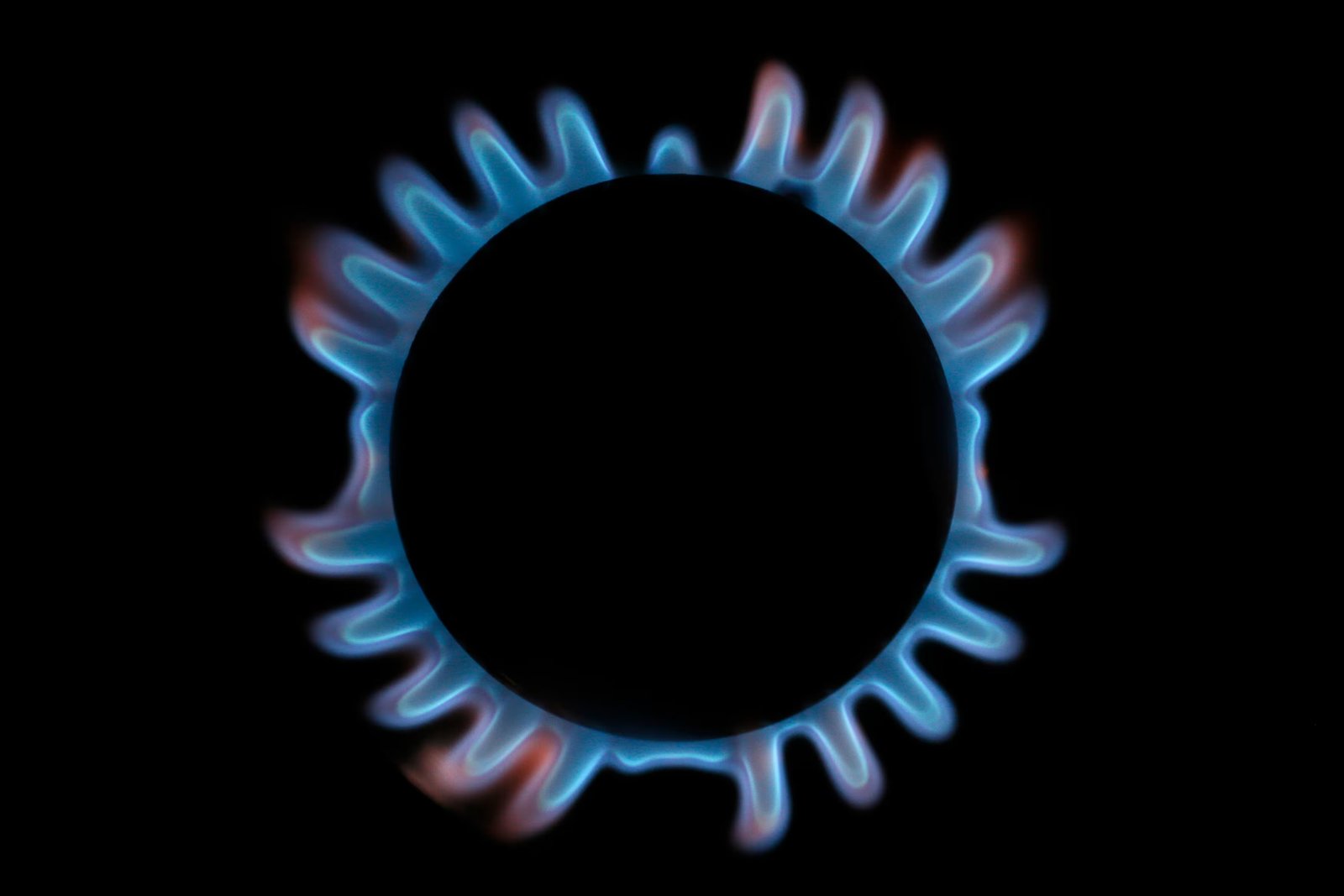
Prime Minister Andy Burnham said it was right to use existing energy reserves responsibly when people and businesses were struggling. The government has argued that domestic production can support energy security during a period of global instability. Gas is used to heat homes, generate electricity, and support industrial processes. A more reliable supply can help reduce the risk of shortages. However, the impact on prices will depend on how much gas the field produces, the cost of bringing it to market, and conditions in the wider energy system.
The decision has drawn criticism from environmental campaigners. The Green Party called the approval an act of climate vandalism, arguing that new fossil fuel projects could make it harder to cut emissions. Burning natural gas releases carbon dioxide, a greenhouse gas that contributes to climate change. Environmental groups say the government should focus more on clean power, energy storage, and reducing waste. They argue that new oil and gas developments risk locking the country into fossil fuel use for longer than necessary.
The government has tried to balance these concerns with plans to support a cleaner energy system. It has introduced a £2 billion Energy Wealth Fund intended to help the transition to lower-carbon energy. Officials say the country can make use of existing resources while continuing to work toward its climate targets. Britain has pledged to reach net zero emissions by 2050. The challenge is deciding how quickly to reduce fossil fuel use while keeping energy affordable and reliable for homes and businesses.
The Jackdaw project has faced legal and political hurdles for years. North Sea oil and gas development has become a major point of debate, with supporters arguing that domestic production can protect jobs and improve energy security. Critics say new fields may not provide a lasting answer to high bills because gas prices are shaped by international markets. Even if Britain produces more gas at home, prices can still rise when global supply is tight. The effect on household bills is therefore not guaranteed.
The government is also reviewing the future of the Rosebank oilfield, another project that has attracted strong debate over energy needs and climate policy. The decision on Jackdaw may influence how ministers assess other North Sea developments. Energy companies will watch whether the approval leads to more investment or remains a limited exception. They will also consider the cost of production, future demand, and the risk that climate rules could change.
For businesses, the approval may offer some hope of a more stable domestic gas supply. Yet the wider energy challenge remains complex. Britain needs to keep homes warm, support industry, and avoid sudden price shocks while cutting emissions over time. More domestic gas may help in the short term, but it cannot remove the country’s exposure to global energy markets. The long-term result will depend on how the government combines production, clean power, energy efficiency, and support for consumers. The Jackdaw decision is one step in that wider debate, not a complete solution to Britain’s energy problems.