


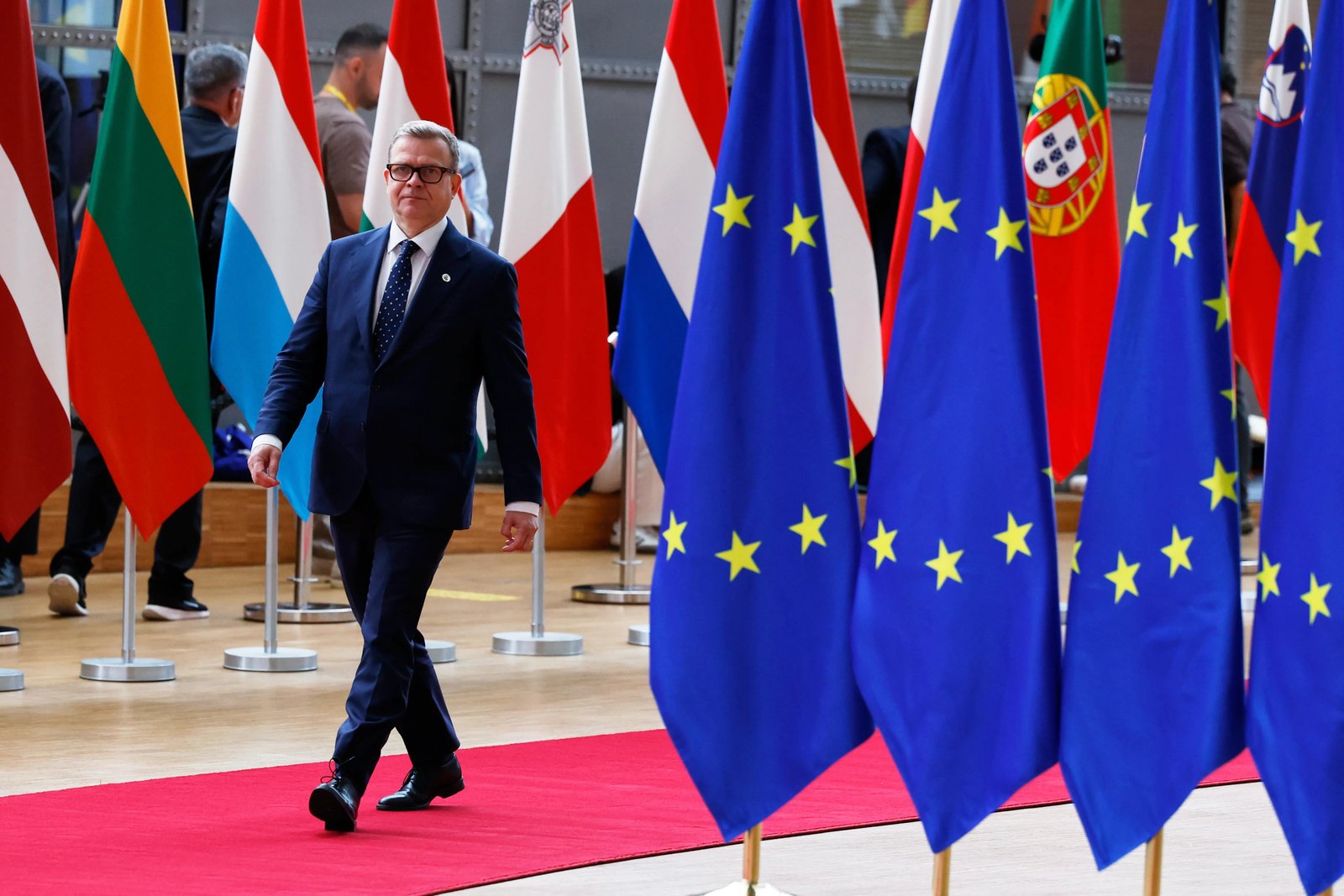
European Union leaders are discussing ways to address high energy prices as governments face pressure from households and businesses. The issue is a major part of the summit in Brussels, where leaders are also considering trade with China and the bloc’s next long-term budget. Energy costs have become a serious concern because they affect household bills, factory output and the wider competitiveness of European businesses.
High energy prices can increase the cost of making goods, moving products and providing services. Manufacturers may find it harder to compete with companies operating in countries where energy is cheaper. Families can also face difficult choices when heating, electricity and transport take up a larger share of their income. These pressures can create political problems for governments, particularly when voters feel that living costs are rising faster than wages.
EU leaders disagree about the best way to respond. Some countries want changes to rules that affect the cost of carbon emissions, arguing that industry needs short-term relief. Others warn that weakening climate measures could reduce investment in cleaner energy and make Europe more dependent on imported fuels. The European Commission is considering additional steps, including possible delays to certain rules and measures intended to ease immediate pressure.
The debate reflects a difficult challenge for Europe. Governments want affordable energy today, but they also need reliable supplies and long-term investment in cleaner systems. Decisions made at the summit could affect industrial policy, climate targets and household costs. Leaders will need to find common ground while recognising that member states have different energy needs and economic conditions. The outcome may influence how Europe responds to future energy shocks and how quickly it can reduce dependence on imported fuels.