

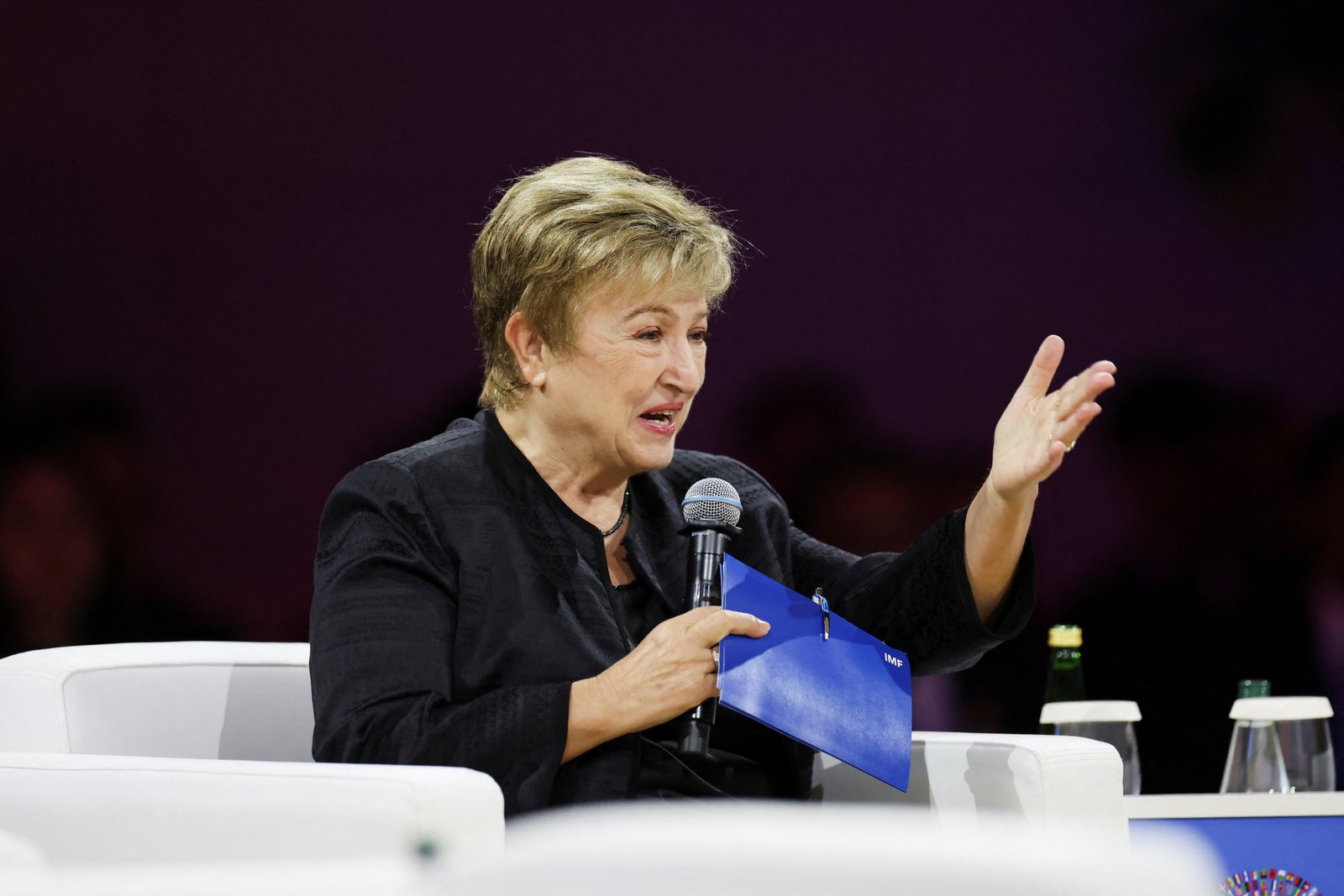
The International Monetary Fund says strong investment in artificial intelligence is helping keep global economic growth near three percent. IMF Managing Director Kristalina Georgieva said the spending on AI infrastructure was providing a boost to several economies, including countries that supply the chips and other equipment needed to build advanced systems. Her comments came during the IMF and World Bank annual meetings in Bangkok.
The AI boom has created demand for advanced semiconductors, computing equipment and data centres. Countries that manufacture these products may gain from increased exports and new investment. The benefits can extend to other businesses that provide energy, transport, construction and technical services. However, the size of the gains will vary between countries, depending on their industries, skills and ability to attract investment.
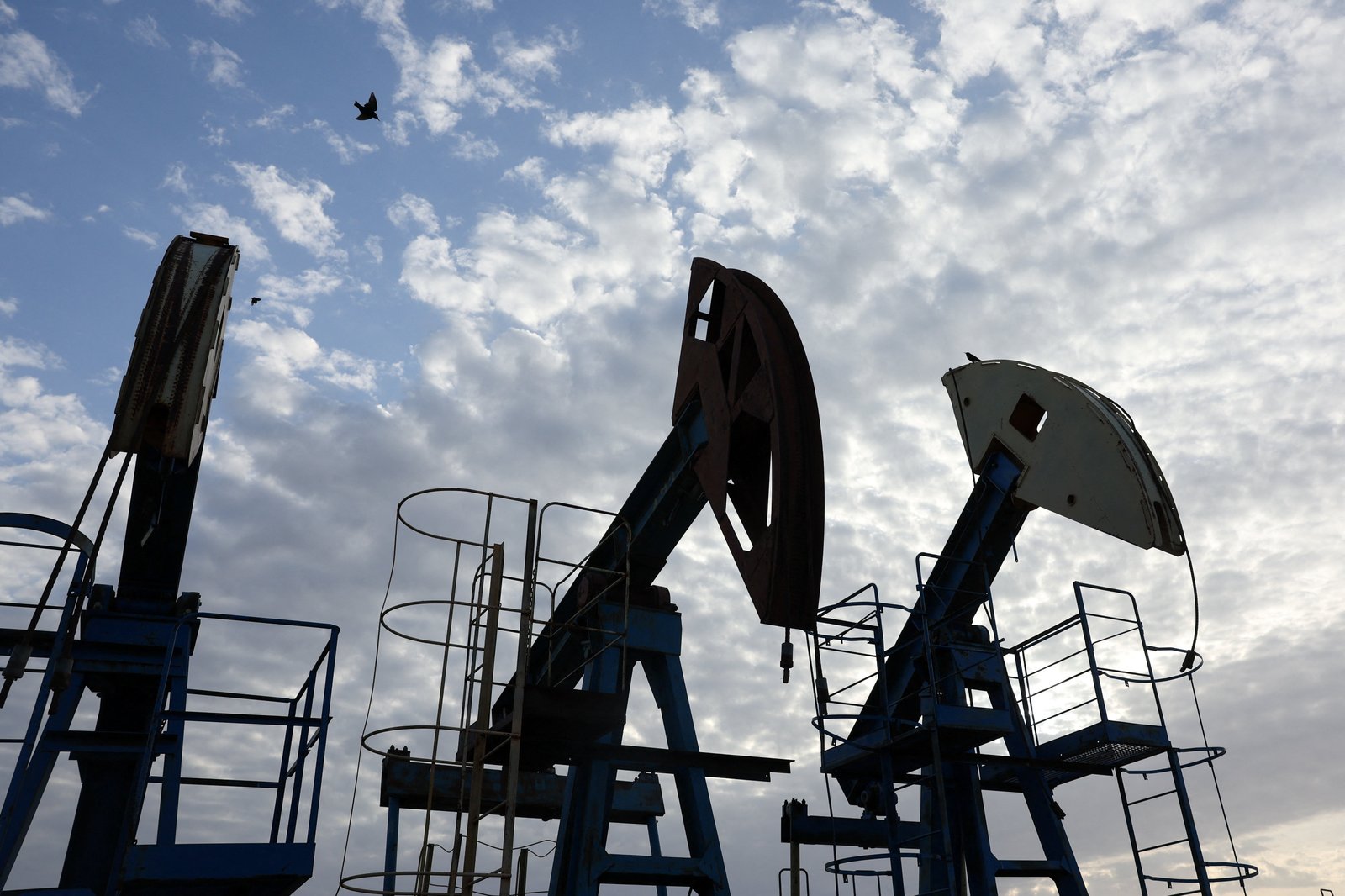
Georgieva also warned that the global economy continues to face pressure from energy supply problems. Higher energy costs can affect households and businesses, increase transport expenses and push up the prices of goods. These pressures can weaken purchasing power even when other parts of the economy are growing. The challenge for governments is to support economic activity while helping people manage the cost of living.
The IMF’s assessment highlights a mixed picture for the world economy. Investment in AI may support growth, but it does not remove the risks linked to conflict, energy prices or public debt. Countries also need to consider whether the gains from new technology will be shared widely. As finance ministers and central bank leaders meet, discussions are likely to focus on protecting stability while encouraging investment that can create lasting economic benefits.