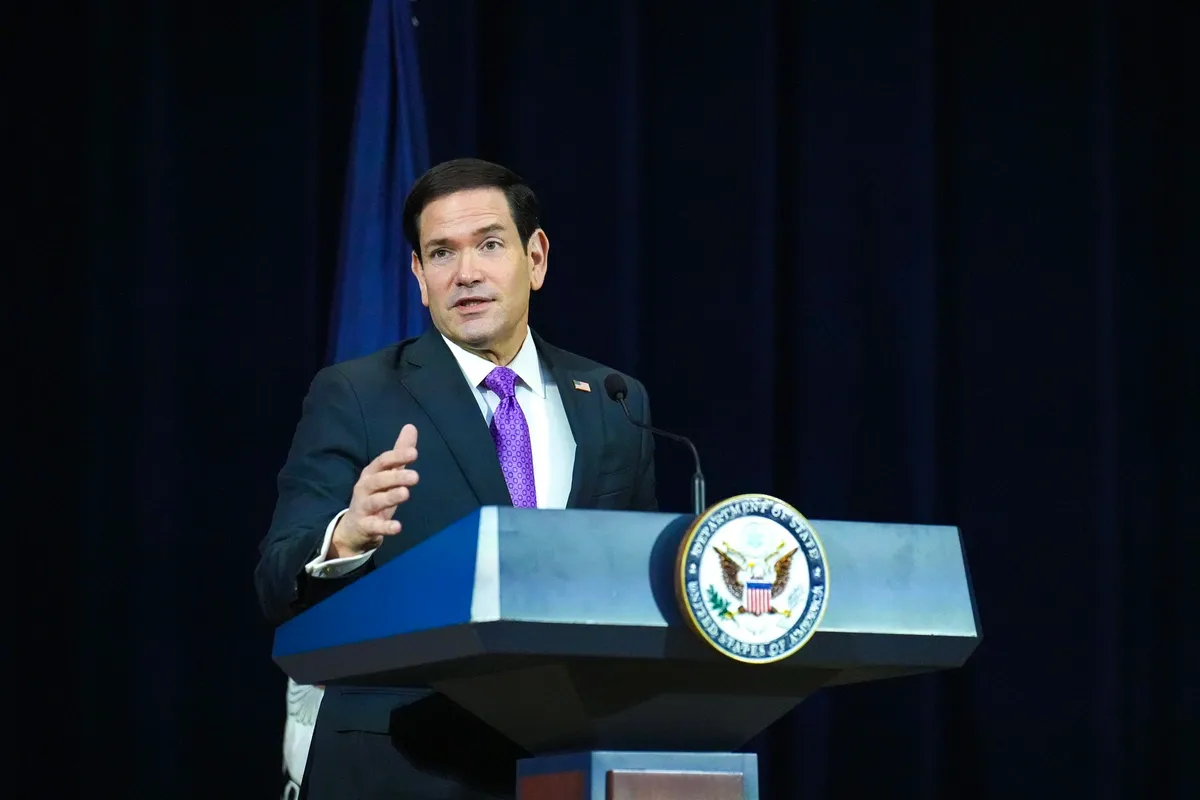



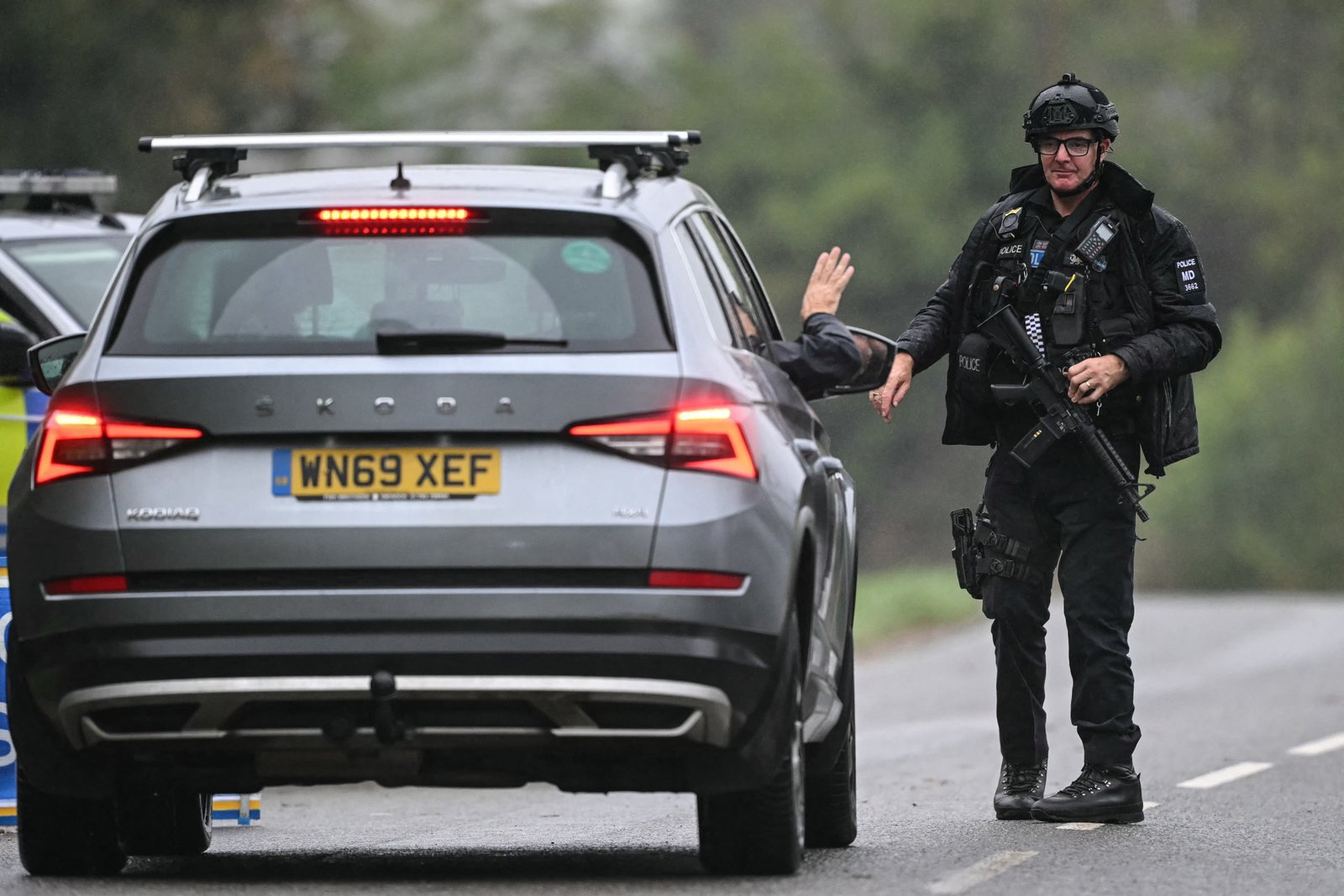
British and American officials continue investigating a possible connection to Iran in connection with an alleged terrorism plot targeting a Royal Air Force base used by American long-range bombers, adding a significant diplomatic dimension to what began as a domestic counterterrorism investigation. Secretary of State Marco Rubio confirmed this week that a foreign actor was believed to be involved in the plot, though he indicated he needed to exercise caution regarding how much detail he could publicly share about the specific evidence supporting this assessment at this stage of the ongoing investigation.
The base in question, RAF Fairford, has long served as a critical staging point for American long-range bomber operations across Europe and the broader Middle East, including missions connected to the ongoing conflict involving Iran. This strategic significance has led investigators and outside analysts alike to consider whether the alleged plot might represent an attempt by Iran or Iran-affiliated actors to strike at American military capabilities being used in the ongoing regional conflict, though officials have emphasized that the investigation remains ongoing and no formal determination of responsibility has yet been announced.
Five British nationals, all men between the ages of twenty-three and twenty-five, were initially arrested in connection with the alleged plot after a tip from a local farmer led authorities to vehicles found near the base containing what officials described as a significant quantity of petrol, though no improvised explosive devices were ultimately discovered during subsequent searches. All five suspects were subsequently released on bail following extensive interviews, subject to strict conditions limiting their movement and contact with others while the broader investigation continues.
This diplomatic dimension of the case has prompted careful coordination between British and American officials, given the direct implications for a facility central to ongoing American military operations connected to the broader regional conflict with Iran. Officials from both countries have emphasized the importance of allowing the investigation to proceed thoroughly before drawing firm conclusions, even while acknowledging the serious potential implications should the Iran connection ultimately be confirmed through continued investigative work.
Iran has not issued extensive public comment specifically addressing these allegations, though the country has consistently denied involvement in various attributed attacks and plots throughout the broader ongoing conflict, maintaining that Western nations frequently make unsubstantiated accusations against Tehran without providing adequate supporting evidence. This pattern of denial, regardless of the specific incident in question, has characterized much of Iran’s public response to various security incidents attributed to Iranian involvement throughout the extended period of regional tension.
British counterterrorism officials have defended their handling of the case, including the decision to release the initial suspects on bail rather than continuing to hold them, characterizing this as an appropriate investigative decision grounded in established policing experience and careful consideration of available legal powers. This defense came partly in response to criticism from a local resident who suggested authorities had allowed the suspects to get too close to the sensitive military facility before intervention occurred.
As this investigation continues developing, both the immediate domestic counterterrorism dimension and the broader diplomatic implications tied to a possible Iran connection remain subjects of close attention from officials and analysts alike. Whether the investigation ultimately confirms Iranian involvement, implicates some other foreign actor, or reveals a more domestically-driven plot without significant foreign direction, this case has already illustrated how domestic security incidents can quickly take on significant diplomatic dimensions when they intersect with broader ongoing international conflicts and tensions.