


Close Menu
Daljoog News
    What's Hot
    NATO rejects Trump plan on Hormuz Strait escalation crisis

    NATO rejects Trump plan on Hormuz Strait escalation crisis

    April 15, 2026
    Marie-Louise Eta makes Bundesliga coaching history

    Marie-Louise Eta makes Bundesliga coaching history

    April 15, 2026
    Gaza Israeli strikes condemned by UN experts panel report

    Gaza Israeli strikes condemned by UN experts panel report

    April 15, 2026
    Facebook X (Twitter) Instagram
    Wednesday, April 15
    Daljoog News
    Facebook X (Twitter) YouTube Instagram
    • Home
    • General
    • World
    • Business
    • Technology
    • Politics
    • Finance
    • Health
    • Lifestyle
    • Sports
    • Travel
    Daljoog News
    Home»Economy»Iran US Conflict Drives US Costs Higher for Households
    Economy

    Iran US Conflict Drives US Costs Higher for Households

    Andrew RogersBy Andrew RogersApril 15, 2026No Comments4 Mins Read
    Facebook Twitter Pinterest LinkedIn Tumblr Email
    Follow Us
    Google News
    Iran US Conflict Drives US Costs Higher for Households
    Iran US Conflict Drives US Costs Higher for Households
    Share
    Facebook Twitter LinkedIn Pinterest Email

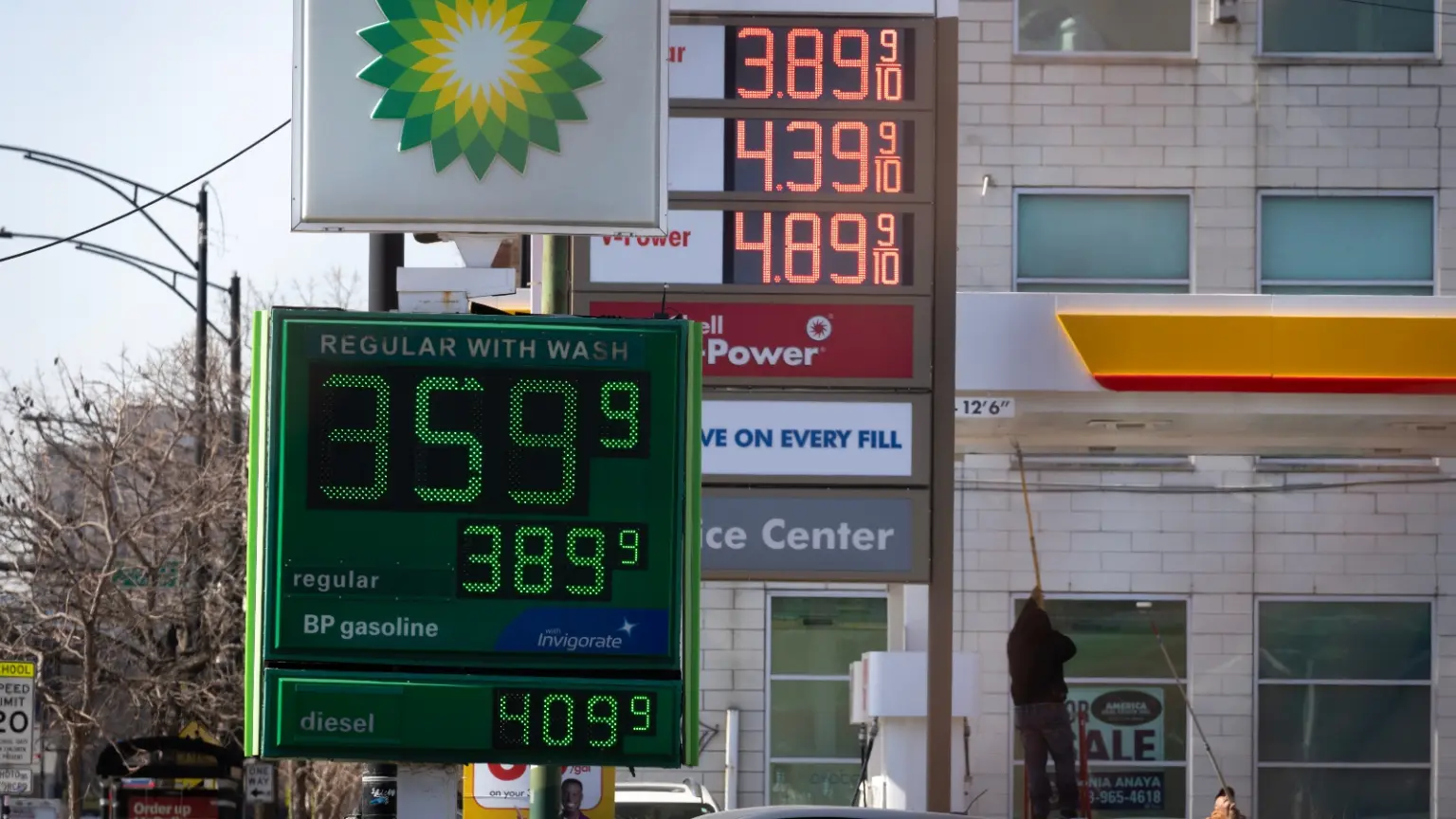
    Iran US conflict is driving a sharp rise in living costs across the United States, even as a temporary ceasefire brings limited relief to global markets. Fuel prices remain high, and everyday expenses continue to climb for American households.

    According to Daljoog News analysis, the economic shock from the Iran US conflict is now deeply embedded in supply chains and consumer markets, making it difficult for prices to stabilize quickly.

    The timing is critical, as the conflict’s ripple effects are hitting consumers already dealing with inflation pressures, turning a geopolitical crisis into a direct financial strain on daily life.

    What Happened?

    The Iran US conflict, which lasted for six weeks before a ceasefire was announced, disrupted global energy markets and triggered a surge in fuel prices. Despite the pause in hostilities, uncertainty continues to weigh heavily on economic conditions.

    Across the United States, the impact is visible in local markets. In community spaces such as farmers markets, both vendors and shoppers report a clear shift in spending behavior.

    Many households say that incomes have not kept pace with rising costs. What was once considered a comfortable annual income is now struggling to cover basic expenses. Families that previously managed their budgets with ease are now facing difficult choices.

    Vendors are also under pressure. Higher operating costs, especially linked to fuel and transportation, are forcing them to raise prices. This, in turn, is reducing customer demand, creating a cycle that affects both sides of the market.

    Some small businesses have already closed, while others are operating at reduced capacity. Reports of farmers facing financial distress highlight how deeply the Iran US conflict is affecting the broader economy.

    Why This Matters

    The Iran US conflict has exposed how quickly geopolitical tensions can translate into domestic economic hardship. Energy markets are highly sensitive, and disruptions can spread rapidly across industries.

    Rising fuel prices increase transportation and production costs, which then push up the price of goods. This chain reaction is now visible in grocery bills, utility costs, and everyday spending across the country.

    For many Americans, the issue is not just higher prices but the gap between income and expenses. Wage growth has not kept pace with inflation, leaving households with less financial flexibility.

    The situation also raises concerns about long-term economic stability. If energy prices remain elevated, the pressure on businesses and consumers could persist, slowing economic recovery.

    What Analysts or Officials Are Saying

    Economic analysts suggest that the effects of the Iran US conflict will not disappear quickly, even with a ceasefire in place. Market uncertainty continues to influence pricing, particularly in the energy sector.

    Experts point out that fuel prices tend to remain elevated after conflicts due to supply concerns and market speculation. This means consumers may continue to feel the impact for months.

    Some policymakers acknowledge the strain on households and small businesses, but responses remain limited as authorities monitor global developments.

    At the same time, there is a growing debate over whether the conflict could have been avoided through diplomatic efforts. Some voices argue that negotiations might have prevented the economic fallout now affecting millions.

    Daljoog News Analysis

    The Iran US conflict highlights a recurring pattern in global economics: distant conflicts often hit ordinary people the hardest. While political leaders focus on strategy and security, the immediate consequences are felt in rising prices and shrinking household budgets.

    This situation underscores the vulnerability of modern economies to energy shocks. The United States, despite its economic strength, is not insulated from global disruptions.

    The current strain on consumers may also carry political implications. Prolonged financial pressure could influence public opinion and shape future policy decisions, especially around foreign engagement and energy strategy.

    There is also a broader lesson in how quickly confidence can erode. Even a temporary ceasefire has not restored stability, suggesting that markets and consumers remain cautious about what comes next.

    What Happens Next

    The coming weeks will be critical in determining whether the Iran US conflict continues to affect global markets. Much will depend on whether the ceasefire holds and if diplomatic efforts gain momentum.

    Energy prices will remain a key indicator. If fuel costs stay high, the pressure on households and businesses is likely to continue.

    Policymakers may face increasing calls to intervene, either through economic measures or by pushing for stronger diplomatic solutions.

    For now, uncertainty remains the defining factor. While the conflict may have paused, its economic consequences are still unfolding in everyday American life.

    Share. Facebook Twitter Pinterest LinkedIn Tumblr Email
    Andrew Rogers
    Andrew Rogers
    • Website
    • Facebook

    Andrew Rogers is a seasoned journalist and news analyst specializing in global affairs, politics, and finance. With a passion for investigative reporting, he delivers accurate, insightful stories that inform and engage readers worldwide.

    Related Posts

    Istanbul Canal project Turkey pushes global trade shift

    Istanbul Canal project Turkey pushes global trade shift

    April 15, 2026
    Middle East conflict global economy impact worsens IMF warns

    Middle East conflict global economy impact worsens IMF warns

    April 14, 2026
    Iran’s Economic Strategy Challenges US Dollar Dominance

    Iran’s Economic Strategy Challenges US Dollar Dominance

    April 9, 2026

    Comments are closed.

    Our Picks
    Istanbul Canal project Turkey pushes global trade shift

    Istanbul Canal project Turkey pushes global trade shift

    April 15, 2026
    Middle East conflict global economy impact worsens IMF warns

    Middle East conflict global economy impact worsens IMF warns

    April 14, 2026
    Iran’s Economic Strategy Challenges US Dollar Dominance

    Iran’s Economic Strategy Challenges US Dollar Dominance

    April 9, 2026
    Iran Conflict Sparks Global Plastic and Fuel Crisis

    Iran Conflict Sparks Global Plastic and Fuel Crisis

    April 7, 2026
    Stay In Touch
    • Facebook
    • Twitter
    • Instagram
    • YouTube
    Don't Miss
    War looms over Iran; Trump is sending a second fleet!

    War looms over Iran; Trump is sending a second fleet!

    Security February 15, 2026

    The United States has announced the deployment of a second naval fleet toward the Middle…

    Hamas Gaza Disarmament Linked to Amnesty

    Hamas Gaza Disarmament Linked to Amnesty

    January 27, 2026
    Senior IRGC Leaders Reported Killed in Overnight Iran Strikes

    Senior IRGC Leaders Reported Killed in Overnight Iran Strikes

    March 9, 2026
    Trump Presses Zelensky on Land Concessions

    Trump Presses Zelensky on Land Concessions

    October 21, 2025
    About Us

    Daljoog News is a trusted news platform that brings you the latest global and local updates with accuracy and fairness. We are committed to clear and unbiased reporting, covering topics like politics, business, technology, science, and culture and more. Using the latest technology and expert journalism, we provide reliable coverage of important stories. Stay informed, inspired, and empowered with Daljoog News—your source for breaking news, the latest updates, and videos that matter.

    Email Us: info@daljoognews.com

    Our Picks
    California Threatens Paramount’s $110B Warner Deal

    California Threatens Paramount’s $110B Warner Deal

    February 28, 2026
    US Judge Dismisses Buffalo Wild Wings Lawsuit

    US Judge Dismisses Buffalo Wild Wings Lawsuit

    February 18, 2026
    Casey Wasserman to Sell Agency Amid Epstein File Fallout

    Casey Wasserman to Sell Agency Amid Epstein File Fallout

    February 15, 2026
    Latest News
    NATO rejects Trump plan on Hormuz Strait escalation crisis

    NATO rejects Trump plan on Hormuz Strait escalation crisis

    April 15, 2026
    Marie-Louise Eta makes Bundesliga coaching history

    Marie-Louise Eta makes Bundesliga coaching history

    April 15, 2026
    Gaza Israeli strikes condemned by UN experts panel report

    Gaza Israeli strikes condemned by UN experts panel report

    April 15, 2026
    Facebook X (Twitter) RSS YouTube Instagram
    • Home
    • About Us
    • Contact Us
    • Our Authors
    • Privacy Policy
    • Terms & Conditions
    • Sitemap
    © 2026 DaljoogNews.com

    Type above and press Enter to search. Press Esc to cancel.