



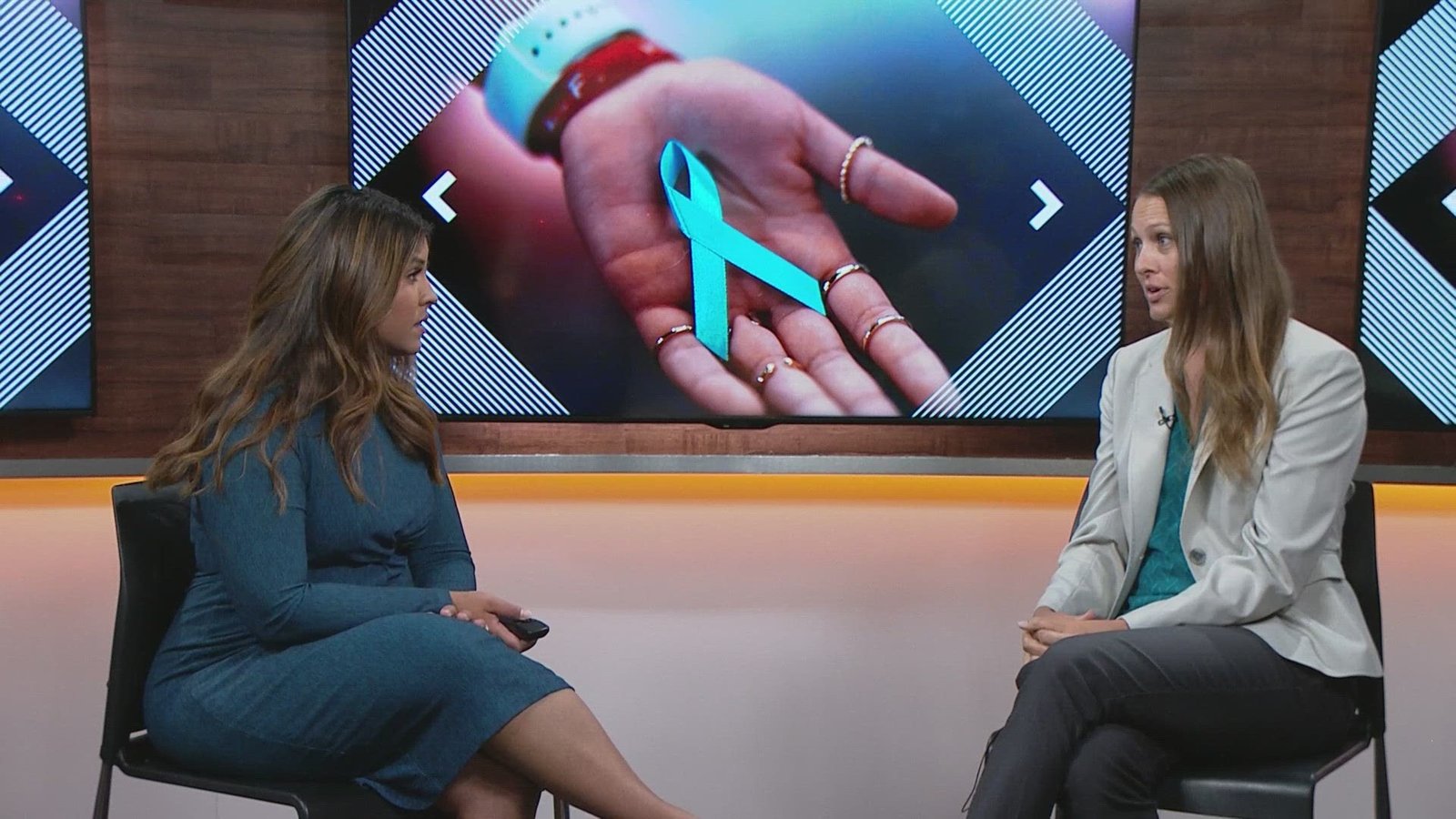
Today marks Teal Talk Day, an annual observance dedicated to raising awareness about ovarian cancer and encouraging open conversation about a disease that affects hundreds of thousands of women around the world each year. The color teal has become closely associated with ovarian cancer awareness efforts, similar to how other colors have come to represent awareness campaigns for different health conditions, and today’s observance specifically encourages people to wear teal and engage in conversations with friends and family about the disease, its symptoms, and the importance of early detection whenever possible.
Ovarian cancer remains one of the more challenging cancers to detect in its early stages, largely because early symptoms often overlap with common and less serious conditions, making it easy for both patients and healthcare providers to initially overlook potential warning signs. Common symptoms can include bloating, pelvic or abdominal pain, difficulty eating or feeling full quickly, and urinary symptoms such as increased urgency or frequency, all of which can easily be attributed to far more benign causes without more specific testing or investigation into their underlying source and potential connection to ovarian health concerns.
Health advocates emphasize that persistent symptoms lasting more than a few weeks, particularly when multiple symptoms occur together, warrant discussion with a healthcare provider, even though such symptoms will most often turn out to have causes unrelated to ovarian cancer. This distinction between appropriate awareness and unnecessary alarm represents a delicate balance that advocacy organizations work carefully to maintain, encouraging women to pay attention to their bodies and seek medical guidance for persistent concerns without creating undue anxiety about symptoms that are statistically far more likely to stem from more common and less serious health issues.
Global health statistics indicate that hundreds of thousands of women receive ovarian cancer diagnoses each year, with the disease representing one of the more serious gynecological cancers in terms of overall mortality rates, partly due to the challenges associated with early detection discussed above. Medical researchers continue working toward developing more effective screening methods that could help identify the disease at earlier, more treatable stages, though current medical consensus suggests that no single screening test has yet proven reliable enough for widespread population-level screening among women without other specific risk factors or symptoms warranting closer individual medical attention and monitoring.
Advocacy organizations use days like today to highlight ongoing research efforts aimed at improving both early detection methods and treatment options for women diagnosed with ovarian cancer at various stages of disease progression. These research efforts span multiple areas, including genetic testing to identify women with elevated inherited risk factors, development of new diagnostic tools that might catch the disease earlier than currently possible, and continued refinement of treatment protocols designed to improve outcomes and quality of life for women undergoing treatment for this challenging diagnosis.
Support networks for women affected by ovarian cancer, along with their families, play a significant role in the broader awareness ecosystem that days like today aim to strengthen and highlight. Many women diagnosed with the disease describe the value of connecting with others who have shared similar experiences, finding community and practical guidance through the challenges of treatment and recovery that can be difficult to fully convey to those without personal experience navigating a serious cancer diagnosis and its accompanying physical and emotional demands over an extended period of treatment and adjustment.
As today’s observance continues, advocacy groups encourage people to use the day not just for wearing teal or sharing awareness messages on social media, but for having genuine, informed conversations about ovarian cancer with the women in their own lives, including discussions about family health history that might indicate elevated genetic risk factors worth discussing with a healthcare provider. This kind of open, informed conversation, advocates argue, represents one of the most valuable outcomes of awareness days like this one, potentially prompting earlier medical consultations that could make a meaningful difference in individual health outcomes over time.