


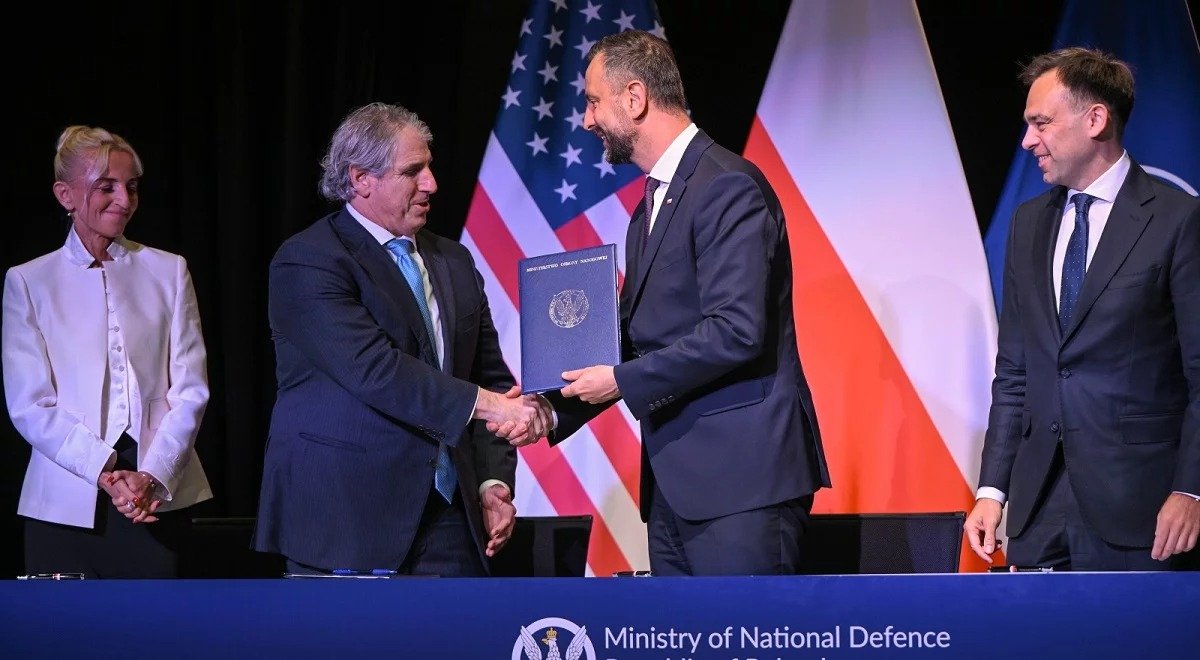
Senior American and Polish officials held meetings this week focused on strengthening the ongoing defense and security relationship between the two countries, part of continued diplomatic engagement addressing shared concerns about regional stability amid persistent tensions with Russia. The meetings, involving senior State Department officials meeting with a top Polish presidential chancellery representative, reflect the sustained priority both governments have placed on maintaining close security cooperation given Poland’s geographic position as a frontline NATO member state bordering the broader conflict zone.
Poland has emerged as one of the more consistently vocal advocates within NATO for maintaining strong collective defense postures against potential Russian aggression, reflecting the country’s historical experience and geographic proximity to ongoing regional tensions. This advocacy has translated into substantial Polish defense spending increases in recent years, positioning the country among NATO’s more significant per-capita defense investors as it works to build robust deterrent capabilities alongside its continued close security cooperation with the United States and other NATO allies.
The specific focus of this week’s discussions reportedly centered on international policy coordination, reflecting the broader pattern of allied consultation that has characterized much of the Western response to ongoing regional security challenges throughout recent years. This kind of regular high-level diplomatic engagement between American and Polish officials has become an established pattern, reflecting the genuine strategic importance both governments attach to maintaining close coordination on security matters affecting the broader region.
Poland’s role within the broader NATO alliance structure has grown increasingly significant in recent years, partly reflecting the country’s substantial defense investments but also its geographic position as a key logistics and coordination hub for allied support flowing toward Ukraine throughout the ongoing conflict with Russia. This strategic importance has elevated Poland’s standing within broader alliance discussions, giving Warsaw meaningful influence over how the alliance approaches various aspects of its collective response to regional security challenges.
American officials have consistently emphasized the importance of the bilateral relationship with Poland as a cornerstone of broader American engagement with Central and Eastern Europe, reflecting shared strategic interests in maintaining regional stability and deterring potential further Russian aggression beyond Ukraine’s borders. This shared strategic outlook has helped sustain close cooperation between the two governments even as broader American foreign policy priorities have shifted across different administrations and changing global circumstances.
The timing of this week’s meetings coincides with continued broader diplomatic activity addressing the ongoing war in Ukraine, including recent high-level contacts between American and Russian officials exploring potential paths toward eventual conflict resolution. Poland’s perspective on these broader diplomatic efforts carries particular weight given the country’s direct proximity to the conflict and its substantial role in supporting Ukraine throughout the extended war, making Polish input a valuable consideration for American officials navigating this complex diplomatic landscape.
As this week’s bilateral engagement continues, both governments appear committed to maintaining the close security cooperation that has characterized their relationship throughout recent years of heightened regional tension. Whether this particular round of consultations produces any specific new agreements or simply reinforces existing cooperation frameworks, the continued pattern of regular high-level engagement between American and Polish officials illustrates the sustained strategic importance both governments attach to this particular bilateral relationship within the broader context of European security.