



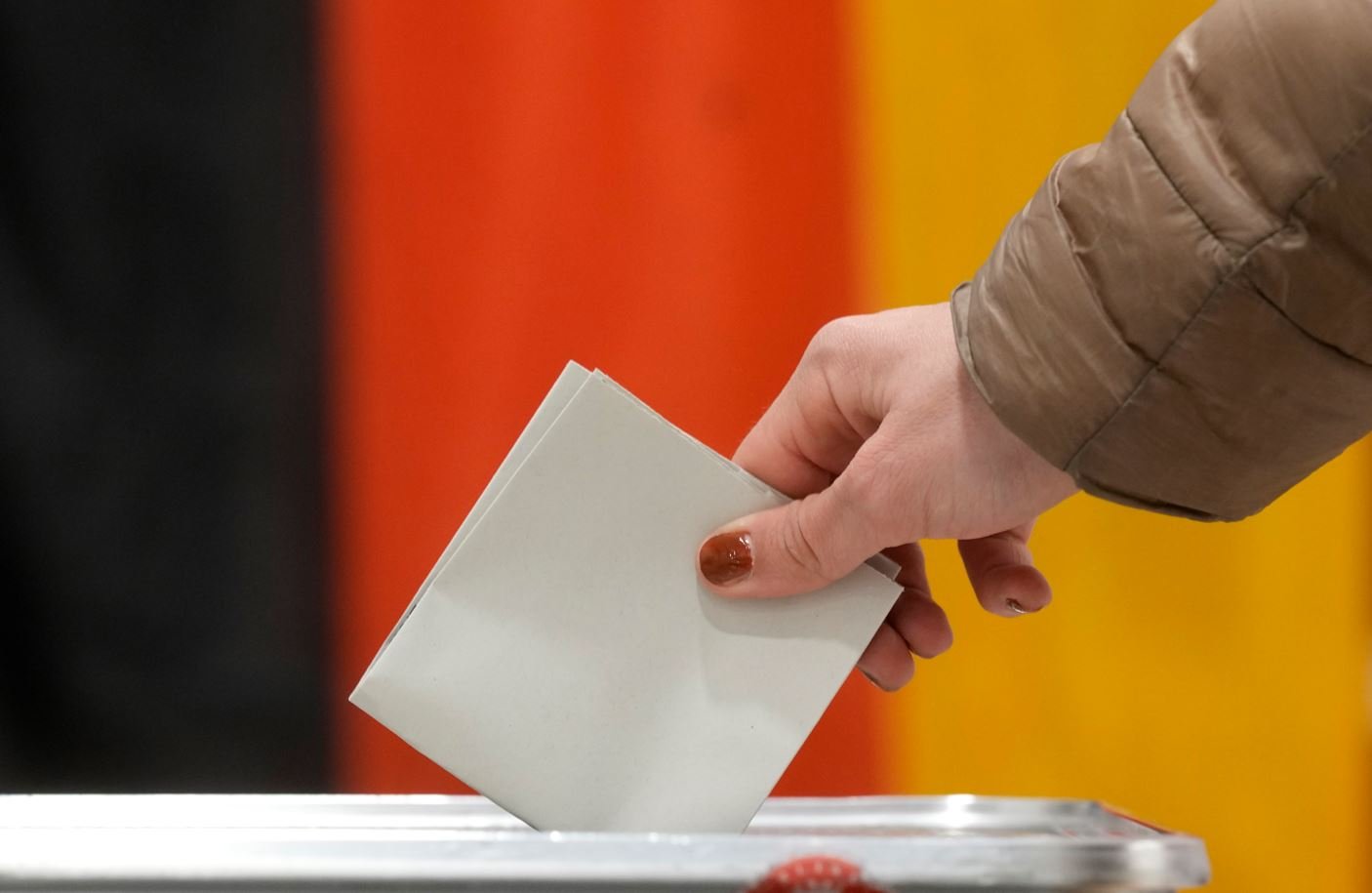
Germany’s eastern state of Saxony Anhalt heads to the polls this week, with the Saxony Anhalt election AfD gains narrative dominating coverage as the far right Alternative for Germany party hopes to build on recent momentum partly fueled by public fatigue over the ongoing war in Ukraine.
The election arrives at a particularly tense moment in German politics, coinciding with a diplomatic dispute between Berlin and Moscow over an alleged Russian backed drone attack on an airport in the eastern part of the country. That controversy has become intertwined with the campaign’s broader political dynamics.
The Alternative for Germany’s lead candidate for the state has campaigned heavily on themes of war weariness and skepticism toward continued German support for Ukraine, arguments that appear to be resonating with a segment of voters increasingly frustrated by the economic costs associated with the ongoing conflict.
Chancellor Friedrich Merz’s governing coalition has faced mounting criticism over its handling of both the war and broader economic challenges, including factory closures and rising living costs that opposition parties have used to argue the current government has failed to adequately protect German interests.
The far right party’s leader has directly criticized the chancellor’s approach, accusing him of prioritizing international politics over domestic concerns and suggesting his government has lost meaningful connection with everyday voters struggling with economic pressures across the country.
Allies of the chancellor have pushed back forcefully against these characterizations, with one prominent supporter accusing the far right party’s leadership of effectively serving Russian interests by amplifying narratives that could weaken Western unity and support for Ukraine at a critical moment in the conflict.
Polling ahead of the election suggests the Alternative for Germany could make significant gains compared to previous results in the state, though most political analysts do not expect the party to secure enough support to lead a governing coalition given ongoing resistance from mainstream parties to cooperate with it.
This election is being closely watched as a broader indicator of political sentiment across eastern Germany, a region that has historically shown stronger support for the far right party compared to western parts of the country, partly reflecting distinct economic and social conditions in the formerly communist east.
International observers have noted the election’s significance beyond domestic German politics, given its potential implications for continued Western unity on Ukraine policy. Any significant far right gains could be interpreted as a warning sign for mainstream parties navigating similar political pressures elsewhere in Europe.
The broader dispute over the alleged Russian drone attack has added additional complexity to the campaign’s final days, with the far right party’s rhetoric around the incident drawing sharp criticism from government officials who argue it reflects a troubling willingness to dismiss legitimate security concerns.
As voters prepare to cast their ballots, the outcome will offer important insight into how deeply war fatigue and economic frustration have penetrated German political sentiment. Regardless of the final results, this election is likely to shape ongoing debates about Germany’s role in supporting Ukraine through the challenging months ahead