
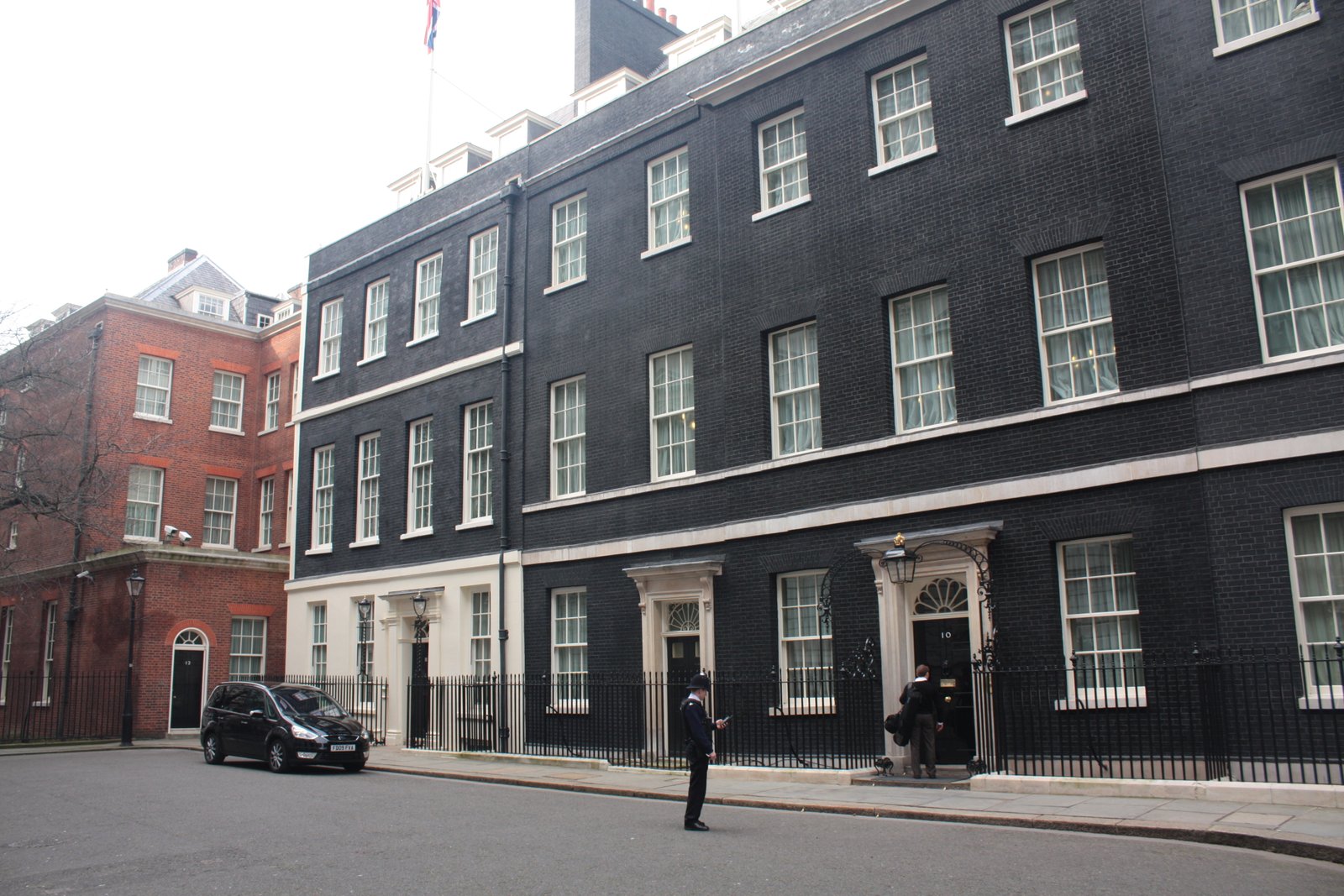
The ongoing Starmer Labour leadership crisis continues to weigh heavily on the UK government this year. Pressure from within the ruling party has built steadily since the spring, with dozens of lawmakers calling for change at the top.
The prime minister has faced criticism from multiple directions. Some critics argue the government has been too tough on tax increases and immigration policy. Others say it has not gone far enough on issues like welfare reform and the ongoing conflict in the Middle East. This wide range of complaints has made it difficult for the government to find a unified message.
Poor results in recent local elections added fuel to the unrest. Smaller parties made significant gains at the expense of the ruling party, a shift that alarmed many lawmakers ahead of future national votes. Several members of parliament have openly called for a change in leadership or a clear plan for transition.
A handful of government officials have already resigned in protest this year. Their departures added to a sense of instability within the party, even as leadership has pushed back against calls to step down. Supporters argue that removing a sitting prime minister mid term would create even more chaos than the current criticism suggests.
Public approval ratings have fallen sharply since the government took office. Surveys show a large share of the public disapproves of how key issues have been handled, including healthcare and immigration policy. Some pollsters have compared the current approval slump to some of the least popular stretches in recent political history.
Despite the pressure, the prime minister has remained firm in public statements. He has argued that swapping leaders now would send the country into deeper turmoil and open the door for opposition parties to gain further ground. He has pointed to the instability seen under the previous government as a warning against repeating the same pattern.
Opposition leaders have used the turmoil to sharpen their own messaging. Rival parties argue that years of economic strain and shifting policy have left working families worse off. They have used declining approval numbers as evidence that voters are ready for a change in direction.
Analysts say the coming months will be critical for the party’s future. If dissatisfaction continues to grow, more lawmakers may join calls for new leadership. If the government can show visible progress on key issues, however, it may be able to steady public confidence and quiet internal pressure.
International observers are also watching closely, since political instability in the UK could affect its role in global affairs, including its position on European security and trade relationships. A period of prolonged uncertainty at the top could complicate long term planning on major policy issues.
For now, the government insists it remains focused on delivering results rather than reacting to internal pressure. Officials say policy announcements planned for later this year are meant to show voters concrete progress, even as speculation about leadership continues to swirl inside the party.
Whether this strategy succeeds in easing tensions remains uncertain. With approval ratings low and internal party pressure high, the months ahead will likely determine whether the current leadership can steady its position or whether further disruption lies ahead.