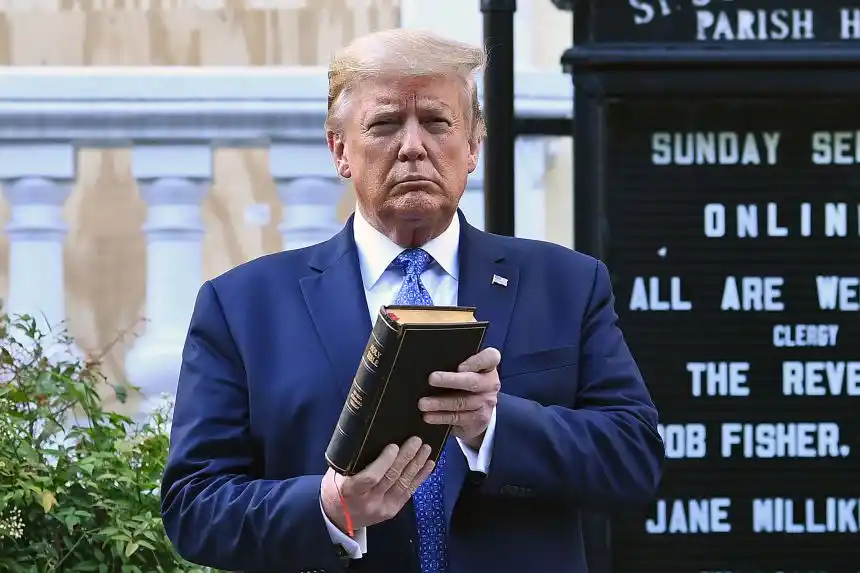


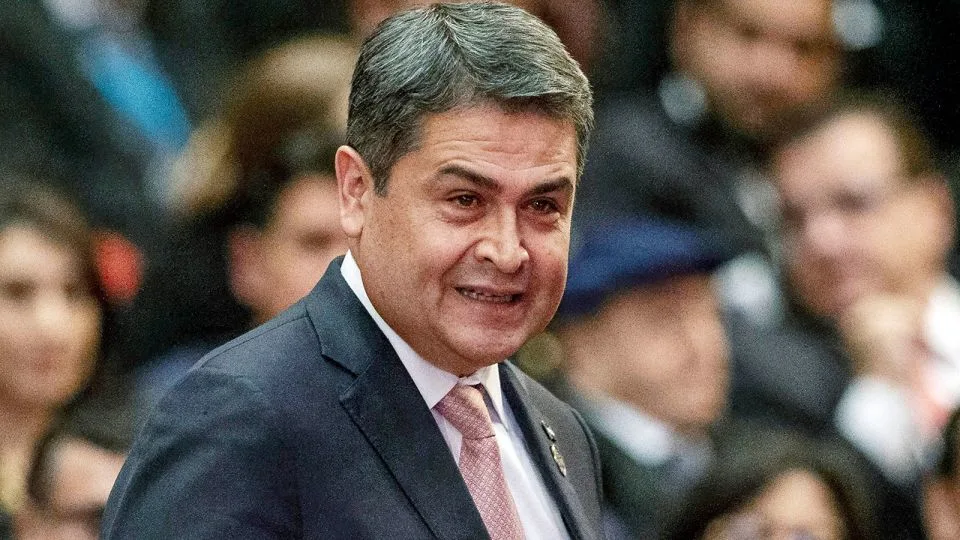
President Donald Trump announced on Friday that he intends to grant a full pardon to former Honduran President Juan Orlando Hernández, who is serving a 45-year sentence in the United States for drug-trafficking offenses. The move would erase one of the most high-profile US convictions tied to Central American politics in recent years.
Trump shared the news on his social media platform, saying Hernández had been treated “very harshly and unfairly.” He added that the pardon was timely, given Honduras’s upcoming presidential election and the expected rise of conservative candidate Nasry “Tito” Asfura.
Hernández led Honduras from 2014 to 2022. In 2024, a US judge sentenced him to 45 years in federal prison and fined him $8 million after prosecutors linked him to large-scale cocaine trafficking. According to court records, Hernández allegedly worked with drug cartels to move more than 400 tons of cocaine toward the United States. Prosecutors claimed he received millions in bribes to support his political career.
During his presidency, Hernández was accused of protecting key drug traffickers while using his office to control extraditions. Prosecutors said he allowed some traffickers to remain in Honduras if they paid him and followed his orders, while extraditing others who threatened his hold on power. Hernández has denied all charges.
The former president was extradited to the US in 2022 after the Department of Justice filed multiple drug-trafficking and firearms-related charges against him. Hernández’s legal team has described the case as politically motivated. Following Trump’s announcement, attorney Renato Stabile expressed gratitude, saying the pardon would allow Hernández’s “triumphant return to Honduras” and restore justice in what they call a political prosecution.
Trump’s statement also highlighted the US interest in Honduras’s upcoming election. He strongly endorsed conservative candidate Tito Asfura, linking the success of US-Honduras relations to Asfura’s victory. Trump emphasized that the US would closely support Honduras under Asfura’s leadership, but warned that electing the wrong leader could lead to catastrophic consequences for the country.
In recent months, the Trump administration has focused on counter-drug operations in the Caribbean and Pacific regions. Increased US military activity in these areas has aimed to curb drug trafficking and organized crime, signaling a continued commitment to regional security.
The planned pardon comes at a politically sensitive time. Hernández remains a polarizing figure in Honduras, with many citing his involvement in corruption and drug trafficking as a major concern. However, Trump framed the pardon as correcting an injustice, while tying US diplomatic support to the outcome of Honduras’s next presidential election.
Legal analysts note that presidential pardons for foreign leaders involved in US prosecutions are rare. While Trump’s announcement sets a clear policy position, it could also draw scrutiny from international observers and human rights groups. The move highlights the intersection of US politics, foreign policy, and high-profile criminal cases in Latin America.
Hernández’s potential return to Honduras is expected to generate both political debate and public attention. Supporters argue that the pardon restores his reputation and allows him to engage in future political or civic initiatives, while critics caution that it may send mixed signals about accountability for corruption and drug trafficking in the region.
Trump’s backing of Tito Asfura underscores the administration’s strategic interest in Honduras. If Asfura wins, Trump signaled, the US would actively collaborate with his government to ensure political stability and economic growth. The upcoming election will test both domestic sentiment in Honduras and the influence of US foreign policy on the country’s political landscape.