

The ongoing war involving Iran has entered a new technological phase as artificial intelligence tools reportedly played a central role in coordinating hundreds of rapid airstrikes. Within the first 12 hours of the operation, the United States and Israel launched more than 900 attacks across Iranian territory.
According to Daljoog News analysis, the pace of these operations highlights how modern warfare is being reshaped by AI-driven intelligence systems capable of analyzing vast amounts of battlefield data in seconds. The result is a level of operational speed that traditional military planning could rarely achieve.
The development is raising new questions about how artificial intelligence may transform conflict in the future, particularly when military decisions are increasingly supported by automated data analysis and targeting systems.
What Happened?
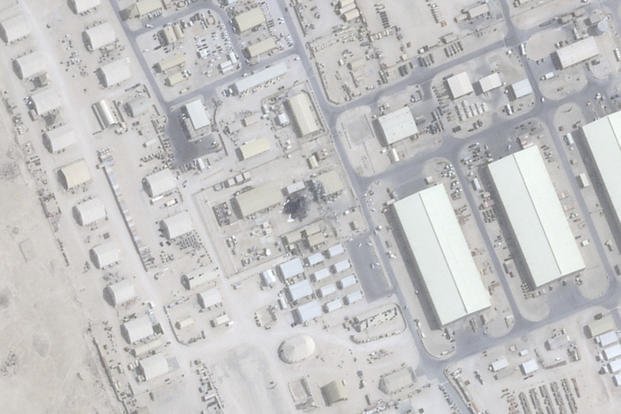
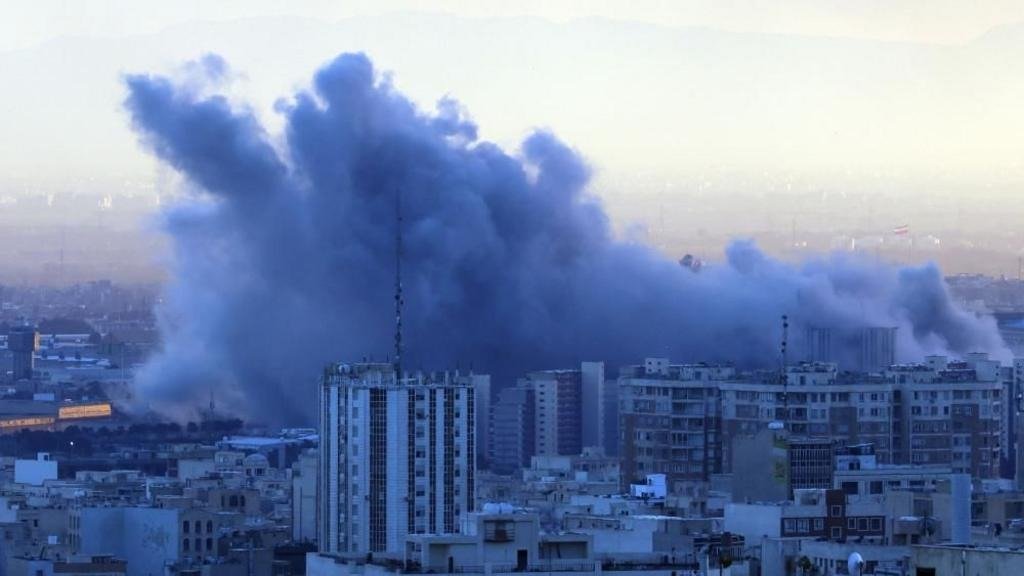
Reports indicate that the United States and Israel carried out an exceptionally rapid bombing campaign during the opening hours of their recent military operations targeting Iranian facilities.
In total, more than 2,000 locations across Iran were reportedly struck within a single day. Military analysts say that over 900 bombs or missiles were launched during the first 12 hours alone.
Such a pace of attacks is unusual even by modern military standards.
For comparison, during the early stages of the 2003 Iraq War, U.S. forces deployed roughly half that number of strikes during a similar time period. The scale and speed of the current operation suggest a major shift in operational capabilities.
Western media reports indicate that artificial intelligence played a significant role in accelerating the targeting process.
According to these reports, U.S. Central Command used AI-powered analytical tools to process intelligence data, identify potential targets, and assist commanders in prioritizing strike locations.
One system reportedly involved the use of advanced AI technology connected to the Claude platform developed by the company Anthropic. Through partnerships with defense technology firms such as Palantir Technologies, these systems can rapidly evaluate satellite imagery, surveillance feeds, and signals intelligence.
Instead of analysts manually reviewing thousands of pieces of data, AI systems can scan and categorize them almost instantly.
This allows military planners to generate targeting lists far more quickly than traditional intelligence workflows.
Why This Matters
The rapid strike campaign demonstrates how artificial intelligence may fundamentally change the speed and scale of modern warfare.
Traditional military operations require teams of analysts, intelligence officers, and commanders to review surveillance information before approving targets. That process can take hours or even days.
AI-driven systems dramatically compress that timeline.
By processing massive amounts of intelligence data within seconds, AI platforms can identify patterns, potential threats, and high-value targets far faster than human teams working alone.
Supporters argue that this technology allows militaries to respond more quickly and operate more efficiently.
However, critics warn that the same speed can increase risks.
When decisions are accelerated, the margin for error becomes smaller. Analysts caution that automated systems may misinterpret incomplete data or fail to recognize civilian environments surrounding potential targets.
In conflicts involving dense populations, such errors could lead to unintended casualties.
What Analysts or Officials Are Saying
Military analysts note that AI has already been integrated into several modern conflicts.
Israel has used artificial intelligence systems for surveillance and targeting operations during previous military campaigns in Gaza. Similar technologies are also being developed by other countries to support intelligence analysis and drone operations.
In the Russia–Ukraine war, AI-guided drones and automated reconnaissance tools have become increasingly common on the battlefield.
Defense experts say the Iran conflict appears to be pushing the use of these technologies even further by integrating AI more directly into operational planning.
Some reports have also raised concerns about potential mistakes linked to automated analysis systems.
Critics argue that AI-driven targeting tools lack human judgment and contextual understanding. As a result, misidentified targets could cause serious humanitarian consequences if the technology is used without sufficient oversight.
The debate over military AI is also unfolding inside the United States. Political disagreements over the use of certain AI systems by federal agencies have recently emerged, particularly regarding how closely private technology companies should cooperate with defense institutions.
Daljoog News Analysis
The integration of artificial intelligence into combat operations represents one of the most significant shifts in military strategy since the introduction of precision-guided weapons.
AI does not simply improve targeting accuracy. It transforms the speed at which wars are fought.
The ability to conduct hundreds of strikes within hours demonstrates how algorithmic analysis can reshape operational timelines. Instead of gradual escalation, conflicts may now begin with massive waves of coordinated attacks.
This creates new strategic dynamics.
On one hand, faster operations can overwhelm enemy defenses and disrupt command structures before they fully react. On the other hand, rapid escalation may reduce opportunities for diplomatic intervention or de-escalation.
Another concern is accountability.
When military decisions are partially guided by algorithms, determining responsibility for mistakes becomes more complex. Governments may still approve operations, but AI systems increasingly influence which targets are selected and when.
The Iran conflict therefore offers an early glimpse into what many analysts describe as the emerging era of “algorithmic warfare.”
What Happens Next
The use of artificial intelligence in military operations is likely to expand as conflicts continue to evolve.
The United States, Israel, Russia, China, and several other major powers are investing heavily in AI systems designed to enhance intelligence analysis, drone operations, and battlefield decision-making.
Future operations may integrate AI even more deeply, potentially allowing autonomous systems to assist with surveillance, logistics, and tactical coordination.
However, the growing role of AI is also expected to intensify debates over military ethics and international law.
Governments may face increasing pressure to establish clear guidelines on how automated systems should be used in combat.
For now, the Iran conflict is providing a real-world demonstration of how artificial intelligence is already transforming warfare — not as a distant future concept, but as an active force shaping the speed and scale of modern military campaigns.