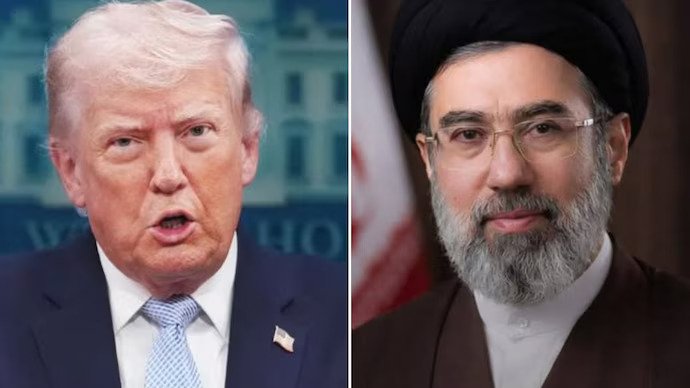



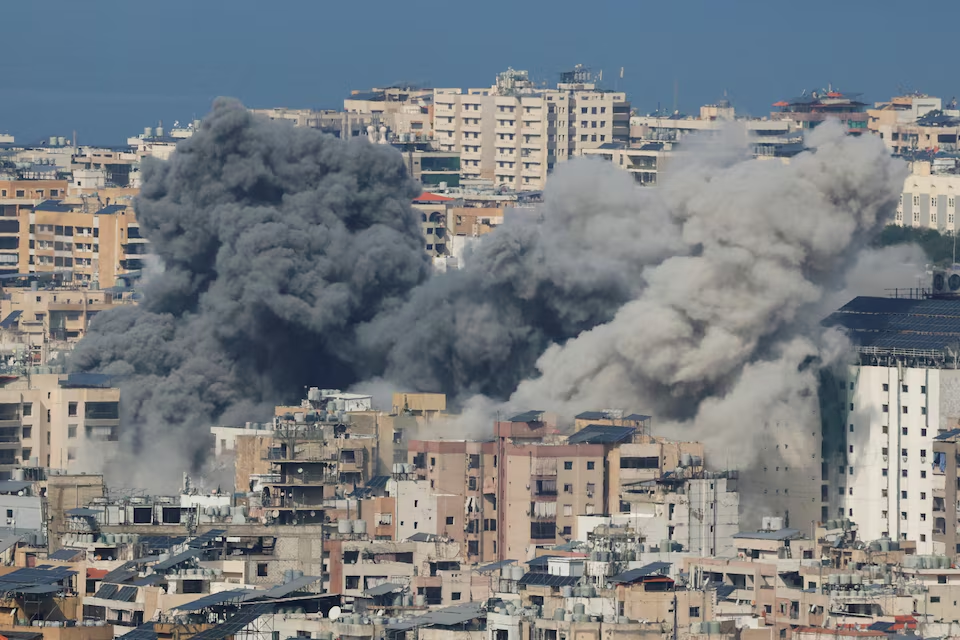
The Middle East faces mounting instability as Iran, the United States, and Israel continue a sixth consecutive day of hostilities. Airstrikes and missile attacks have hit multiple cities in Iran, while Iran retaliates with drone and missile strikes targeting U.S. and Israeli positions across the region.
According to Daljoog News analysis, the violence marks a significant escalation in regional tensions. Lebanon has suffered dozens of civilian deaths amid Israeli strikes, while Iran demonstrates increasing operational range and precision with its attacks, signaling that the conflict could have far-reaching implications.
The timing and intensity of these strikes underscore a volatile moment for the Middle East. With civilian populations caught in the crossfire and key military infrastructure under assault, the risk of a broader regional confrontation has risen sharply.
What Happened?
The conflict began with Israeli and U.S. strikes on Tehran and other Iranian cities, including Sanj, Karaj, Bukhan, and Kurdish regions. Military targets, such as missile launch pads and command centers, were the stated focus, though hospitals, schools, residential areas, and markets have also been affected. Tehran reports that at least 33 civilian sites have been hit, with over a thousand deaths and more than 6,000 injuries recorded so far.
Lebanon has also been drawn into the conflict. Israeli airstrikes killed at least six people in southern Lebanon and Beirut, including a senior Hamas official and his spouse in a Palestinian refugee camp. Israel has reportedly sought to secure entry into at least six border regions, while Hezbollah in Lebanon has launched a series of drone attacks against Israeli military posts, many of which Israel claims to have intercepted.
Iran has continued retaliatory operations, with its Islamic Revolutionary Guard Corps (IRGC) claiming the 19th round of strikes targeting Israeli military and civilian infrastructure. Recent attacks have included explosions near Israel’s Defense Ministry in Tel Aviv and Ben Gurion International Airport, alongside precision strikes on advanced radar installations.
Beyond Israel, Iran has conducted operations in Iraq’s semi-autonomous Kurdish regions, targeting separatist groups such as Komala, and in the Gulf, a tanker near Kuwait has reportedly been damaged. Saudi Arabia claims to have intercepted multiple drones and missiles, while Iran denies any attacks near Turkey.
Why This Matters
The escalating hostilities demonstrate the fragility of regional security across the Middle East. Civilian casualties in Lebanon and Iran highlight the human cost of the conflict, while attacks on critical infrastructure threaten to disrupt regional trade, energy supplies, and international aviation.
The operational capabilities displayed by Iran, particularly the use of drones and long-range missiles, challenge U.S. and Israeli military planning. The situation may force both nations to reconsider deployment strategies, defense protocols, and regional partnerships, with the risk of drawing additional countries into the conflict.
What Analysts or Officials Are Saying
Military analysts note that Iran’s precision strikes reflect growing sophistication and signal that traditional defense systems may struggle to contain future attacks. Some experts suggest that the escalation could trigger a broader arms race in the Middle East, as nations respond to the demonstrated capabilities of hypersonic missiles, drones, and precision-guided munitions.
Officials in Lebanon and regional capitals are closely monitoring the situation, recognizing that civilian populations remain highly vulnerable. Analysts also warn that the conflict could create diplomatic and economic pressure on neutral states, potentially destabilizing the wider Gulf region.
Daljoog News Analysis
The Iran-US-Israel confrontation is a turning point for regional security. It illustrates how localized conflicts can quickly escalate into multi-national crises with widespread human and strategic consequences. The conflict also emphasizes the evolving nature of modern warfare, where drone and missile technology increasingly define military leverage.
Daljoog News believes that Lebanon’s civilian casualties and infrastructure damage are symptomatic of a larger strategic struggle, where nations deploy both conventional and asymmetric tools to achieve military and political objectives. The ongoing strikes may reshape regional alliances and force countries to reevaluate defense readiness and deterrence capabilities.
What Happens Next
The conflict shows little sign of abating. Analysts expect continued Iranian missile and drone strikes, while Israel and U.S. forces may expand their operational reach in response. Diplomatic pressure is likely to intensify, but with multiple fronts active—from southern Lebanon to Iraq’s Kurdish regions—the risk of broader escalation remains high.
Regional security experts warn that unless de-escalation measures are pursued, prolonged hostilities could destabilize not only the Middle East but also global energy markets and international trade routes. Governments in the region will need to balance military responses with diplomatic engagement to prevent the conflict from spiraling further.