

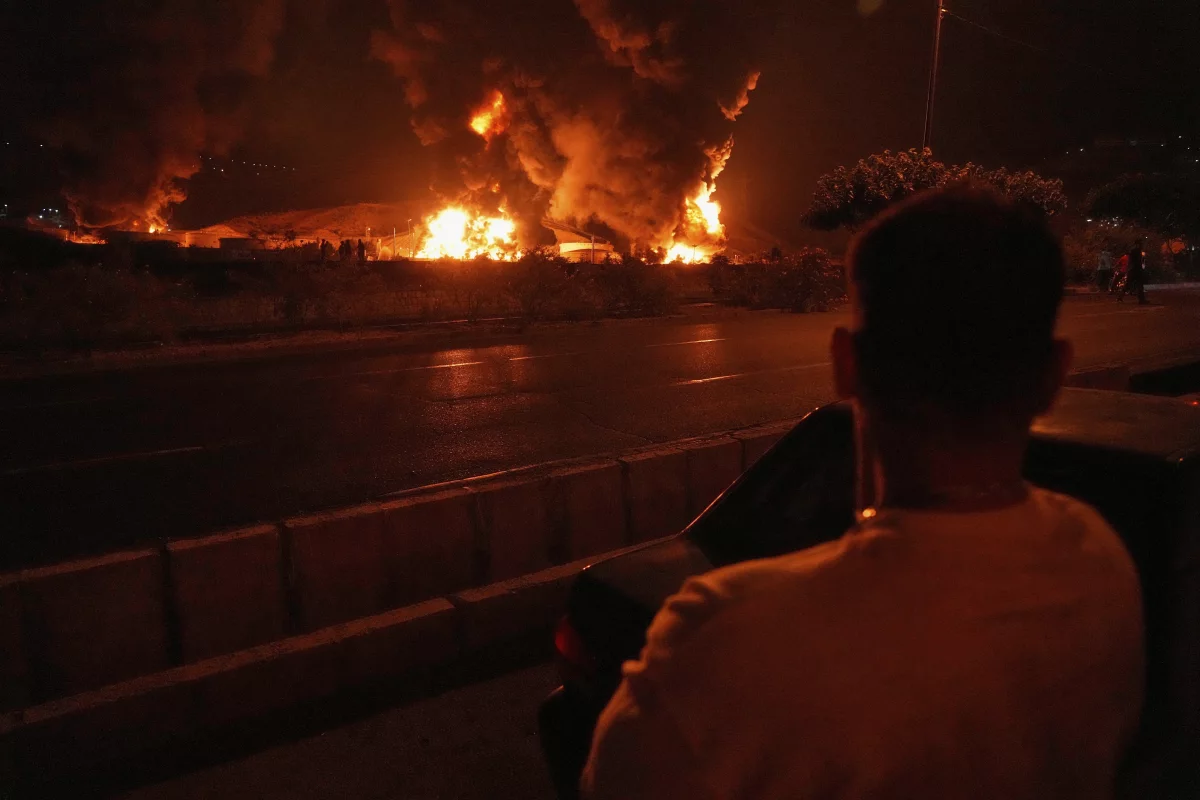
Violence has surged across the Middle East following an attack on Iran’s Lavan oil refinery, undermining a two-week ceasefire announced by U.S. President Donald Trump. Retaliatory strikes by Iran targeted multiple Gulf states, escalating the conflict rapidly.
According to Daljoog News analysis, this escalation demonstrates how fragile ceasefires have become, with any provocation capable of triggering immediate counterattacks and endangering diplomatic efforts.
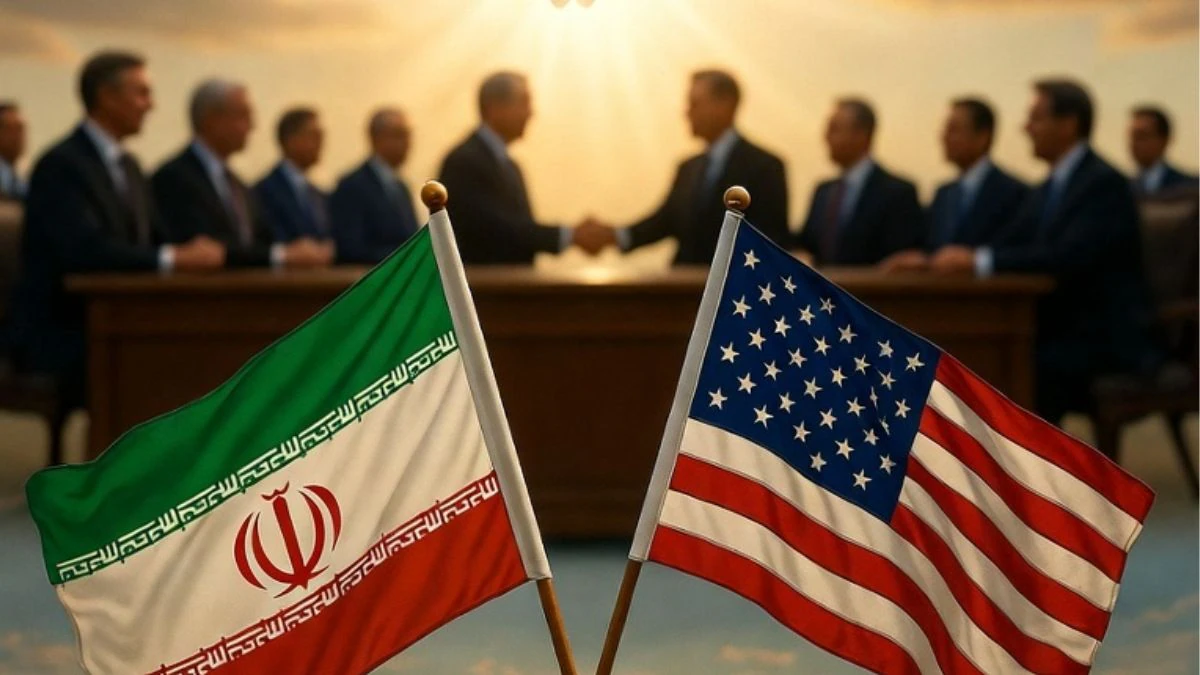
The timing is critical as Pakistan-mediated peace talks scheduled for April 10 in Islamabad now face serious uncertainty. Renewed hostilities risk derailing negotiations and further destabilizing the region.
What Happened?
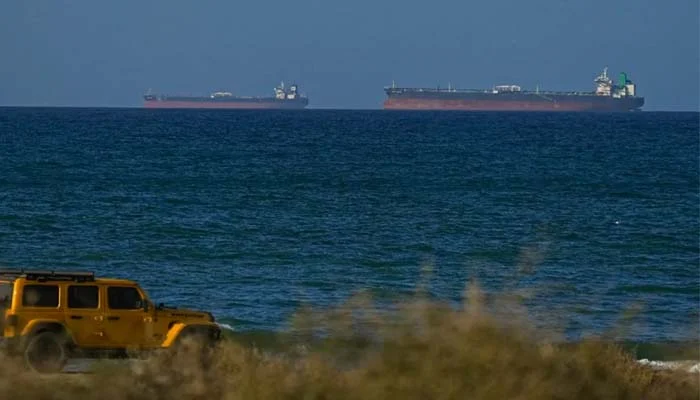
On Wednesday morning, powerful explosions struck the Lavan Island oil refinery, according to Iran’s national oil company. The facility caught fire, but evacuation measures prevented casualties. Iran immediately blamed the United States and Israel for the attack.
Within an hour, Iran’s Islamic Revolutionary Guard Corps (IRGC) launched retaliatory operations targeting locations in the UAE and Kuwait.
The UAE Ministry of Defense reported multiple explosions above Dubai and other regions, with air defense systems intercepting Iranian ballistic and cruise missiles. The Kuwaiti military stated it faced intense strikes, claiming to have shot down at least 28 Iranian drones. Some drones, however, hit critical oil facilities, power plants, and desalination sites, causing extensive infrastructure damage.
Since February 28, the conflict has intensified, with President Trump warning against Iranian escalation. Wednesday’s attacks complicate diplomatic efforts, including the Islamabad peace talks.
Israel also violated the ceasefire by carrying out operations in Lebanon. Iran’s semi-official Tasnim News Agency warned that continued Israeli strikes could push Tehran to withdraw from the ceasefire entirely.
Why This Matters
The attacks mark a sharp escalation in a region already under pressure. Infrastructure damage in Kuwait and the UAE threatens economic stability and energy security across the Gulf. The involvement of multiple nations increases the risk of a wider conflict.
Iran’s rapid retaliation demonstrates that regional ceasefires are extremely fragile, and violations could quickly spiral into multi-front confrontations.
Israel’s operations in Lebanon further complicate negotiations, and a withdrawal by Iran could escalate hostilities across the Middle East.
What Analysts or Officials Are Saying
Experts at the Center for Middle East Strategic Studies note that Iran’s main condition for ceasefire compliance was halting attacks across all fronts, including Lebanon. Israeli operations undermine this framework and threaten to derail peace negotiations.
Officials believe Iran’s retaliatory measures are intended to demonstrate resolve and deter further unilateral strikes. Analysts warn, however, that escalation could outpace diplomatic mediation, destabilizing the region further.
Pakistan-mediated peace talks now face significant uncertainty. Continued attacks may prompt Iran to delay or suspend participation, making negotiations highly unpredictable.
Daljoog News Analysis
The events underline the fragility of ceasefires in the Middle East. Iran’s swift retaliation highlights the delicate balance between restraint and escalation, with infrastructure and civilian centers increasingly affected.
The conflict over Lebanon shows that regional tensions are interconnected. Actions on one front affect other theaters, complicating diplomacy and threatening broader stability.
What Happens Next
The Gulf’s air defenses and potential counter-retaliation by Israel and U.S. forces are now under scrutiny. The Islamabad peace talks are at risk, and Iran may set strict conditions for participation.
The coming days will determine whether this escalation spirals into a larger conflict or if diplomacy can regain control. Regional stability, energy security, and the durability of ceasefires will be closely watched.