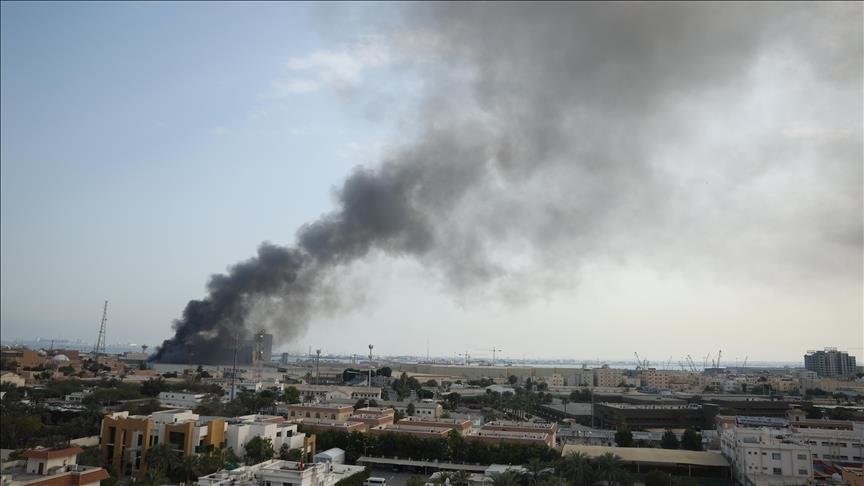
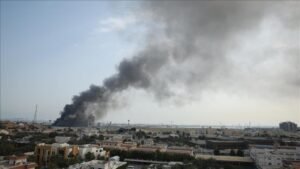

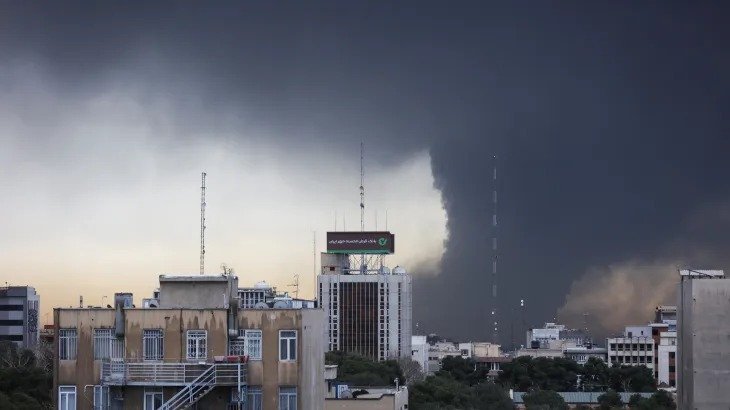
Israeli forces have launched a major offensive on Iran, striking multiple cities, including Tehran and Karaj. The attacks targeted fuel reserves, industrial zones, and critical infrastructure such as a water purification plant. Flames engulfed Tehran’s oil refinery after the bombardment, highlighting the intensity of the strikes.
According to Daljoog News analysis, Israel’s operation marks a significant escalation in the regional conflict, extending its scope from military bases to civilian infrastructure and industrial centers. This demonstrates both the strategic planning and the destructive potential of Israel’s air campaigns.
In response, Iran has unleashed a wave of missile and drone attacks across Israel, as well as strikes against US-aligned facilities in Kuwait, Saudi Arabia, and other Gulf states, signaling that the confrontation is entering a broader regional phase.
What Happened?
On Saturday, Israel targeted several Iranian fuel depots and a water purification facility in Tehran. Warplanes also struck industrial zones in Karaj, Iran’s second-largest urban area near the capital. Reports indicate fires erupted in several locations, while damage assessments are ongoing.
Israeli operations extended beyond Iran. Lebanese territory, particularly Beirut, came under attack targeting top commanders of the Quds Force’s Lebanon branch. A hotel in the capital was hit, resulting in casualties. In retaliation, Hezbollah launched rockets toward Israeli positions.
Iran responded swiftly. Overnight missile barrages targeted multiple Israeli cities, including Tel Aviv. While Israel’s air defenses intercepted several missiles, some penetrated and hit military infrastructure.
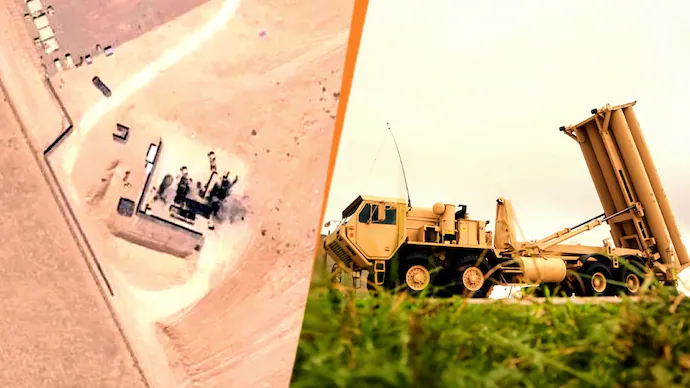
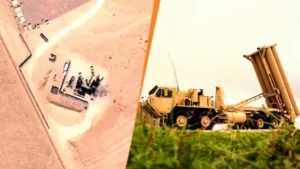
Iranian strikes extended to Gulf countries as well. The Islamic Revolutionary Guard Corps (IRGC) targeted US military installations in Kuwait, damaging fuel storage tanks at Kuwait International Airport and the main building of the Public Institution for Social Security. Saudi Arabia’s diplomatic district in Riyadh also faced drone strikes, most of which were intercepted by air defenses.
Why This Matters
The latest attacks illustrate how quickly the conflict has escalated from localized confrontations into a regional crisis involving multiple states. Critical infrastructure—including fuel depots, airports, and social security offices—is now at risk, raising both humanitarian and economic concerns.
The strikes highlight the vulnerability of air defenses to coordinated drone and missile attacks, as well as the potential for civilian areas to be caught in crossfire. Regional stability is under severe strain, and neighboring countries are now directly threatened by ongoing hostilities.
What Analysts or Officials Are Saying
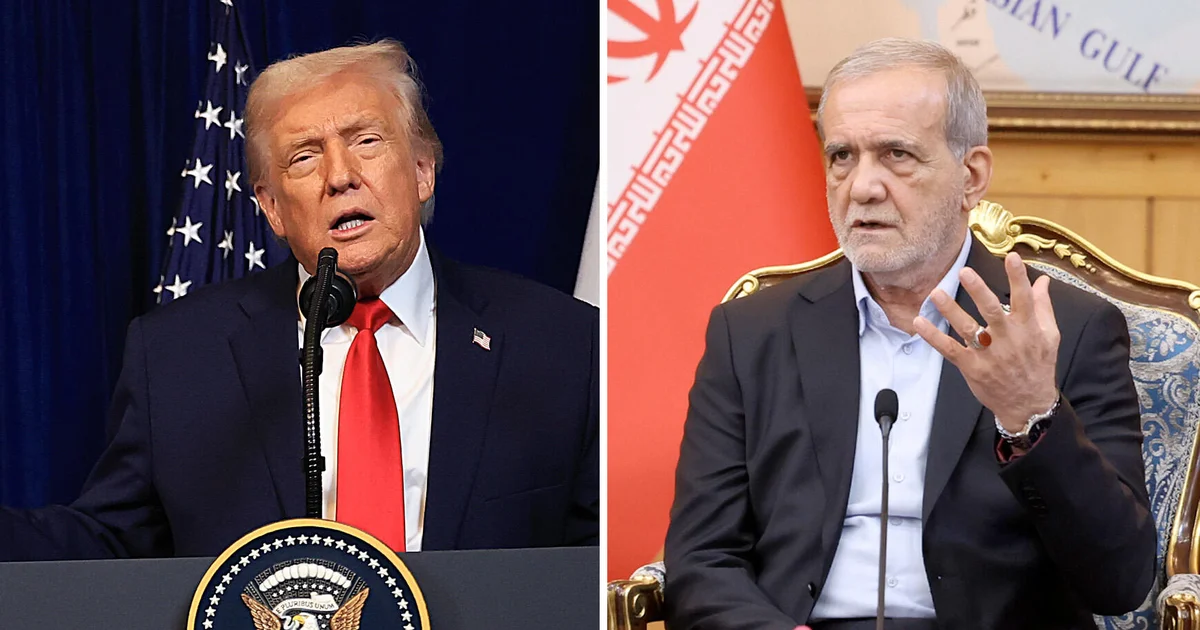
US President Donald Trump has ruled out any negotiations with Iran, emphasizing the need for leadership that prevents Tehran from pursuing further aggression. He also denied US responsibility for civilian casualties in recent Iranian school attacks.
Iranian officials, including National Security Council chief Ali Larijani, have issued stern warnings. They insist that the US and Israel’s prior assassination of top Iranian leaders—including Supreme Leader Ali Khamenei—will not go unanswered. Iran emphasizes that while internal political differences exist, the country remains unified in defending its sovereignty.
Iranian Foreign Minister Abbas Araghchi criticized Trump’s interpretation of Iranian restraint as surrender, asserting that Tehran is fully prepared for continued conflict. Analysts note that these statements signal Tehran’s intent to maintain offensive capabilities while deterring further attacks from Israel or its allies.
Daljoog News Analysis
The strikes underscore a critical shift in regional dynamics. Israel’s targeting of industrial and fuel infrastructure marks an escalation beyond conventional military operations. Iran’s rapid retaliatory response demonstrates its capacity to strike across borders, directly challenging both Israeli and US positions.
The involvement of Lebanon, Kuwait, and Saudi Arabia shows how the conflict is no longer bilateral. It is now a multi-front confrontation that could have lasting implications for Gulf security, energy markets, and civilian safety. Analysts warn that without immediate containment, further escalation may destabilize the wider Middle East.
What Happens Next
Observers expect both sides to continue offensive operations while preparing for potential counterstrikes. Iran appears determined to sustain its retaliation until Israeli and US military aggression is deterred, while Israel may conduct further precision strikes against Iranian strategic targets.
Diplomatic pressure from regional and international actors may intensify to prevent further escalation, but for now, the situation remains highly volatile. Neighboring countries and civilians are likely to remain at risk as the conflict unfolds.