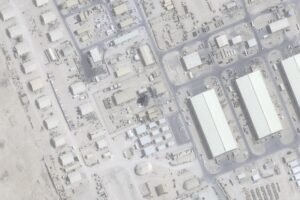


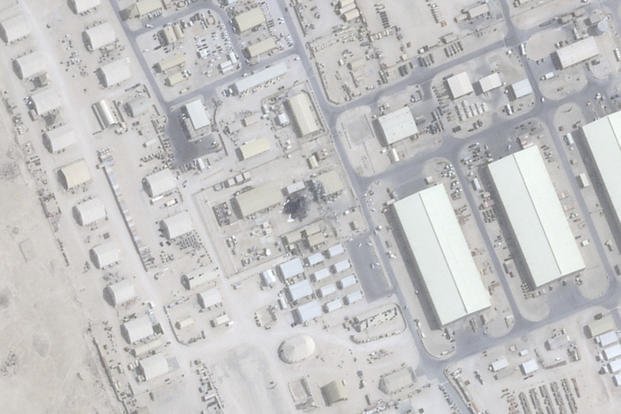
Qatar has arrested several individuals accused of working with Iran’s Islamic Revolutionary Guard Corps (IRGC) to gather sensitive information on military installations and key infrastructure inside the Gulf state. Authorities say the arrests were made after a security investigation uncovered an alleged covert network operating within the country.
According to Daljoog News analysis, the case reflects rising intelligence tensions in the Gulf at a time when military confrontation between Iran, Israel, and U.S. allies is intensifying. The discovery of suspected espionage activity inside Qatar highlights the expanding shadow conflict unfolding alongside open military operations.
The arrests also come during a period of heightened regional instability, as drone and missile activity linked to the broader Iran confrontation has been detected across several Gulf airspaces.
What Happened?
Qatar’s security services announced that ten individuals linked to two suspected intelligence cells were arrested in connection with activities allegedly directed by Iran’s Islamic Revolutionary Guard Corps.
According to information released by Doha earlier this week, the detainees were part of networks tasked with collecting sensitive data about military sites and strategic facilities across the country.
Authorities say seven of the suspects were assigned to gather intelligence related to defense infrastructure and other important locations. The remaining three individuals were reportedly trained for sabotage operations and were responsible for preparing potential attacks against selected targets.
Investigators said they recovered several items during the arrests, including maps of critical installations, advanced communication devices, and specialized technical equipment believed to be used for surveillance and coordination.
The Qatar News Agency reported that the suspects admitted during questioning that they had been working on behalf of the IRGC.
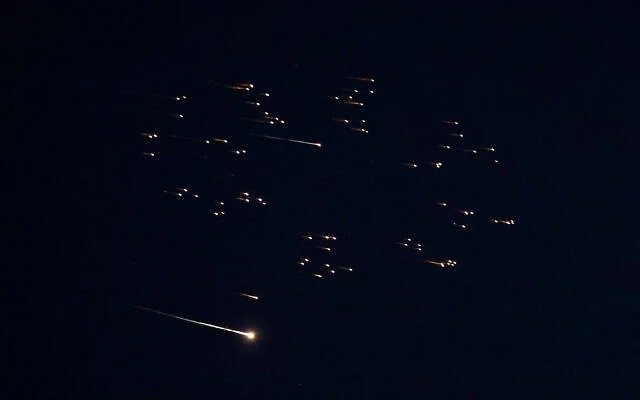
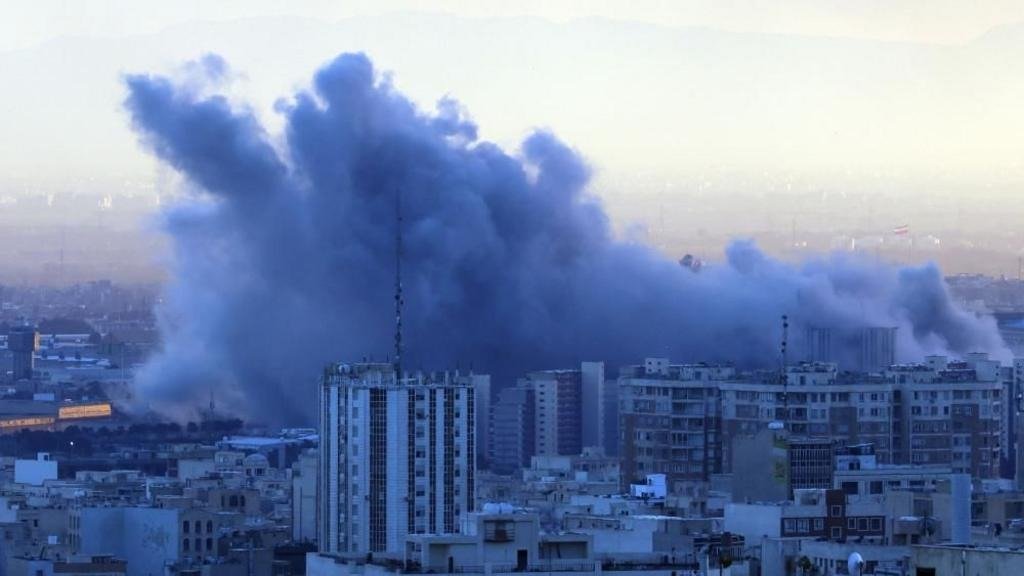
The announcement came shortly after Qatar detected multiple drones and missiles passing through its airspace during a recent exchange of strikes between Iran and Western-aligned forces in the region.
Iran later stated that Qatar was not the intended target of those missile launches. However, Qatari officials rejected that explanation and expressed concern over the potential risks posed to their territory.
Why This Matters
The discovery of a suspected Iranian intelligence network operating inside Qatar represents a significant security concern for the Gulf state.
Qatar hosts several strategic military and energy facilities, including installations linked to Western defense cooperation. Intelligence gathering on such locations could expose vulnerabilities or assist future military operations.
The case also comes at a sensitive moment in regional politics. Qatar has historically played a diplomatic role between Iran and Western countries, frequently acting as a mediator in negotiations and regional crises.
If Iranian-linked networks were indeed operating covertly inside the country, the incident could complicate Qatar’s diplomatic balancing strategy.
The presence of alleged sabotage specialists among those arrested raises further concern. Such operatives are typically trained to conduct attacks on infrastructure, energy facilities, or transport networks if tensions escalate.
Security experts say the discovery may prompt Gulf states to review their counterintelligence strategies and strengthen monitoring of foreign-linked networks.
What Analysts or Officials Are Saying
Qatari officials have emphasized that the arrests were carried out as part of a broader national security effort to prevent threats to critical infrastructure.
Authorities confirmed that the investigation remains ongoing and that additional security measures are being implemented to protect key installations across the country.
Regional analysts note that espionage networks are a common feature of geopolitical competition in the Middle East. However, the exposure of such networks often carries diplomatic consequences that extend beyond the immediate security concerns.
Experts also point out that Qatar’s unique diplomatic role may make it particularly vulnerable to intelligence operations by competing powers seeking strategic advantages.
The timing of the arrests has also drawn attention. The revelations emerged just as Iran and Western-aligned forces were engaged in active military exchanges across the region.
Daljoog News Analysis
The alleged spy network in Qatar highlights how modern conflicts are fought across multiple layers simultaneously.
While missile strikes and military operations dominate headlines, intelligence activities often play a quieter but equally important role in shaping the battlefield.
Iran’s regional strategy has long combined conventional military capabilities with intelligence networks and allied groups operating across the Middle East.
If the accusations are confirmed, the operation in Qatar may have been designed to gather detailed information about military deployments, air defense systems, or energy infrastructure.
For Qatar, the incident is particularly sensitive because the country has built its foreign policy around maintaining dialogue with opposing sides in regional conflicts.
Acting as a mediator between Iran and Western governments has allowed Doha to build diplomatic influence. However, the exposure of alleged Iranian-linked networks inside the country could raise questions about how effectively that balance has been maintained.
The episode also sends a signal to other Gulf states. As tensions between Iran and its rivals escalate, intelligence competition across the region is likely to intensify as well.
What Happens Next
Qatar’s investigation is expected to continue as authorities analyze the materials recovered from the suspects and attempt to determine the full extent of the network.
Officials may also review security procedures surrounding key infrastructure sites, particularly military installations and energy facilities.
Diplomatic conversations between Qatar and Iran are likely to follow. The incident could place additional strain on relations that have previously remained relatively stable compared with other Gulf states.
Regional governments will also watch closely to see whether similar networks exist elsewhere. Intelligence agencies across the Gulf may increase surveillance efforts and strengthen counterintelligence operations.
At the same time, Qatar will likely continue trying to maintain its diplomatic role in regional conflicts.
Balancing security concerns with its mediator position will be one of the country’s most difficult challenges as tensions in the Middle East continue to rise.