



Jingmai Mountain in southwest China’s Yunnan Province is drawing tourists with its winter cherry blossoms and dramatic seas of clouds. Located in Lancang Lahu Autonomous County, the mountain is a UNESCO World Cultural Heritage site.
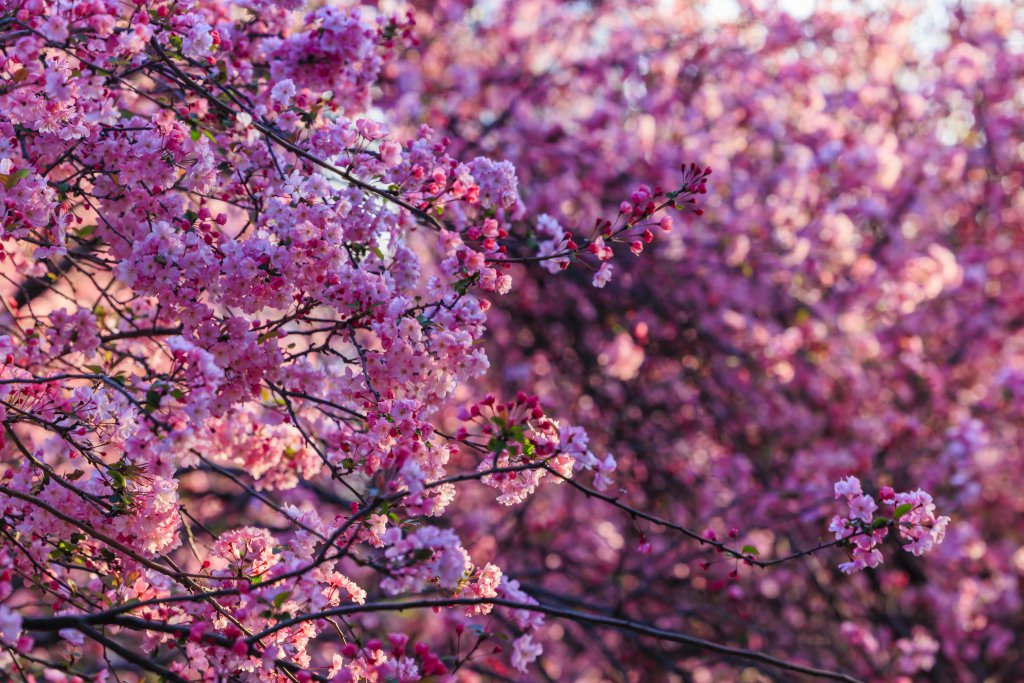
At sunrise, the mountains are bathed in soft light, transforming drifting clouds into a cascading spectacle over the hillsides. As the clouds lift, cherry blossoms in delicate pink shades emerge, spreading across tea gardens and lining winding mountain roads. The flowers add vibrant color to the scenic landscape.
“It is incredibly beautiful, far beyond what I expected. This has been the biggest highlight of my trip to Pu’er. It feels like entering a fairyland,” said Xie Yuying, a visitor from Hunan.
Beyond the natural scenery, visitors can explore ancient villages, sample local cuisine, and experience the rich cultures of ethnic minorities in the region. Jingmai Mountain offers a combination of natural beauty and cultural heritage that appeals to travelers seeking both relaxation and learning.
The mountain’s old tea forests cultural landscape, recognized as a UNESCO World Heritage site in 2023, was developed over a thousand years by the Bulang and Dai peoples. Their cultivation practices date back to the 10th century and continue to shape the area’s unique environment today.
Tourists flock to Jingmai Mountain not only for photography and sightseeing but also to experience its centuries-old tea culture. Walking through the tea gardens and historical villages, visitors gain insight into local customs, traditional practices, and sustainable agriculture that have preserved the region’s natural beauty.
Winter cherry blossoms are scattered along mountain roads and tucked within tea plantations, creating picturesque scenes for early-morning visitors. The combination of clouds, sunlight, and delicate flowers produces striking vistas that attract photographers, nature enthusiasts, and cultural travelers alike.
Local authorities have promoted Jingmai Mountain as a key destination for eco-tourism and cultural travel. They emphasize the preservation of both the natural environment and traditional practices, ensuring that tourism growth benefits local communities while maintaining the area’s heritage.
In addition to sightseeing, tourists can engage in cultural activities such as visiting traditional Bulang and Dai homes, learning about tea production, and attending local festivals. This blend of nature and culture makes Jingmai Mountain a unique destination in Yunnan Province.
The winter cherry blossom season highlights the region’s appeal beyond traditional spring festivals. Combined with the cloud seas that sweep over the mountains each morning, Jingmai Mountain offers a rare and serene experience for visitors seeking scenic beauty and cultural immersion.
With thousands visiting each year, the mountain continues to establish itself as a premier site for nature lovers and cultural tourists. Its combination of UNESCO-listed heritage, ethnic traditions, and spectacular cherry blossoms ensures that Jingmai Mountain remains a must-visit destination in Yunnan.