


Close Menu
Daljoog News
    What's Hot
    Tucson Bar Shooting Confirmed As Hate Crime

    Tucson Bar Shooting Confirmed As Hate Crime

    September 7, 2026
    US Sees Progress Toward Ukraine Peace Deal

    US Sees Progress Toward Ukraine Peace Deal

    September 7, 2026
    Acorn Squash Day Highlights Fall Produce Today

    Acorn Squash Day Highlights Fall Produce Today

    September 7, 2026
    Facebook X (Twitter) Instagram
    Monday, September 7
    Daljoog News
    Facebook X (Twitter) YouTube Instagram
    • Home
    • General
    • World
    • Business
    • Technology
    • Politics
    • Finance
    • Health
    • Lifestyle
    • Sports
    • Travel
    Daljoog News
    Home»Diplomacy»Will Tehran accept US demands?
    Diplomacy

    Will Tehran accept US demands?

    Andrew RogersBy Andrew RogersFebruary 22, 2026No Comments4 Mins Read
    Facebook Twitter Pinterest LinkedIn Tumblr Email
    Follow Us
    Google News
    Will Tehran accept US demands?
    Will Tehran accept US demands?
    Share
    Facebook Twitter LinkedIn Pinterest Email

    Iran is facing mounting military, political, and economic pressure following coordinated strikes by the United States and Israel that targeted key defense and nuclear facilities.

    According to Daljoog News analysis, the confrontation has reshaped the regional balance of power and forced Tehran into a difficult strategic calculation between escalation and compromise.

    The crisis erupted after tensions intensified ahead of a U.S. deadline, culminating in Israeli and later American military action that reportedly damaged critical infrastructure and triggered domestic unrest inside Iran.

    What Happened?

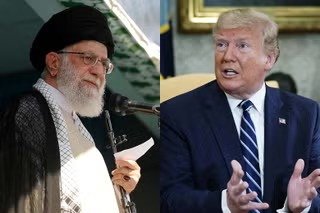
    The escalation began after President Donald Trump signaled that diplomatic patience was running thin over Iran’s nuclear activities.

    Israel launched a coordinated operation targeting Iranian military sites, including missile systems, air defense networks, and nuclear-linked facilities. Reports indicate the strikes were precise and focused on high-value strategic assets.

    Soon after, the United States entered the conflict directly with a follow-up air campaign aimed at additional nuclear infrastructure.

    Iranian authorities have not released full damage assessments. However, regional security analysts say several major installations suffered significant disruption.

    The confrontation lasted nearly two weeks and altered the immediate military balance in the region.

    Meanwhile, Iran’s leadership, long critical of both Washington and Tel Aviv, framed the attacks as aggression designed to weaken national sovereignty.

    Why This Matters

    Iran’s nuclear program has long been a flashpoint in Middle East geopolitics. Any military action involving its facilities carries implications far beyond the region.

    The recent strikes not only damaged physical infrastructure but also tested Tehran’s deterrence posture. A weakened defense system may invite further pressure if Iran cannot quickly rebuild capacity.

    Domestically, the timing is sensitive. Iran has struggled with economic stagnation, high inflation, and youth unemployment. The latest conflict has intensified public frustration.

    Protests have reportedly expanded across multiple cities. Security forces responded with crackdowns, drawing criticism from international human rights groups.

    The broader region is watching closely. Gulf states, Israel, and Western governments are recalibrating security assessments in light of the rapid escalation.

    What Analysts or Officials Are Saying

    Iran’s Supreme Leader Ali Khamenei has publicly supported a firm stance, calling for national unity and resistance against foreign pressure.

    Government officials argue that external forces aim to destabilize the Islamic Republic.

    On the diplomatic front, indirect negotiations mediated by Oman continue between Tehran and Washington. The talks focus on sanctions relief and limits on Iran’s nuclear and missile programs.

    U.S. officials have maintained that sanctions relief depends on verifiable constraints on enrichment activities.

    Political analysts note that both sides face domestic pressures. Washington seeks measurable concessions. Tehran must avoid appearing to surrender under force.

    International observers warn that miscalculation remains a serious risk. Even limited retaliation could spiral into a broader regional confrontation.

    Daljoog News Analysis

    Iran now stands at a strategic crossroads.

    One path involves de-escalation through negotiated compromise. That could ease sanctions and stabilize the economy but may require concessions on nuclear development and regional influence.

    The other path preserves hardline resistance. That choice may rally nationalist sentiment in the short term but risks prolonged isolation and additional military confrontation.

    The internal dimension cannot be ignored. Economic strain and public dissatisfaction weaken the government’s flexibility. Sustained unrest could erode political cohesion.

    At the same time, Tehran’s leadership has historically shown resilience under pressure. Previous sanctions cycles did not produce regime collapse.

    However, this moment differs. Military setbacks, economic fragility, and visible public anger have converged simultaneously.

    Regional rivals may interpret this as vulnerability. Tehran will likely move carefully to avoid signaling weakness while preventing uncontrolled escalation.

    What Happens Next

    Diplomatic negotiations mediated by Oman are expected to continue, though progress remains uncertain.

    Iran may attempt limited strategic responses designed to project strength without triggering direct retaliation.

    Washington and its allies will monitor compliance signals, especially regarding uranium enrichment and missile testing.

    Inside Iran, authorities face the delicate task of containing protests while stabilizing the economy.

    The coming weeks will determine whether the current crisis hardens into prolonged confrontation or opens a narrow window for renewed diplomacy.

    For now, Iran’s leadership must weigh national pride against economic survival — a calculation that could shape the Middle East’s security landscape for years to come.

    Share. Facebook Twitter Pinterest LinkedIn Tumblr Email
    Andrew Rogers
    Andrew Rogers
    • Website
    • Facebook

    Andrew Rogers is a seasoned journalist and news analyst specializing in global affairs, politics, and finance. With a passion for investigative reporting, he delivers accurate, insightful stories that inform and engage readers worldwide.

    Related Posts

    US Sees Progress Toward Ukraine Peace Deal

    US Sees Progress Toward Ukraine Peace Deal

    September 7, 2026
    Witkoff And Kushner Travel To Kyiv Today

    Witkoff And Kushner Travel To Kyiv Today

    September 6, 2026
    Argentine President Javier Milei announced that Argentina threatens Falklands oil sanctions against energy companies planning exploration activities near the disputed islands, escalating long standing tensions over sovereignty claims that have persisted for decades between Argentina and Britain. Milei stated that the prospect of two oil companies conducting exploration work in waters surrounding the islands represents an urgent threat to Argentine national interests, signaling potential economic consequences for firms proceeding with drilling activities in the contested area. The Falkland Islands, known in Argentina as the Malvinas, have remained a source of diplomatic tension since Britain and Argentina fought a brief war over the territory in the early 1980s. Britain has maintained control of the islands throughout the decades since that conflict concluded. Downing Street responded firmly to Milei's comments, emphasizing that the islanders' right to self determination extends to their ability to develop and exploit their own natural resources, reflecting Britain's consistent position on sovereignty and resource rights regarding the territory. This latest dispute highlights how resource development can reignite longstanding territorial tensions, even in situations where the underlying sovereignty dispute has remained largely dormant for extended periods without significant diplomatic escalation between the involved nations. Energy companies considering exploration activities near the islands now face additional political risk beyond the standard commercial and technical challenges typically associated with offshore drilling projects, given the potential for sanctions or other punitive measures from the Argentine government. International legal experts note that sovereignty disputes over resource rich territories often intensify when actual economic development becomes a realistic prospect, transforming what may have been largely symbolic territorial claims into disputes with genuine financial stakes for involved parties. The islanders themselves, who have consistently expressed strong preference for remaining under British administration through previous referendums, find themselves once again at the center of a diplomatic dispute despite having limited direct influence over how the broader sovereignty question ultimately gets resolved. Argentina's renewed assertiveness regarding the islands comes amid broader efforts by the Milei government to establish clear positions on various national interest issues, potentially reflecting domestic political considerations alongside genuine concerns about resource development near the disputed territory. British officials have consistently maintained that sovereignty over the islands is not subject to negotiation, a position reinforced by the strong preference islanders have expressed for continued British administration whenever the question has been formally put before them in previous votes. As this latest dispute unfolds, energy companies with interests in the region will need to carefully weigh the potential diplomatic and economic risks against the commercial opportunities associated with exploration activities near the islands. The broader sovereignty dispute appears likely to remain unresolved for the foreseeable future, continuing to periodically resurface whenever practical questions like resource development bring it back into focus.

    Argentina Threatens Sanctions Over Falklands Oil

    September 5, 2026

    Comments are closed.

    Our Picks
    US Sees Progress Toward Ukraine Peace Deal

    US Sees Progress Toward Ukraine Peace Deal

    September 7, 2026
    Witkoff And Kushner Travel To Kyiv Today

    Witkoff And Kushner Travel To Kyiv Today

    September 6, 2026
    Argentine President Javier Milei announced that Argentina threatens Falklands oil sanctions against energy companies planning exploration activities near the disputed islands, escalating long standing tensions over sovereignty claims that have persisted for decades between Argentina and Britain. Milei stated that the prospect of two oil companies conducting exploration work in waters surrounding the islands represents an urgent threat to Argentine national interests, signaling potential economic consequences for firms proceeding with drilling activities in the contested area. The Falkland Islands, known in Argentina as the Malvinas, have remained a source of diplomatic tension since Britain and Argentina fought a brief war over the territory in the early 1980s. Britain has maintained control of the islands throughout the decades since that conflict concluded. Downing Street responded firmly to Milei's comments, emphasizing that the islanders' right to self determination extends to their ability to develop and exploit their own natural resources, reflecting Britain's consistent position on sovereignty and resource rights regarding the territory. This latest dispute highlights how resource development can reignite longstanding territorial tensions, even in situations where the underlying sovereignty dispute has remained largely dormant for extended periods without significant diplomatic escalation between the involved nations. Energy companies considering exploration activities near the islands now face additional political risk beyond the standard commercial and technical challenges typically associated with offshore drilling projects, given the potential for sanctions or other punitive measures from the Argentine government. International legal experts note that sovereignty disputes over resource rich territories often intensify when actual economic development becomes a realistic prospect, transforming what may have been largely symbolic territorial claims into disputes with genuine financial stakes for involved parties. The islanders themselves, who have consistently expressed strong preference for remaining under British administration through previous referendums, find themselves once again at the center of a diplomatic dispute despite having limited direct influence over how the broader sovereignty question ultimately gets resolved. Argentina's renewed assertiveness regarding the islands comes amid broader efforts by the Milei government to establish clear positions on various national interest issues, potentially reflecting domestic political considerations alongside genuine concerns about resource development near the disputed territory. British officials have consistently maintained that sovereignty over the islands is not subject to negotiation, a position reinforced by the strong preference islanders have expressed for continued British administration whenever the question has been formally put before them in previous votes. As this latest dispute unfolds, energy companies with interests in the region will need to carefully weigh the potential diplomatic and economic risks against the commercial opportunities associated with exploration activities near the islands. The broader sovereignty dispute appears likely to remain unresolved for the foreseeable future, continuing to periodically resurface whenever practical questions like resource development bring it back into focus.

    Argentina Threatens Sanctions Over Falklands Oil

    September 5, 2026
    German Investigators Focus On Russia Linked Suspects

    German Investigators Focus On Russia Linked Suspects

    September 4, 2026
    Stay In Touch
    • Facebook
    • Twitter
    • Instagram
    • YouTube
    Don't Miss
    Florida Lotto Numbers Update Today

    Florida Lotto Numbers Update Today

    General December 4, 2025

    The latest Florida Lotto numbers update is here, and many players are watching the jackpot…

    California Plans $200M EV Tax Credit Boost

    California Plans $200M EV Tax Credit Boost

    January 12, 2026
    Middle East

    Middle East History, Culture, and Ongoing Conflicts Explained

    June 18, 2025
    Intel US Government Stake Impact

    Intel US Government Stake Impact

    August 26, 2025
    About Us

    Daljoog News is a trusted news platform that brings you the latest global and local updates with accuracy and fairness. We are committed to clear and unbiased reporting, covering topics like politics, business, technology, science, and culture and more. Using the latest technology and expert journalism, we provide reliable coverage of important stories. Stay informed, inspired, and empowered with Daljoog News—your source for breaking news, the latest updates, and videos that matter.

    Email Us: info@daljoognews.com

    Our Picks
    Diesel And Gasoline Futures Ease Slightly Today

    Diesel And Gasoline Futures Ease Slightly Today

    September 7, 2026
    ai infrastructure companies 2026

    AI Infrastructure Stocks Slide This Week

    September 6, 2026
    Nine More Drugmakers Join Pricing Deal Program

    Nine More Drugmakers Join Pricing Deal Program

    September 5, 2026
    Latest News
    Tucson Bar Shooting Confirmed As Hate Crime

    Tucson Bar Shooting Confirmed As Hate Crime

    September 7, 2026
    US Sees Progress Toward Ukraine Peace Deal

    US Sees Progress Toward Ukraine Peace Deal

    September 7, 2026
    Acorn Squash Day Highlights Fall Produce Today

    Acorn Squash Day Highlights Fall Produce Today

    September 7, 2026
    Facebook X (Twitter) RSS YouTube Instagram
    • Home
    • About Us
    • Contact Us
    • Our Authors
    • Privacy Policy
    • Terms & Conditions
    • Sitemap
    © 2026 DaljoogNews.com

    Type above and press Enter to search. Press Esc to cancel.