

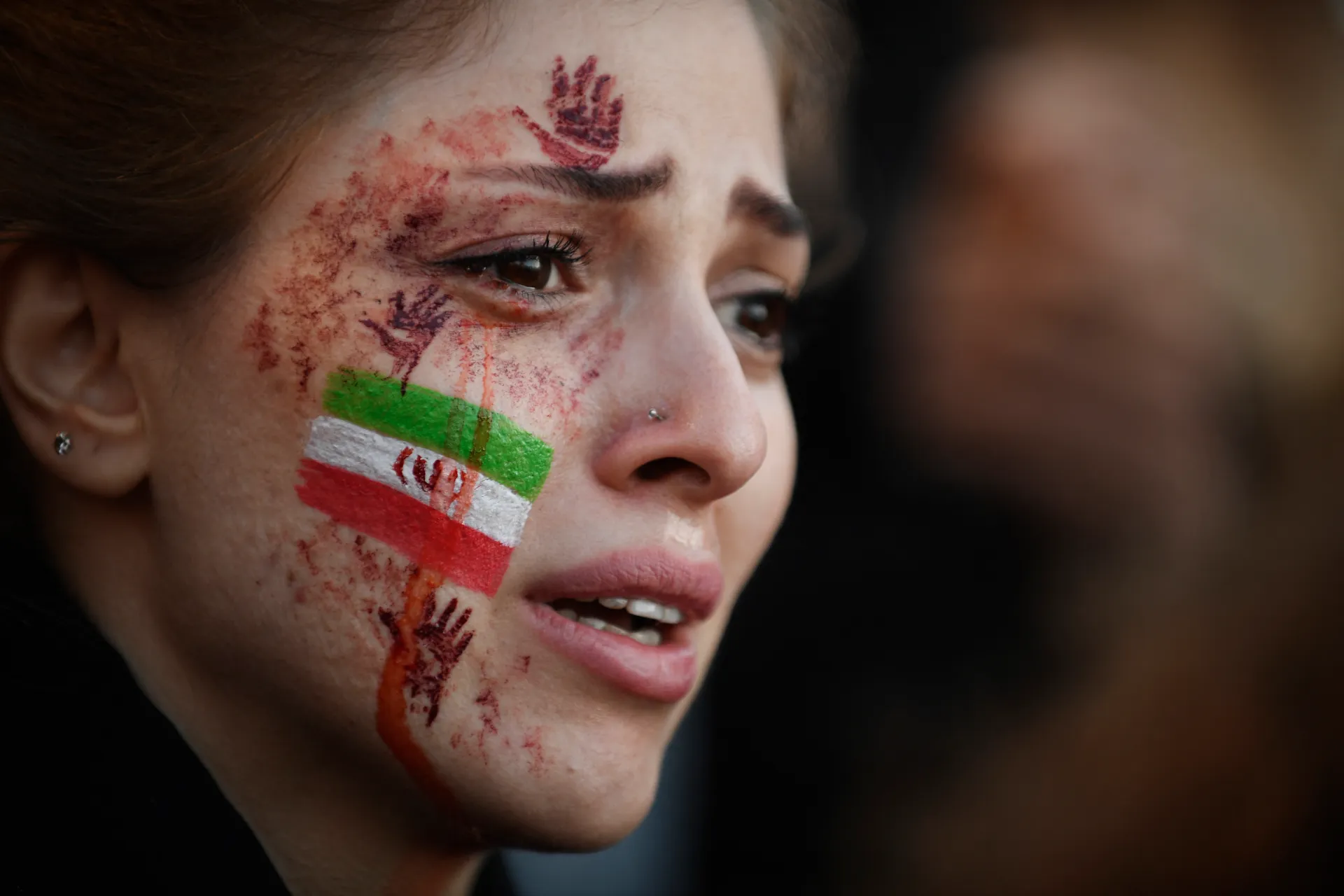
The case of eight Iranian women has triggered a fresh diplomatic exchange between the United States and Iran after claims on social media suggested that eight Iranian women faced execution risks.
According to Daljoog News analysis, the Iran eight women case shows how fast unverified digital claims can escalate into official political reactions between two countries already locked in long-standing tensions.
The Iran eight women case has gained global attention as conflicting statements from US political figures and Iranian authorities deepen uncertainty over what is fact and what is misinterpretation.
What Happened?
Iran eight women case emerged after former US President Donald Trump shared a post on his social media platform, Truth Social, referencing an activist claim about eight Iranian women allegedly facing execution.
Iran’s eight women gained momentum when Trump called for clemency and suggested that releasing the women could positively influence any future diplomatic engagement with Iran. The original post did not provide verified identities or detailed legal documentation.
Iran’s eight women case was quickly picked up by international media outlets, including Al Jazeera, which reported on the contrasting narratives emerging from Washington and Tehran.
Iran eight women case was firmly rejected by Iranian authorities. The judiciary-linked outlet Mizan Online stated on April 21 that the claims were inaccurate and misleading. Officials said some of the referenced individuals had already been released and others were not facing capital punishment.
Iran eight women case, according to Iranian legal sources, does not involve death penalties. Authorities clarified that the maximum punishments in related cases would be limited to imprisonment under existing legal procedures.
Iran eight women case has therefore become a disputed narrative, with sharply different interpretations coming from US political commentary and Iranian official statements.
Why This Matters
Iran’s eight women has developed into more than a legal discussion. It now reflects broader diplomatic sensitivity between Washington and Tehran, where even unverified claims can influence political messaging.
Iran’s eight women highlight how social media platforms can accelerate international political reactions before official verification is completed.
Iran’s eight women also underscores the role of high-profile political figures in amplifying human rights-related claims, which can quickly shift into diplomatic issues.
Iran’s eight women matter because it affects how both governments manage public perception, especially on sensitive legal and human rights topics.
Iran’s eight women further demonstrates the growing challenge of distinguishing verified legal information from politically charged narratives in real time.
What Analysts or Officials Are Saying
Iran’s eight women have received mixed interpretations from political observers and analysts across different regions.
Iran’s eight women have been framed by some US political supporters as part of broader concerns about human rights conditions in Iran, despite limited verified details.
Iran’s eight women has been dismissed by Iranian officials as misinformation, with authorities insisting that the claims distort the actual legal situation and judicial outcomes.
Iran eight women case is also viewed by independent analysts as an example of how fast misinformation can enter mainstream diplomatic discourse through social media amplification.
Iran eight women case shows how competing narratives can emerge simultaneously, creating confusion in global public understanding of legal and political events.
Daljoog News Analysis
Iran eight women case reflects the growing influence of social media in shaping international diplomacy, often before facts are fully verified by official institutions.
Iran eight women case also demonstrates how quickly political figures can transform online claims into diplomatic talking points, increasing pressure on governments to respond publicly.
Iran eight women case highlights the blurred boundary between advocacy, political messaging, and misinformation in today’s global information environment.
Iran eight women case shows that digital platforms now play a central role in triggering diplomatic reactions, even when the underlying claims remain disputed.
Iran eight women case further suggests that modern geopolitics is increasingly shaped by narrative competition, where perception can move faster than verification.
What Happens Next
Iran eight women case is expected to remain under scrutiny as both sides continue to present opposing versions of events.
Iran eight women case may prompt additional clarification from Iranian judicial authorities if international attention continues to grow.
Iran eight women case could also influence future political messaging between Washington and Tehran, particularly on human rights-related issues.
Iran eight women case remains unresolved in terms of global consensus, with competing narratives still shaping international discussion.