


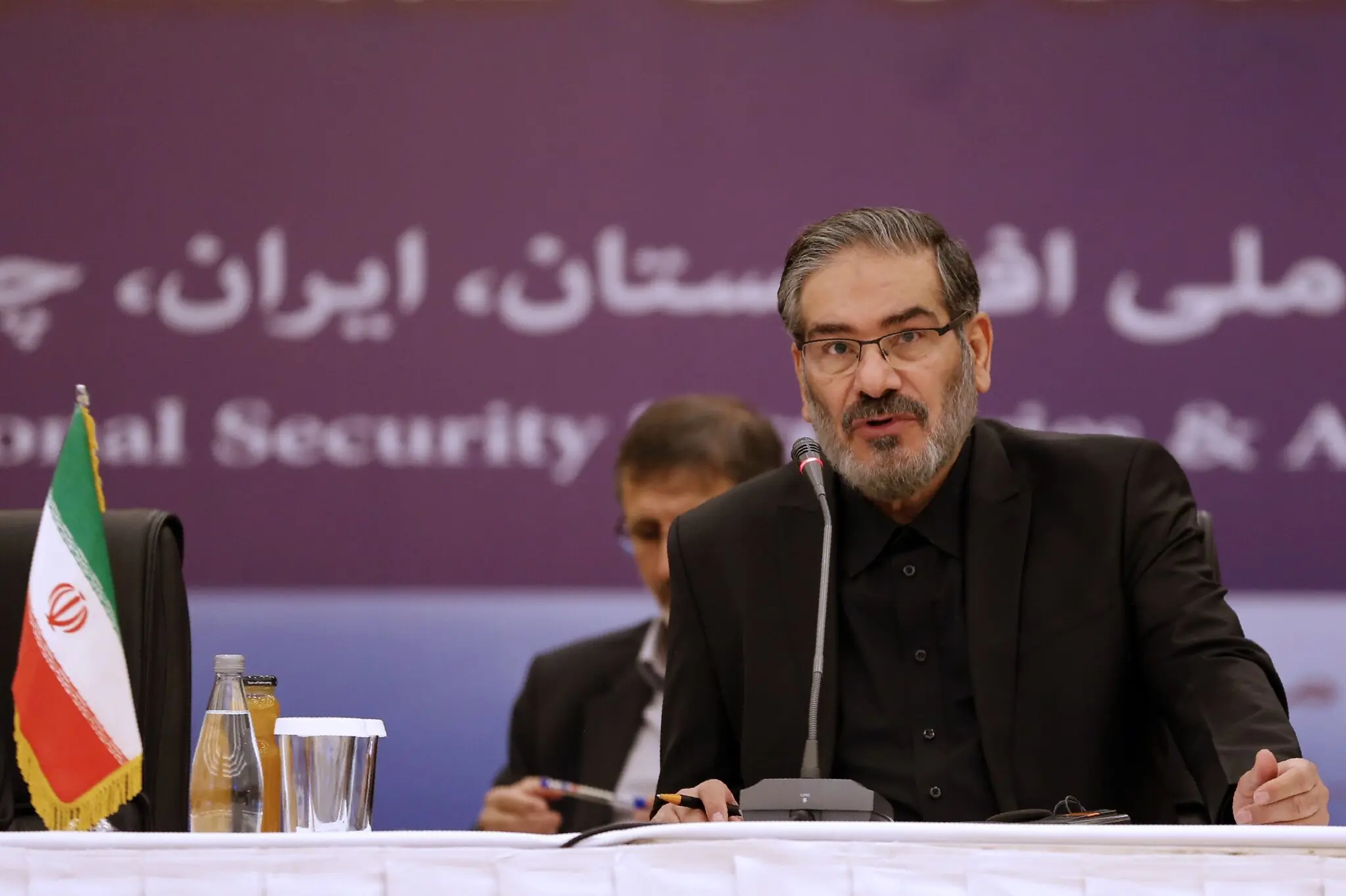
Iran’s senior defense official Ali Shamkhani, has reportedly been killed amid the ongoing U.S. and Israeli military operations targeting Tehran. Shamkhani, who served as secretary of Iran’s Supreme National Security Council, was a close advisor to Supreme Leader Ayatollah Ali Khamenei and a central figure in Iran’s strategic and security planning.
According to Daljoog News analysis, his death represents a major blow to Iran’s security hierarchy. Shamkhani played a key role in decisions regarding regional defense policies, nuclear strategy, and the coordination of Iran’s military and intelligence operations. His loss may affect Iran’s command structure at a critical time of escalating conflict.
The announcement comes as reports continue to emerge of civilian casualties from the attacks. In southern Iran, the number of students killed in an Israeli strike on a girls’ school has risen to 51, with another 60 injured, highlighting the human toll of the escalating military campaign.
What Happened?
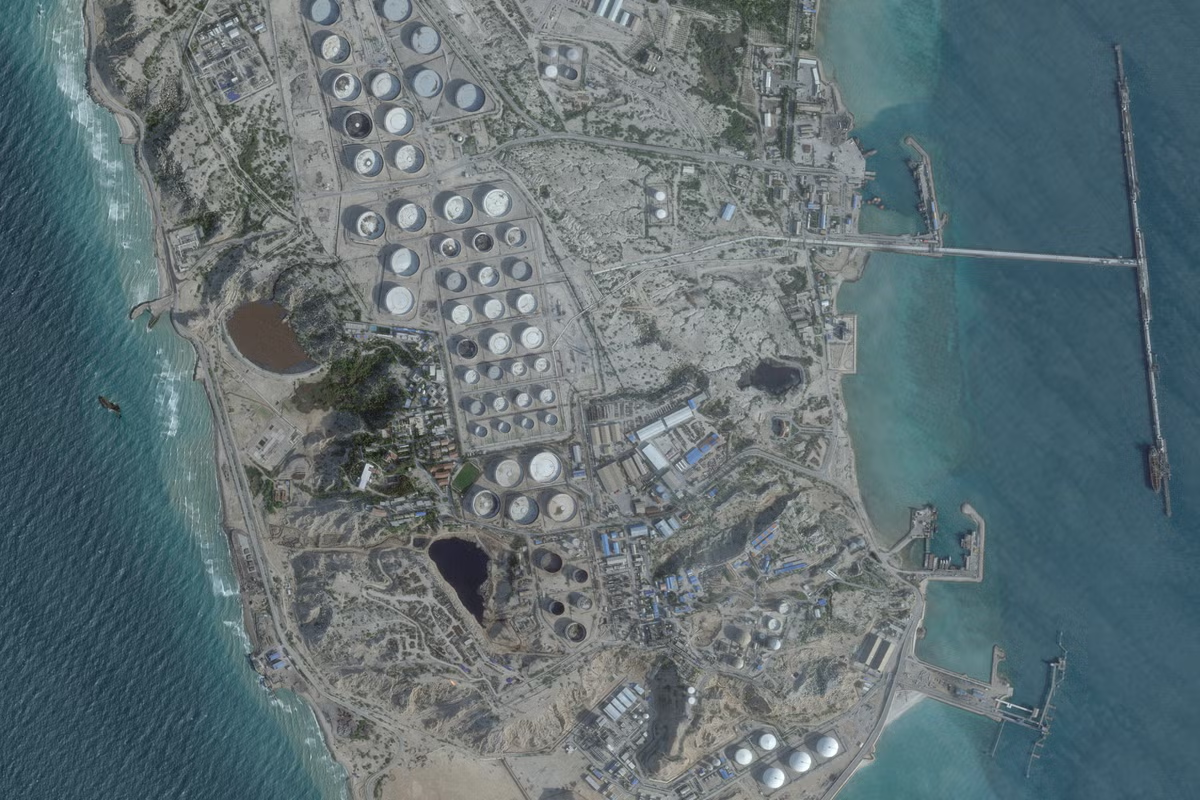
Shamkhani was targeted during U.S. and Israeli strikes aimed at Iran’s military and strategic facilities. His role as a senior advisor to Khamenei made him a high-value target, given his influence over Iran’s defense and security policies.
Iranian state media has not yet released a full official statement on the circumstances of Shamkhani’s death, leaving details sparse. Analysts note that such a loss could temporarily disrupt the chain of command within Iran’s defense apparatus.
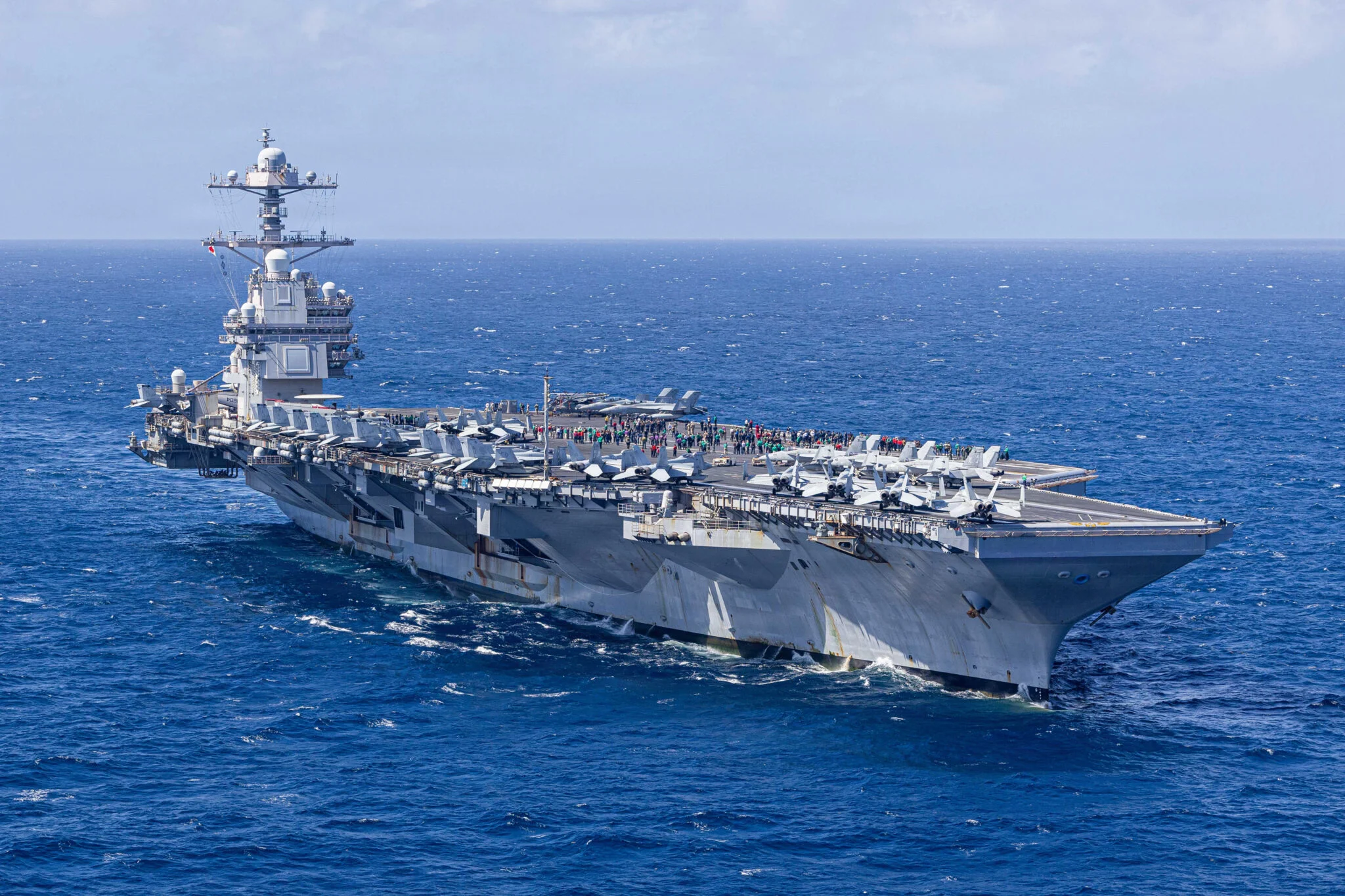
The military campaign, which has also claimed the life of Supreme Leader Khamenei, according to some reports, has triggered retaliatory missile and drone attacks across the Gulf region, targeting U.S. and allied military installations.
Why This Matters
Shamkhani’s death could significantly impact Iran’s strategic decision-making amid ongoing regional hostilities. His experience and influence were critical in coordinating military responses and shaping Iran’s defense posture, particularly regarding U.S. and Israeli operations.
For the United States and Israel, the removal of key Iranian officials may be seen as a tactical success, but it also raises the stakes for further escalation. Iran’s military and political leadership may respond aggressively, increasing regional instability.
The civilian casualties, particularly in southern Iran, add a humanitarian dimension to the conflict, amplifying international concern over the conduct of these strikes and the risk of broader Middle East escalation.
What Analysts or Officials Are Saying
Security experts emphasize that the targeting of top Iranian officials like Shamkhani represents a shift toward decapitation strategies, aiming to disrupt Iran’s command and control. However, analysts warn that such measures can provoke intensified retaliatory attacks and complicate diplomatic resolution efforts.
Regional observers note that Iran’s strategic depth has historically allowed it to absorb losses at high command levels, but the timing amid ongoing strikes could weaken operational coordination temporarily.
Daljoog News Analysis
The death of Ali Shamkhani underscores the high-stakes nature of the current U.S.-Israel-Iran confrontation. Losing a senior defense strategist at a time of heightened conflict could create gaps in Iran’s military planning, affecting missile, drone, and intelligence operations.
Meanwhile, the rising civilian death toll, particularly among schoolchildren, may influence international opinion and increase pressure on global powers to manage escalation. Shamkhani’s loss, combined with other high-profile casualties, signals that the conflict is entering a phase with potential long-term consequences for Iran’s internal security and regional posture.
What Happens Next
Iran is likely to respond to the strike with a mixture of targeted military action and heightened domestic security measures. Analysts anticipate intensified missile and drone attacks against U.S. and allied positions in the Gulf, along with possible internal measures to secure strategic command.
International observers and neighboring states are closely monitoring developments, as further escalation could disrupt air travel, shipping routes, and regional stability. The coming days will be critical in determining whether Iran can maintain cohesion within its security leadership or if the deaths of Shamkhani and other officials create vulnerabilities.