

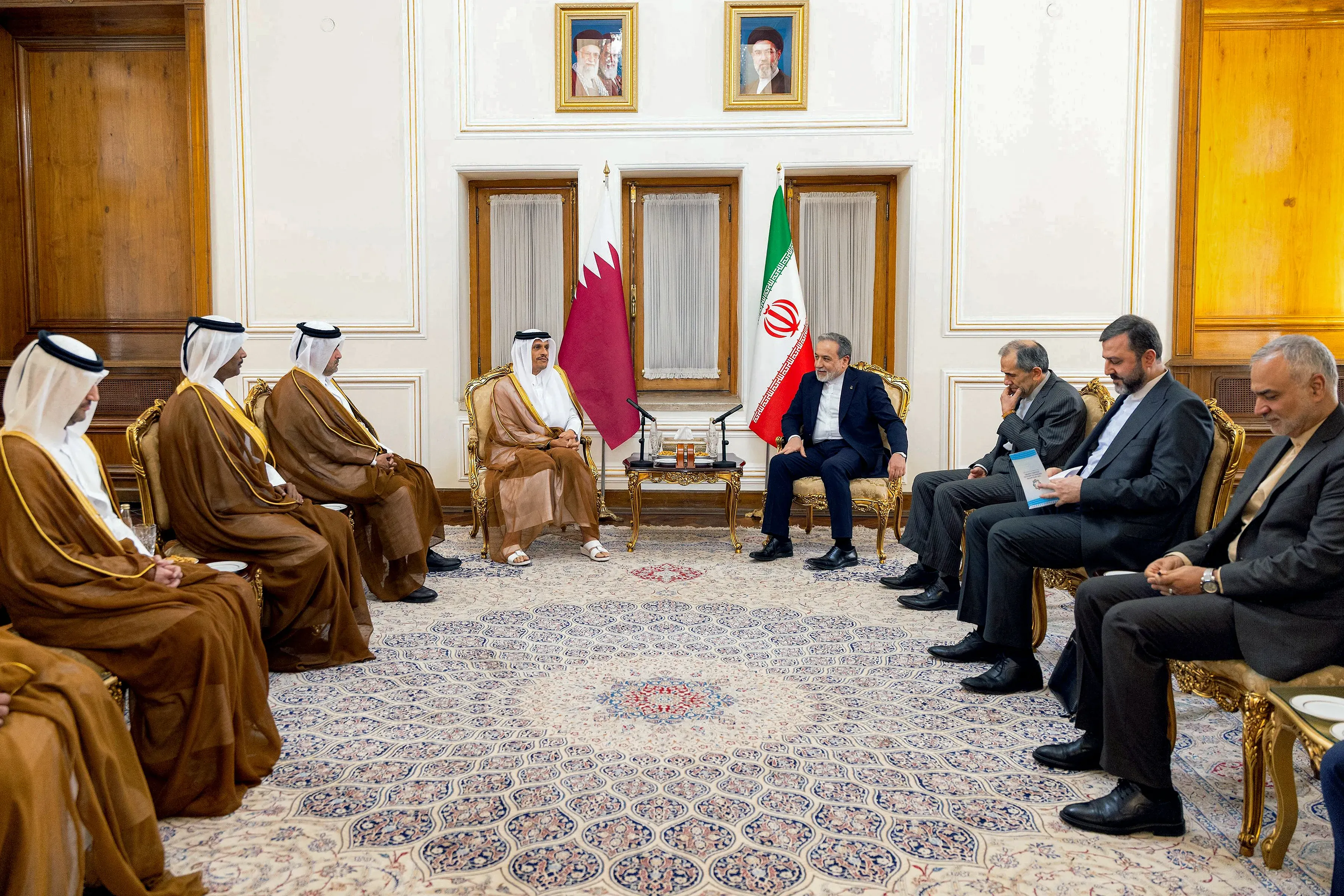
Qatar has confirmed that its diplomatic efforts between the United States and Iran are continuing as regional tensions remain high. Prime Minister Sheikh Mohammed bin Abdulrahman Al-Thani said discussions were making progress and that Washington remained interested in finding a solution even after the US midterm elections. He expressed confidence that an agreement could be reached, while urging both sides to focus on a practical settlement rather than waiting for a perfect deal.
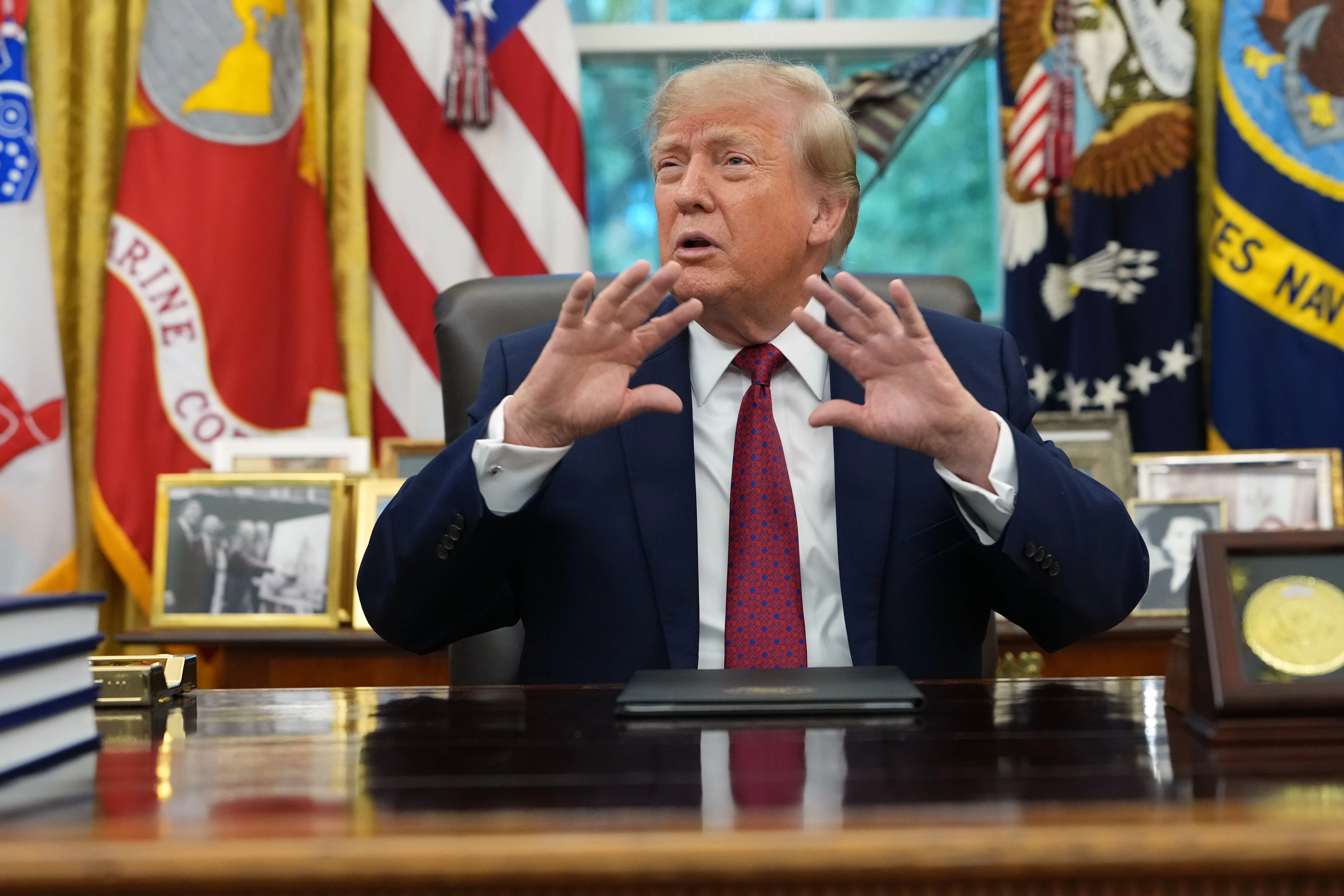
The comments came as concern increased over the possibility of renewed military action against Iran. President Donald Trump had held back from ordering new strikes in the weeks leading up to the midterm elections, but regional governments remained uncertain about what would happen afterwards. Iran has repeatedly warned that it would respond to new attacks by targeting US and Israeli interests in neighbouring countries.
Qatar has played an important role in maintaining communication between Washington and Tehran. The Gulf state has used its diplomatic relationships to help keep negotiations active and reduce the risk of a wider conflict. Al-Thani said significant progress had been made, suggesting that both sides had continued to discuss possible ways forward despite their differences.
Iran has proposed a seven-day plan that includes lifting the US blockade of Iranian ports, releasing frozen Iranian assets and reopening a route through the Strait of Hormuz. The proposal has not been accepted by Trump. The waterway is important for international energy trade, and its closure or disruption can affect oil shipments and increase costs for countries that depend on supplies from the region.
The diplomatic situation became more complicated after Iran’s semi-official Tasnim news agency reported that two missiles had struck Qeshm Island. The agency said there was no official information about possible damage, and the United States had not announced an attack inside Iran at the time of the report. The incident added to uncertainty about whether the military situation could worsen while negotiations were continuing.
Regional leaders have been trying to prevent the conflict from spreading. Qatar’s mediation efforts are part of a wider series of diplomatic contacts involving governments across the Gulf and beyond. Any agreement will need to address the nuclear programme, security concerns and the movement of energy through the Strait of Hormuz.
The latest comments from Qatar suggest that diplomacy remains active, but a final settlement has not been reached. The coming days will be important in determining whether the two sides can agree on practical steps to reduce tensions. For countries across the region, a successful agreement could help prevent further conflict and bring greater stability to trade and energy supplies.