

The Iran conflict has entered its fourth day, with missile strikes, retaliatory attacks, and reports of top leadership casualties fueling international concern. Casualties include over 500 dead in Iran, according to local sources, while the United States confirms six military personnel killed. Israel has also acknowledged civilian fatalities.
According to Daljoog News analysis, the conflict has revealed a sharply divided stance among global powers. Some countries are issuing stern condemnations, others offer cautious support to allies, and a few hint at possible future involvement.
The unfolding situation underscores the fragility of regional stability. With U.S., Israeli, and Iranian operations converging in the Gulf, even countries not directly involved are recalibrating security and diplomatic measures.
What Happened?
Since the initial strikes, Iran has launched attacks across the region, prompting immediate responses from multiple world powers. The United Kingdom has stated it is not directly participating in the U.S.-Israeli operations but allows defensive measures from British bases if necessary. Recent reports indicate a suspected drone attack on the Royal Air Force base in Cyprus, though no casualties occurred. The UK has strengthened security at its facilities and emphasized that Iran’s retaliatory strikes are reckless and target countries not directly engaged in hostilities.
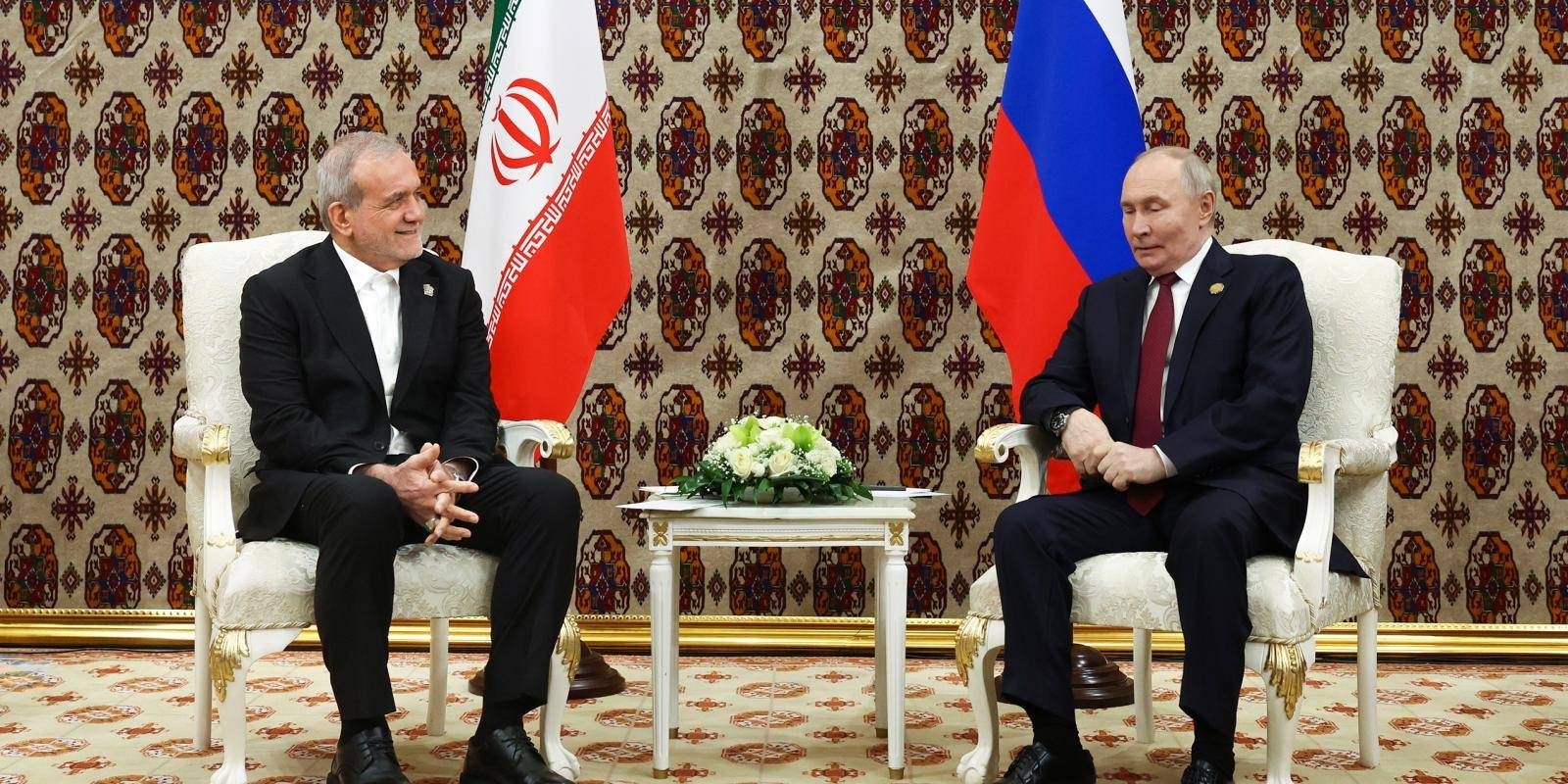
China and Russia have condemned the U.S. and Israeli military actions. Both countries criticized the killing of Iran’s top leader, describing it as a serious violation of sovereignty and international law. China called for restraint from all sides and an immediate halt to military operations, while Russia highlighted that the escalation could spread instability beyond the Middle East.
Germany has refrained from endorsing military action but voiced concern over Iran’s retaliation. Officials indicate that, under worsening conditions, Berlin may consider offering limited military support to U.S. and Israeli forces.
France publicly expressed disapproval of the top Iranian leader’s assassination but has also warned that growing regional tension threatens global peace. French leadership signaled readiness to act if allied nations request support. The European Union’s foreign policy chief described the situation as highly dangerous and emphasized that diplomatic solutions and civilian protection must remain the priority.
Italy has advocated continued diplomatic dialogue to de-escalate tensions, while Australia voiced support for U.S. measures to prevent Iran from advancing nuclear capabilities. Meanwhile, the United Nations Secretary-General warned that failure to stop the conflict could pose a significant threat to global security. The UN’s human rights chief stressed that civilians suffer most in any war, highlighting the urgent need to comply with international law and protect non-combatants.
Why This Matters
The divided response of major powers illustrates the complex geopolitical stakes. Support or condemnation from influential nations can influence the conflict’s trajectory, affect regional alliances, and shape international intervention.
A prolonged confrontation could destabilize energy markets, disrupt trade routes, and increase military tension across the Gulf. Even countries not directly involved may face economic and security consequences if hostilities continue.
What Analysts or Officials Are Saying
Analysts suggest the split international reaction reflects competing priorities: some governments aim to support allies or deter Iran’s nuclear ambitions, while others prioritize caution to avoid wider escalation. Security experts note that global divisions could embolden Iran to continue its operations, believing the international community is hesitant to intervene militarily.
Officials from NATO-aligned nations are reportedly reviewing contingency plans, including evacuation and reinforcement of military installations. Analysts caution that a single misstep could spark unintended escalation, making careful coordination and diplomacy critical.
Daljoog News Analysis
From a strategic perspective, the current standoff exposes vulnerabilities in international coordination. While some powers advocate restraint, others have signaled readiness to act under certain conditions, creating an environment where miscommunication could have serious consequences.
The conflict also demonstrates the limits of unilateral military action in a densely interconnected region. Iran’s response shows the country’s capability to project force regionally, forcing global actors to weigh both immediate and long-term risks.
Civilian protection emerges as a central concern. Reports of mass casualties in Iran, coupled with fatalities among U.S. and Israeli personnel, indicate that any miscalculation could escalate the crisis beyond the Middle East.
What Happens Next
Global powers are likely to maintain a cautious stance while monitoring the situation. Diplomatic efforts are expected to intensify, with the United Nations and EU potentially facilitating negotiations to reduce hostilities.
Military readiness in the Gulf region will remain high, with evacuations, reinforced defenses, and intelligence-sharing likely to continue. Analysts warn that a prolonged conflict could prompt broader international involvement, affecting trade, energy, and regional alliances.
The trajectory of the Iran conflict will largely depend on whether diplomacy can check military escalation and ensure civilian safety, or if retaliatory cycles push the region toward a wider confrontation.