

Tensions over Iran are escalating as Western powers signal potential coordinated support for U.S. operations in the Gulf. France, Germany, and the United Kingdom have expressed willingness to take defensive measures to protect allied interests in the region.
According to Daljoog News analysis, these declarations suggest a shift from unilateral action toward broader international involvement, raising questions about the potential for a wider regional conflict. Analysts note that the emerging coalition may alter the strategic calculations of both Tehran and Washington.
The developments follow the U.S.-Israeli airstrike on February 28, which killed Iran’s Supreme Leader Ayatollah Ali Khamenei and senior military officials, triggering Iran’s retaliatory missile attacks on Israeli territory and American bases across the Gulf.
What Happened?
Following the targeted killings in Tehran, Iran responded with multiple missile strikes against U.S. facilities in the Gulf and Israeli positions. The U.S. administration, under President Donald Trump, declared that operations in Iran would continue until strategic objectives were achieved, estimating the campaign could last up to four weeks.
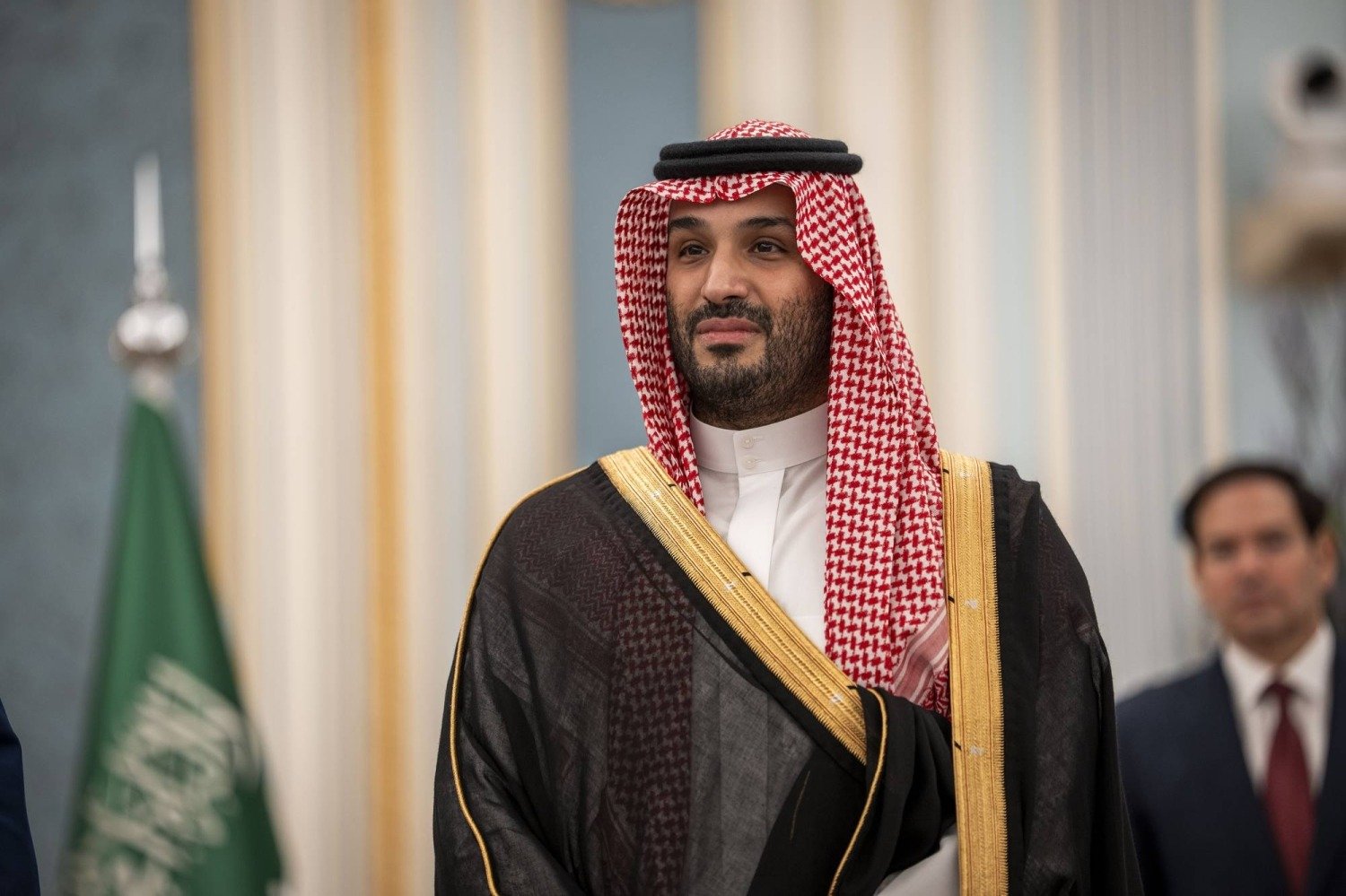
A report from the Washington Post revealed that Saudi Crown Prince Mohammed bin Salman played a key role in urging the U.S. to initiate the strikes, despite public opposition to confrontation. Analysts say the Crown Prince and Israel exerted behind-the-scenes pressure to accelerate military action.
The United Kingdom has now joined the effort indirectly, granting U.S. forces access to its bases to carry out strikes against Iranian missile infrastructure. France publicly expressed satisfaction over the elimination of Khamenei and, along with Germany and the UK, announced readiness to take defensive action to protect European and Gulf allies.
Why This Matters
The potential formation of a Western coalition against Iran signals a significant shift in regional geopolitics. Coordinated defensive measures could include targeting Iranian missile and drone capabilities, heightening the risk of miscalculation and broader military escalation.
For Gulf states, the presence of multiple Western powers adds both security assurances and new vulnerabilities. Military engagement by a broader coalition could quickly expand the theater of conflict beyond Iran and Israel, affecting trade, energy routes, and civilian populations.
What Analysts or Officials Are Saying
Security experts suggest that behind-the-scenes pressure from Saudi Arabia and Israel reflects long-standing concerns about Iran’s regional influence and nuclear ambitions. Analysts caution that coalition involvement could provoke Iran to intensify missile and drone strikes, potentially drawing in additional regional and global actors.
Officials from France, Germany, and the UK emphasize that any action will be defensive and targeted. Nonetheless, analysts warn that any direct strike on Iranian territory, especially involving a coalition, risks escalating the conflict into a wider regional war.
Daljoog News Analysis
Strategically, Western coordination against Iran represents both deterrence and risk. While signaling a united front may pressure Tehran, it also increases the stakes for miscalculations that could rapidly spiral into extended conflict.
The involvement of multiple powers underscores the high geopolitical stakes in the Gulf, where military, energy, and diplomatic dimensions intersect. Analysts note that Iran’s capability to retaliate against U.S., Israeli, and allied positions remains significant, and any coalition action could provoke unpredictable consequences.
This development also highlights the complex interplay of regional influence. Saudi Arabia’s active role behind the scenes demonstrates how Gulf powers can shape the timing and scope of U.S. military action, further complicating efforts to maintain stability.
What Happens Next
Observers expect continued coordination between the U.S., Israel, and Western allies while closely monitoring Iran’s responses. Defensive and preemptive measures are likely to be prioritized, including enhanced missile defense and intelligence-sharing across the Gulf.
Diplomatic channels may intensify as European and regional leaders seek to prevent escalation, even as military readiness remains high. Analysts warn that a full-scale coalition operation against Iran could rapidly destabilize the region, drawing in other countries and disrupting global energy and trade networks.
The coming days will be critical in determining whether the conflict remains contained or evolves into a broader confrontation involving multiple Western powers.