


On the tenth day of escalating attacks against Iran, Israeli forces targeted the office of the country’s newly appointed Supreme Leader, marking a first since the leadership transition.
According to Daljoog News analysis, the strikes reflect Israel’s and the U.S. strategy to pressure Iran’s political and military infrastructure while signaling determination to weaken Tehran’s regional influence.
The attacks come as Israel also carried out operations against Hezbollah positions in Lebanon, highlighting the widening regional impact of the ongoing conflict.
What Happened?
Israeli military officials confirmed on Monday that airstrikes hit central Iran, specifically targeting administrative buildings linked to the new Supreme Leader’s office. The operation is part of a broader campaign following coordinated U.S. and Israeli strikes across Iran over the past ten days.
The ongoing air campaign has reportedly resulted in at least 1,200 Iranian casualties, with hundreds more wounded. Key urban areas and infrastructure have been affected, intensifying concerns over civilian safety and regional stability.
Why This Matters
The attacks signal a major escalation in U.S.-Israel-Iran tensions. By striking the office of the Supreme Leader, Israel is directly challenging Iran’s political authority, which could provoke further retaliation and complicate diplomatic efforts.
Regional energy markets and trade routes are also at risk, as Iran’s central infrastructure faces sustained bombardment. Neighboring countries, including Lebanon and Gulf states, are closely monitoring the situation for security spillover.
The human cost is significant. Hospitals are reportedly overwhelmed, and the impact on daily life in targeted cities is severe, raising international concern about humanitarian consequences.
What Analysts or Officials Are Saying
Experts note that these strikes demonstrate a shift in strategy toward high-value political and administrative targets, rather than solely military installations. Analysts warn that targeting leadership offices could harden Iran’s stance and lead to prolonged conflict.
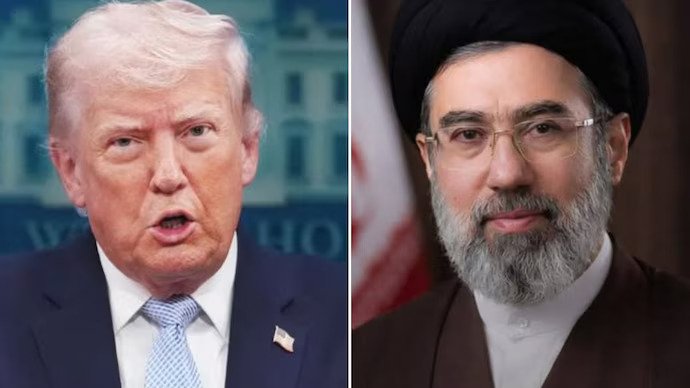
U.S. President Donald Trump has stated that the attacks will continue until Iran surrenders unconditionally, underscoring the administration’s aggressive posture. Observers caution that this rhetoric increases the likelihood of escalation rather than resolution.
Daljoog News Analysis
Targeting the office of Iran’s Supreme Leader represents both a symbolic and strategic move. While it pressures Tehran, it also risks inflaming nationalist sentiment and consolidating support for the new leader domestically.
The combined U.S.-Israeli operations illustrate how regional conflicts are increasingly multi-front, with military actions extending across borders into allied territories like Lebanon. The human and political stakes are high, and miscalculations could trigger wider instability in the Middle East.
What Happens Next
The coming days are likely to see continued Israeli and U.S. strikes if Iran does not meet demands. International diplomatic efforts may intensify, with regional actors and global powers seeking to de-escalate tensions.
Monitoring of civilian safety, humanitarian access, and potential retaliatory strikes from Iran or allied groups like Hezbollah will remain crucial. Updates on the evolving conflict and its regional impact will continue on the Daljoog News.