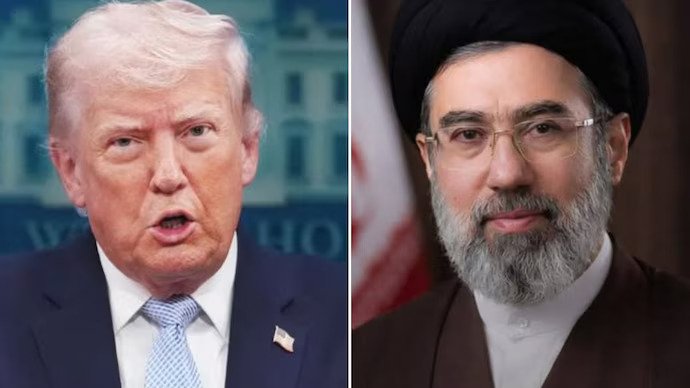



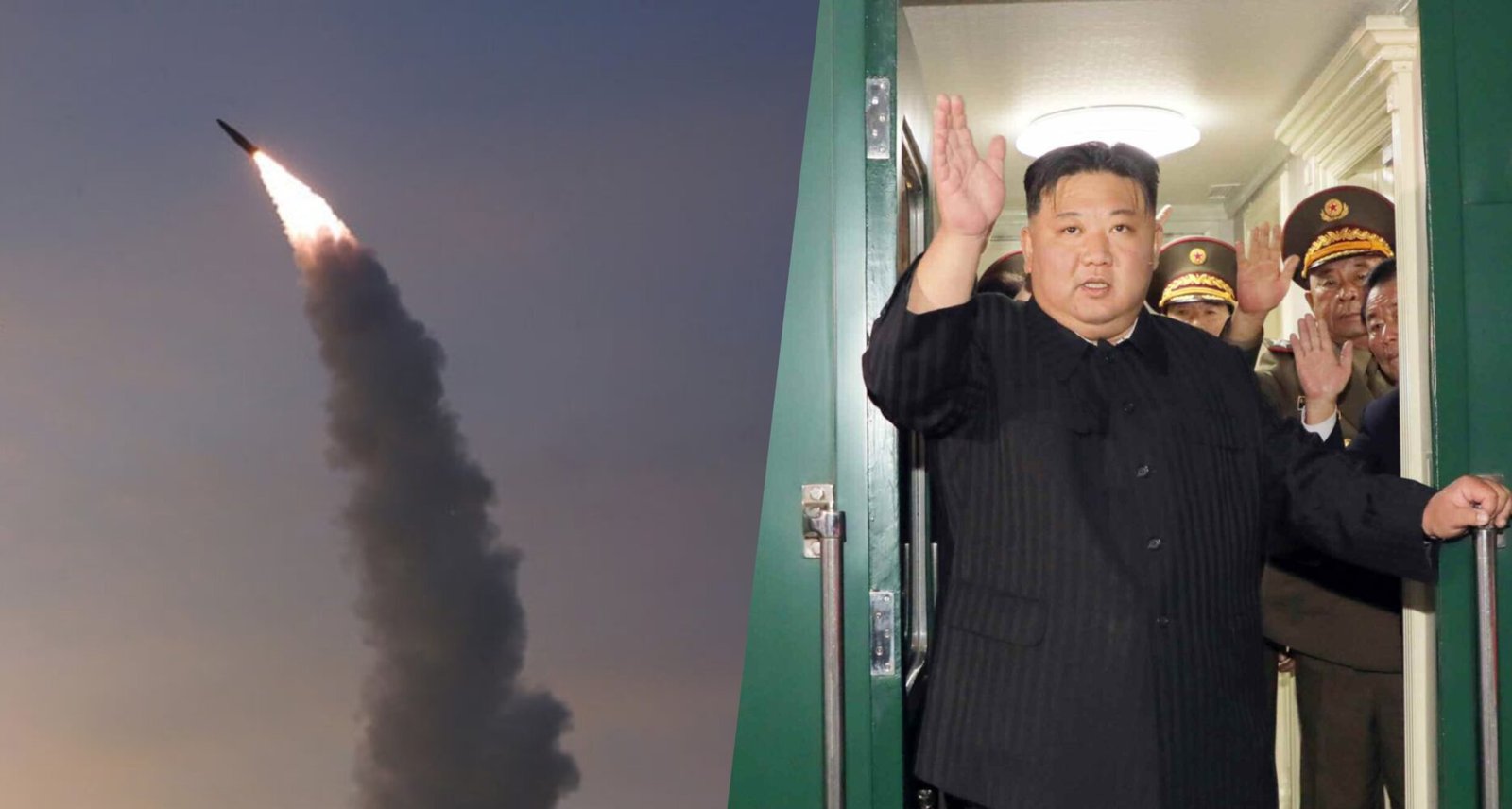
North Korean leader Kim Jong Un has launched a powerful cruise missile amid escalating military tensions in the Middle East. The missile test comes as Iran continues retaliatory strikes against U.S. and Israeli operations, following the appointment of its new Supreme Leader, Mojtaba Khamenei.
According to Daljoog News analysis, Kim’s missile launch signals Pyongyang’s support for Tehran while sending a direct warning to Washington and Tel Aviv. The move reflects North Korea’s ongoing strategy of asserting its nuclear and missile capabilities on the global stage.
The timing is significant. With Iran under pressure from U.S. attacks, Kim’s actions emphasize both military solidarity with Iran and North Korea’s readiness to showcase its nuclear-capable arsenal in international waters.
What Happened?
Following U.S. and Israeli strikes on Iranian targets, Kim Jong Un ordered a long-range cruise missile launched from a destroyer. The test, the longest-running of its kind in the past three years according to the Korean Central News Agency, is intended to evaluate command, control, and naval deployment readiness.
Kim publicly expressed support for Iran’s new Supreme Leader Mojtaba Khamenei and condemned U.S. and Israeli operations as unlawful and destabilizing. The missile demonstration serves as a direct challenge to Washington and Tel Aviv, highlighting Pyongyang’s willingness to assert its military presence despite international scrutiny.
Why This Matters
The missile launch raises regional and global security concerns. It underscores the interconnectedness of military conflicts in the Middle East and East Asia, where alliances and strategic messaging can escalate tensions far beyond the immediate battlefield.
For the U.S. and Israel, the test demonstrates that actions against Iran could prompt wider responses from aligned nations like North Korea. This dynamic adds a layer of complexity to military planning and diplomatic negotiations, particularly regarding nuclear capabilities and missile proliferation.
What Analysts or Officials Are Saying
Security analysts note that Kim’s move serves multiple purposes: it signals support for Iran, tests North Korea’s naval missile readiness, and sends a warning to the U.S. and Israel. Observers suggest that such demonstrations are meant to enhance deterrence while asserting Pyongyang’s strategic relevance on the world stage.
Officials have emphasized that North Korea’s missile activities require careful monitoring, as they could influence U.S. military deployments in the Pacific and Middle East. Analysts also point out that repeated tests over the past three years indicate a steady acceleration of Pyongyang’s weapons development program.
Daljoog News Analysis
Daljoog News assesses that Kim Jong Un’s missile launch is both a tactical and symbolic maneuver. It supports Iran amid ongoing U.S.-Israel military operations while reinforcing North Korea’s reputation as a nuclear-capable power willing to intervene indirectly in global conflicts.
The move also illustrates the global ripple effects of regional wars. A conflict in the Middle East has prompted a show of force from East Asia, highlighting the strategic interconnections between geographically distant theaters of military tension.
What Happens Next
Observers will closely monitor the Middle East and East Asia for potential escalation, particularly in U.S. and allied responses. North Korea may conduct further missile tests, while Iran could continue its retaliatory strikes.
Diplomatic efforts are likely to intensify behind the scenes as global powers seek to prevent a wider conflagration. The coming weeks will reveal whether these shows of force succeed in deterring further U.S. or Israeli action or if they further heighten the risk of broader conflict.