
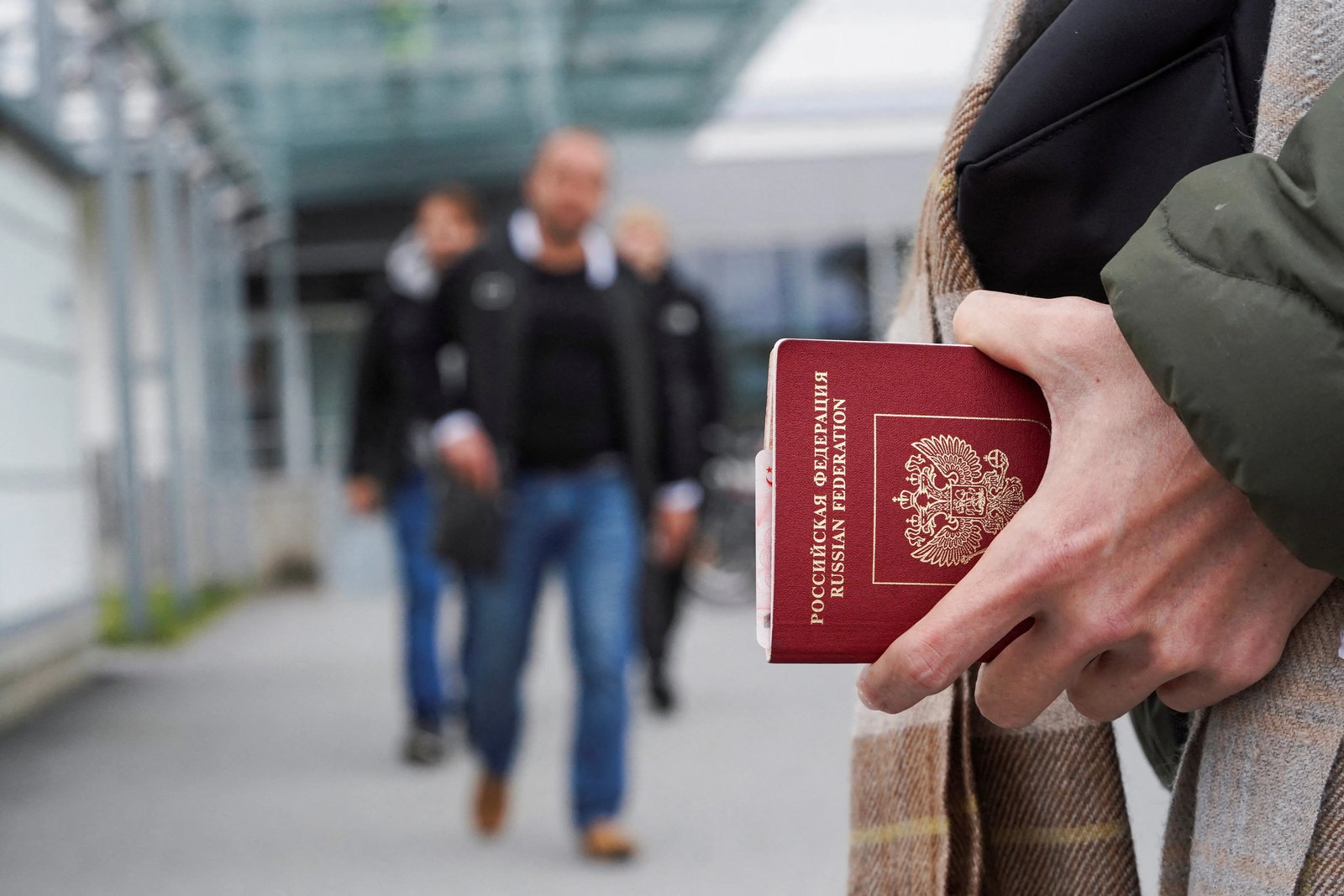
Latvia has called for a wider European Union ban on tourist visas for Russian citizens, arguing that tighter travel rules could help reduce security risks. Latvian Prime Minister Andris Kulbergs says European countries should take a stronger approach to what he describes as hybrid threats linked to Russia, including espionage and other hostile activities.
The proposal has reopened a debate inside the EU over how to balance security with travel rights. Some European governments have continued to issue visas to Russian citizens, while others have imposed tighter restrictions since Russia launched its full-scale invasion of Ukraine. Latvia argues that a common policy would prevent gaps between national systems.
Supporters of stricter rules say Europe faces growing risks from espionage, sabotage and other operations that may be difficult to attribute directly to a state. Countries along the EU’s eastern border are particularly concerned because they are geographically close to Russia and Belarus. Latvian officials want stronger border controls and more financial support for states facing these pressures.
Other governments may be reluctant to support a blanket ban. They could argue that individual travellers should not automatically be treated as security threats because of their nationality. A broad restriction could also affect family visits, students and people who have opposed the Russian government.
The EU has often struggled to agree on common responses to Russia. Member states have different economic interests, public attitudes and security concerns. A proposal that is popular in one country may face resistance elsewhere, particularly if it affects tourism or diplomatic contact.
The debate is also linked to sanctions. European governments have imposed restrictions on Russian individuals, companies and sectors of the economy. Some countries want stricter enforcement, while others worry that further measures could increase costs or make it harder to maintain communication.
Latvia is seeking a stronger collective response, but any EU-wide change would require agreement among member states. Governments would need to define which travellers could be exempted and how applications would be assessed. They would also need to consider how the policy fits with existing rules and international obligations.
The proposal illustrates the wider security choices facing Europe as the war in Ukraine continues. Governments want to protect their borders and prevent hostile activity, but they must also decide how far restrictions should extend. The debate over visas is likely to continue as EU leaders weigh security concerns against legal, economic and humanitarian considerations.