

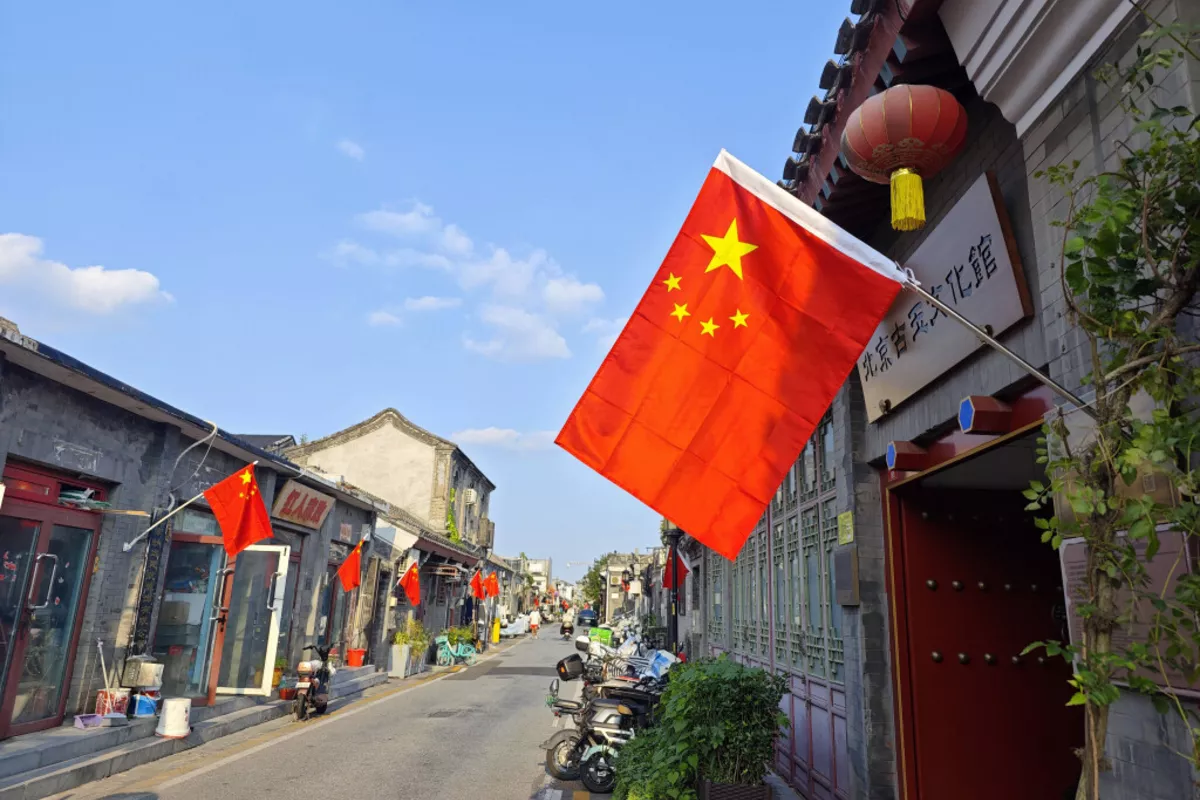
China has announced $200,000 in emergency humanitarian aid to Iran following a missile strike that targeted a primary school in Minab, killing scores of children. The announcement marks Beijing’s rare public intervention in the ongoing Middle East conflict.
According to Daljoog News analysis, the aid signals China’s strategic support for Iran amid U.S.-Israeli military operations, while emphasizing humanitarian priorities. Beijing’s involvement also underscores the global attention the conflict is attracting beyond regional borders.
The Minab school attack, one of the deadliest in recent weeks, has intensified the humanitarian crisis in southern Iran. China’s pledge highlights the growing role of international actors in responding to civilian casualties during the escalating war.
What Happened?
On February 28, 2026, a missile strike hit a primary school in Minab, southern Iran, killing at least 165 students and injuring many more. Reports suggest the strike occurred during the early phase of joint U.S.-Israeli military operations targeting strategic locations across Iran.
In response, China’s Ministry of Foreign Affairs announced on March 13 that it will provide $200,000 in humanitarian aid to the affected families via the Iranian Red Crescent, with the Chinese Red Cross coordinating the transfer. Chinese officials described the aid as compensation and support for families who lost children in the attack.
A spokesperson for the ministry, Gu Zhiakun, labeled the strike a serious violation of international humanitarian law, noting that targeting schools and innocent children crosses basic moral and legal boundaries.
Why This Matters
The humanitarian aid reflects China’s intent to position itself as a protector of civilian populations, even amid complex geopolitical conflicts. It also underscores Beijing’s careful balancing act: opposing the violence while maintaining strategic relations with Iran.
For Iran, the aid offers both financial support and symbolic backing from a major global power. For the broader Middle East, it signals that the conflict is drawing in outside powers, potentially altering regional dynamics and global perceptions of accountability for civilian harm.
What Analysts or Officials Are Saying
Analysts suggest that China’s move is both humanitarian and political. By publicly supporting Iranian civilians, Beijing strengthens its diplomatic influence in the Middle East and asserts itself as a counterbalance to U.S.-Israeli military actions.
Gu Zhiakun stressed the need for all parties to respect national sovereignty and immediately halt military operations. Analysts note this reflects China’s long-term diplomatic approach: advocate for dialogue and de-escalation while projecting support to allies under duress.
International observers warn that ongoing attacks against civilian infrastructure in Iran risk further escalation. Civilian casualties may increase global pressure on all actors involved, including Beijing, to mediate or intervene diplomatically.
Daljoog News Analysis
Daljoog News assesses that China’s pledge highlights the increasingly complex geopolitical dimensions of the conflict. While the immediate focus is humanitarian, the broader implications involve strategic influence, signaling to both regional powers and the international community that Beijing is actively monitoring the conflict.
This incident also illustrates the humanitarian consequences of high-intensity warfare. With over 1,300 reported deaths and more than 100,000 injuries since February 28, civilian safety remains a pressing concern. China’s aid, though modest relative to the scale of the crisis, is likely intended to demonstrate moral responsibility while reinforcing bilateral ties with Iran.
What Happens Next
Humanitarian aid will be channeled through the Iranian Red Crescent to affected families. Analysts predict that China may continue monitoring the conflict and expand assistance if civilian casualties increase.
Meanwhile, international attention is likely to grow, particularly regarding the legality of attacks on civilian facilities. Continued U.S.-Israeli operations could provoke further foreign humanitarian responses, while diplomatic pressure for ceasefires and negotiations may intensify.