

Iran has reportedly launched a missile strike targeting one of Israel’s largest power plants, located in Hadera along the Mediterranean coast. International outlets, including the BBC, have verified the reports.
According to Daljoog News analysis, the attack signals an escalation in Iran’s approach to targeting critical infrastructure, aiming to pressure Israel strategically while testing defense responses.
The timing is notable as the Hadera facility is a key energy asset, recently converted from coal to gas in 2022, making it a central part of Israel’s energy grid and national power supply.
What Happened?
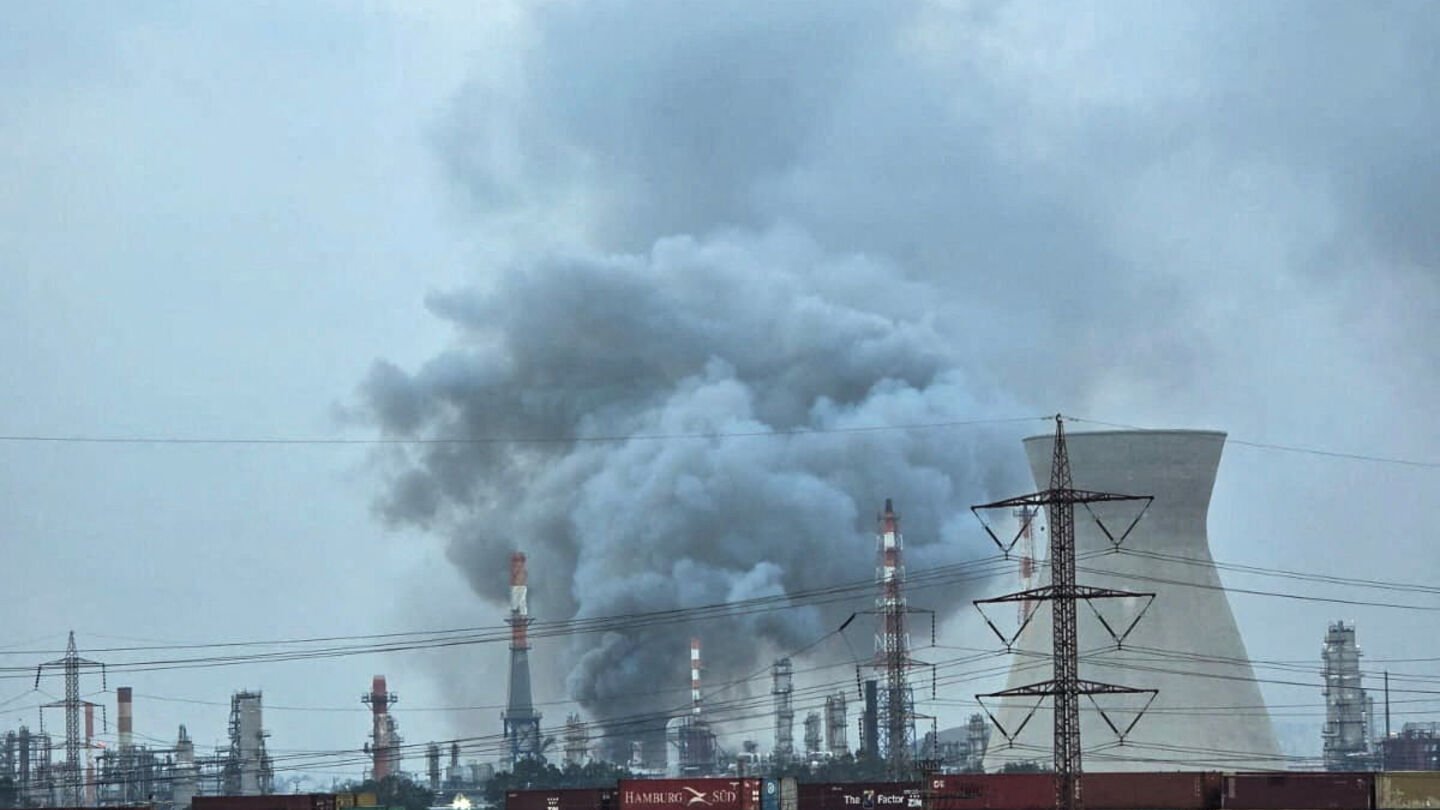
Video footage circulating online shows smoke rising from a cooling tower at the Hadera power plant following the missile strike. Satellite images have also confirmed the location, with reverse image searches validating that the footage is recent.
The Israeli Electric Corporation later confirmed that the ballistic missile attack caused no structural damage to the facility. Officials reported that the plant’s infrastructure and operations remain intact.
Hadera is one of Israel’s largest power generation sites, and the 2022 conversion from coal to gas made it more energy-efficient while increasing its strategic importance for the country’s electricity supply.
Why This Matters
Targeting critical energy infrastructure represents a strategic escalation, as such facilities are vital to national security and daily life. Even a minor disruption could affect power supply and industrial operations across northern and central Israel.
While the plant reportedly sustained no damage, the attack demonstrates the potential vulnerability of high-value infrastructure to ballistic missiles. This raises concerns about preparedness and response strategies for similar threats.
The strike also underscores the broader geopolitical tensions in the region, where Iran and Israel continue to engage in indirect confrontations and targeted attacks.
What Analysts or Officials Are Saying
Defense analysts suggest that the missile launch may be intended more as a show of capability than a direct attempt to cause destruction. The ability to reach critical infrastructure with precision missiles signals a strategic message to Israel.
Security experts emphasize that even if no damage occurred, repeated attempts on energy assets could have serious consequences, requiring Israel to strengthen protective measures around key installations.
Officials have also highlighted the role of advanced monitoring, such as satellite imagery, in confirming attacks and assessing potential risks to national assets.
Daljoog News Analysis
The Hadera strike highlights the evolving nature of regional conflicts, where energy and infrastructure are increasingly in focus. While immediate damage was avoided, the symbolic impact is significant, demonstrating Iran’s ability to target strategic facilities.
Israel’s preparedness and resilience in this case prevented operational disruption, but the incident may trigger further investments in defensive measures, including missile interception and early-warning systems.
It also raises questions about escalation control, as targeting civilian infrastructure can provoke broader responses and complicate diplomatic efforts.
What Happens Next
Israel is likely to review security protocols at all critical energy facilities and may increase defensive deployments around strategic sites. Monitoring for subsequent attacks will remain a priority.
Regional tensions could intensify as both sides gauge each other’s capabilities, with potential implications for civilian infrastructure security and energy supply stability.
Observers will continue to track developments closely to assess whether this strike marks a temporary escalation or the start of a sustained targeting strategy.