

China and Pakistan have signaled stronger alignment with Iran as tensions escalate in the Middle East, following reported U.S. and Israeli pressure on Tehran. Beijing confirmed that coordination with Islamabad will increase in response to the evolving situation.
According to Daljoog News analysis, this emerging alignment reflects a broader strategic shift, where regional and global powers are positioning themselves more clearly in response to rising geopolitical risks.
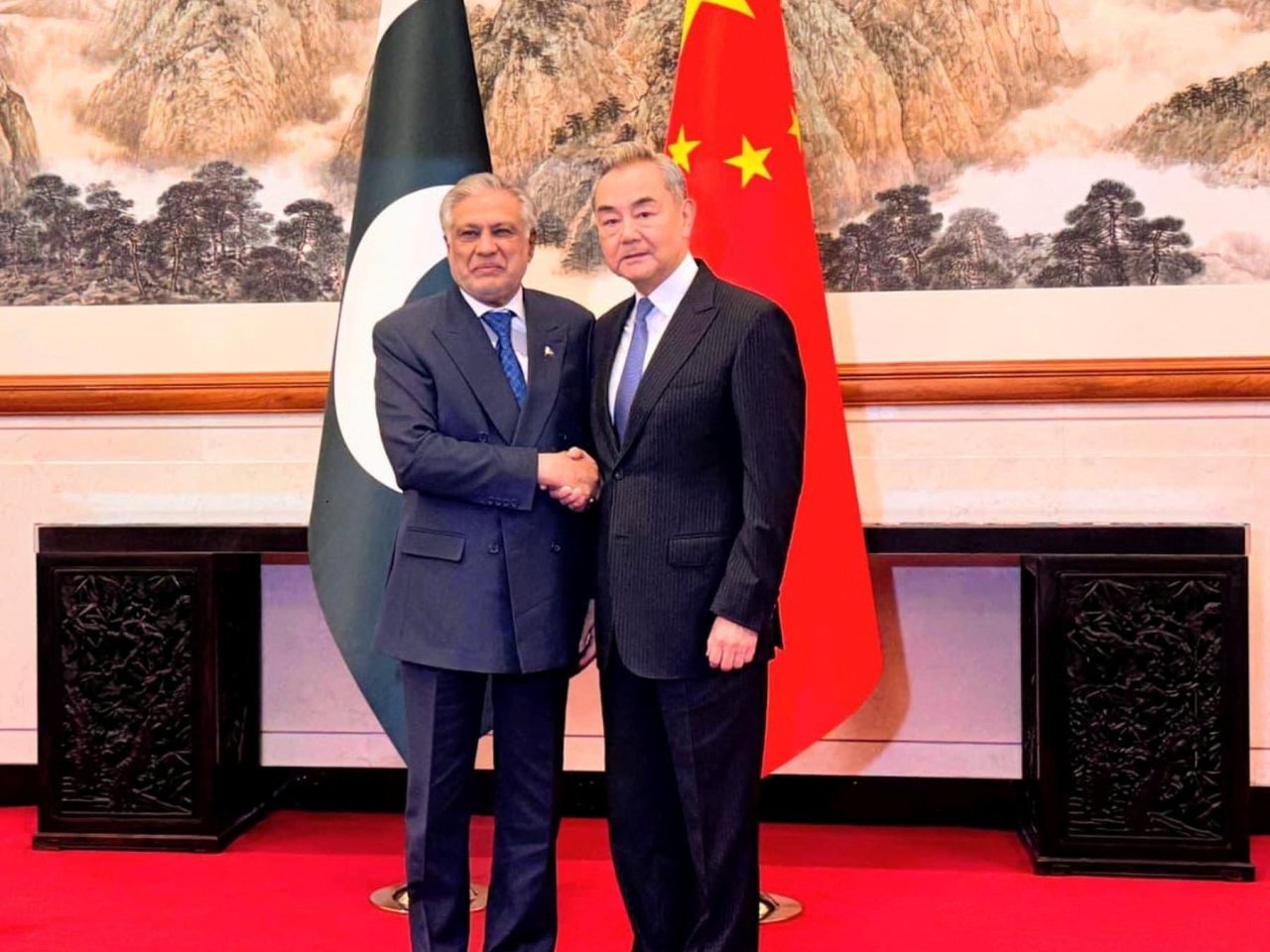
The development comes at a sensitive moment, with high-level Pakistani officials visiting Beijing, underscoring the urgency and importance of coordinated diplomatic messaging.
What Happened?
China’s Foreign Ministry announced that Beijing and Islamabad will deepen communication and coordination regarding the situation involving Iran. The statement followed reports of heightened tensions linked to U.S. and Israeli actions targeting Iranian interests.
During a press briefing, Chinese Foreign Ministry spokesperson Mao Ning indicated that both countries are preparing to strengthen strategic engagement. The focus, she suggested, will include closer diplomatic coordination and efforts aimed at stabilizing the situation.
The announcement coincided with an official visit by senior Pakistani representatives to China’s capital. This timing suggests that the issue of Iran has become a central topic in bilateral discussions between the two long-standing partners.
China also described Pakistan as a key strategic partner under all circumstances, reinforcing the depth of their relationship. The language used reflects a consistent pattern in Beijing’s diplomacy, where long-term alliances are emphasized during periods of instability.
Why This Matters
The joint stance by China and Pakistan introduces a new layer of complexity to an already tense regional environment. Iran, facing pressure from Western and Israeli actions, may find diplomatic and strategic support through this alignment.
For China, maintaining stability in the Middle East is closely tied to its economic interests, including energy security and trade routes. Any escalation involving Iran could disrupt these priorities, making diplomatic engagement a necessity rather than a choice.
Pakistan’s involvement also carries weight. As a regional player with its own security concerns and close ties to China, Islamabad’s position can influence broader regional calculations. Its support signals that the situation is not isolated but part of a wider geopolitical contest.
This alignment may also affect how other global actors respond. Countries observing the situation could adjust their strategies based on the perception of a growing bloc supporting Iran, potentially leading to further polarization.
What Analysts or Officials Are Saying
Analysts view the move as a calculated effort by China to prevent escalation while safeguarding its strategic interests. By coordinating with Pakistan, Beijing strengthens its diplomatic leverage without direct military involvement.
Officials familiar with regional dynamics suggest that the emphasis on peace initiatives reflects China’s preference for stability, even as it signals support for Iran. This dual approach allows Beijing to maintain a balanced position.
Observers also note that Pakistan’s role may extend beyond symbolic support. Its close ties with both China and key Muslim-majority countries could position it as a diplomatic bridge in efforts to de-escalate tensions.
At the same time, some experts caution that such alignments can deepen divisions, especially if opposing blocs interpret them as strategic challenges rather than stabilizing efforts.
Daljoog News Analysis
The coordinated messaging from China and Pakistan points to a gradual but clear shift in global power dynamics. Rather than remaining neutral observers, both countries are signaling readiness to engage more actively in shaping outcomes in the Middle East.
China’s approach appears carefully calibrated. It avoids confrontation while reinforcing alliances that can influence the strategic environment. This reflects a broader pattern in Beijing’s foreign policy, where economic and diplomatic tools are prioritized over military involvement.
Pakistan’s alignment adds another dimension. Its support may not dramatically alter the balance of power on its own, but it contributes to a narrative of growing backing for Iran beyond its immediate regional allies.
However, the situation remains fragile. Increased coordination among major players can either stabilize tensions through diplomacy or intensify competition if misinterpreted. The outcome will depend on how effectively these efforts translate into meaningful de-escalation.
What Happens Next
In the coming days, diplomatic activity is expected to increase as China and Pakistan engage with other regional and global actors. Their stated focus on coordination suggests ongoing discussions behind closed doors.
Iran’s response will also be closely watched. Stronger backing from China and Pakistan could influence Tehran’s strategic decisions, including its approach to negotiations or retaliation.
Meanwhile, the United States and its allies are likely to monitor these developments carefully. Any indication of a shifting balance of support could lead to adjustments in policy or military posture.
The situation remains fluid, with multiple possible paths. A coordinated diplomatic push could ease tensions, but miscalculations or competing interests could just as easily push the region toward further instability.