

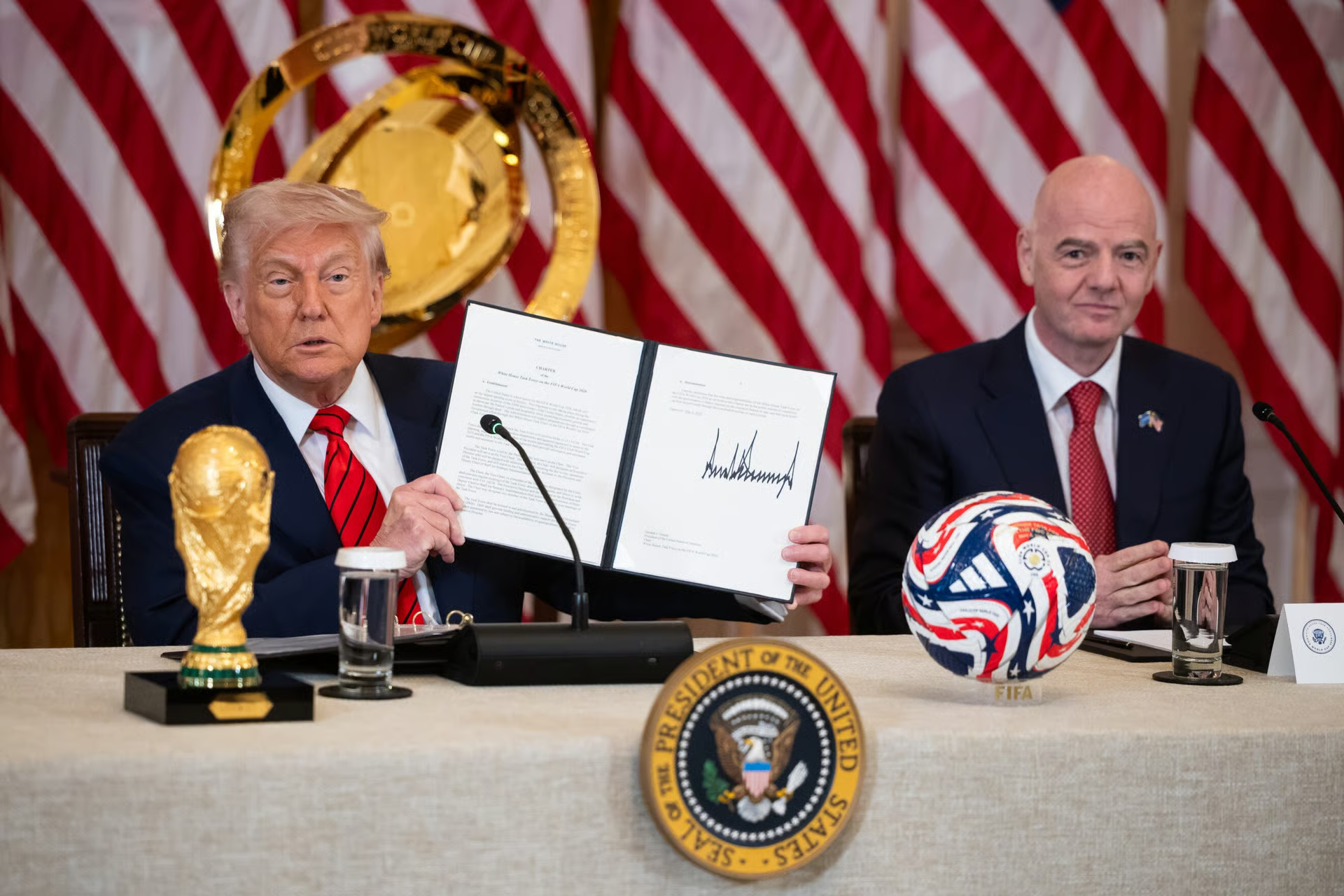
The 2026 FIFA World Cup, set to be hosted mainly in the United States, is generating unprecedented excitement among millions of football fans. Yet the tournament is also drawing serious scrutiny over human rights conditions.
According to Daljoog News analysis, reports from Amnesty International highlight mass deportations, militarised security measures, and the displacement of vulnerable populations, raising questions about whether the event can remain inclusive and safe for all attendees.
As organisers prepare for the kickoff, scrutiny is mounting in multiple host countries, including the U.S., Mexico, and Canada, reflecting broader concerns about political pressures and public safety during major sporting events.
What Happened?
Amnesty International reports that over the past year, roughly 500,000 people have been deported from the U.S., including many undocumented families living near the World Cup’s venues. Stadiums such as MetLife are set to host crowds up to six times their normal capacity, intensifying concerns about public safety and crowd management.
Aggressive immigration enforcement and law enforcement presence around key fan zones have created anxiety among football supporters, particularly those from migrant communities. While FIFA promised an inclusive, safe, and welcoming tournament eight years ago, the current environment contrasts sharply with those commitments.
Across the U.S.–Mexico border, the Mexican government has announced the deployment of approximately 100,000 security personnel, including 20,000 military, to manage World Cup-related events. Amnesty warns that such militarisation may heighten risks of human rights abuses. In Mexico City, relatives of missing individuals have organised protests for the World Cup’s opening day, raising concerns that authorities might attempt to suppress dissent.
In Canada, major cities like Toronto and Vancouver have reportedly evicted homeless populations under the guise of beautification projects linked to FIFA events. Seasonal shelters have even been closed temporarily to accommodate festival logistics.
Additionally, travel restrictions affecting fans from countries including Senegal, the Ivory Coast, Haiti, and Iran may prevent certain supporters from participating, challenging FIFA’s goal of creating a globally inclusive tournament.
Why This Matters
FIFA 2026 represents not just a sporting event but a global spectacle with wide-reaching social, political, and economic consequences. Human rights concerns could overshadow the tournament, damaging FIFA’s credibility and creating reputational risks for host nations.
Massive deportations, militarised security, and evictions signal a conflict between spectacle and civil liberties. If unaddressed, these issues could discourage fan attendance, provoke protests, and complicate relationships between FIFA, local authorities, and the international community.
What Analysts or Officials Are Saying
Amnesty International has urged fans not to boycott the tournament but to remain aware of human rights risks. Officials stress that awareness and advocacy can help pressure FIFA and local governments to enforce safety measures and respect civil rights.
Observers note that balancing security with human rights is increasingly complex for host nations, especially with multiple countries sharing tournament duties. The challenge is amplified by social media scrutiny and global media coverage, which can amplify incidents and criticisms in real time.
Daljoog News Analysis
The 2026 World Cup highlights a growing tension between mega-sporting events and human rights obligations. While FIFA seeks to stage a high-profile, commercially successful tournament, the treatment of marginalized communities may overshadow on-field achievements.
Daljoog News notes that the political and administrative pressures on host nations will test FIFA’s governance, forcing it to reconcile operational needs with its stated commitments to inclusion and safety. Effective monitoring, transparency, and coordination between local authorities and FIFA are crucial to prevent human rights violations from marring the event.
The upcoming World Cup could set a precedent for future international tournaments, emphasizing that fan experience and spectacle must not come at the expense of basic rights and protections.
What Happens Next
With less than two months to kickoff, FIFA and host nations must implement concrete measures to safeguard fans, residents, and vulnerable populations. Monitoring by human rights groups, diplomatic engagement, and media attention will remain critical.