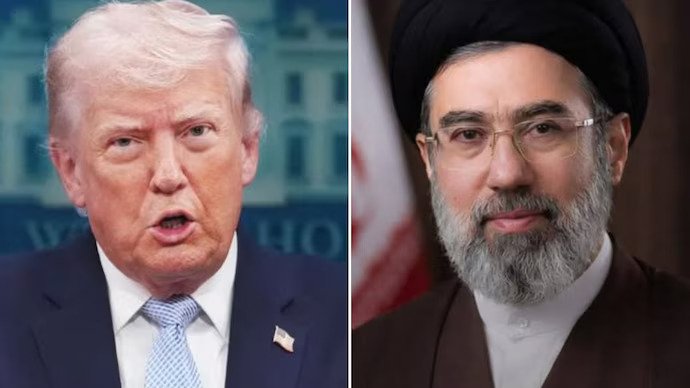



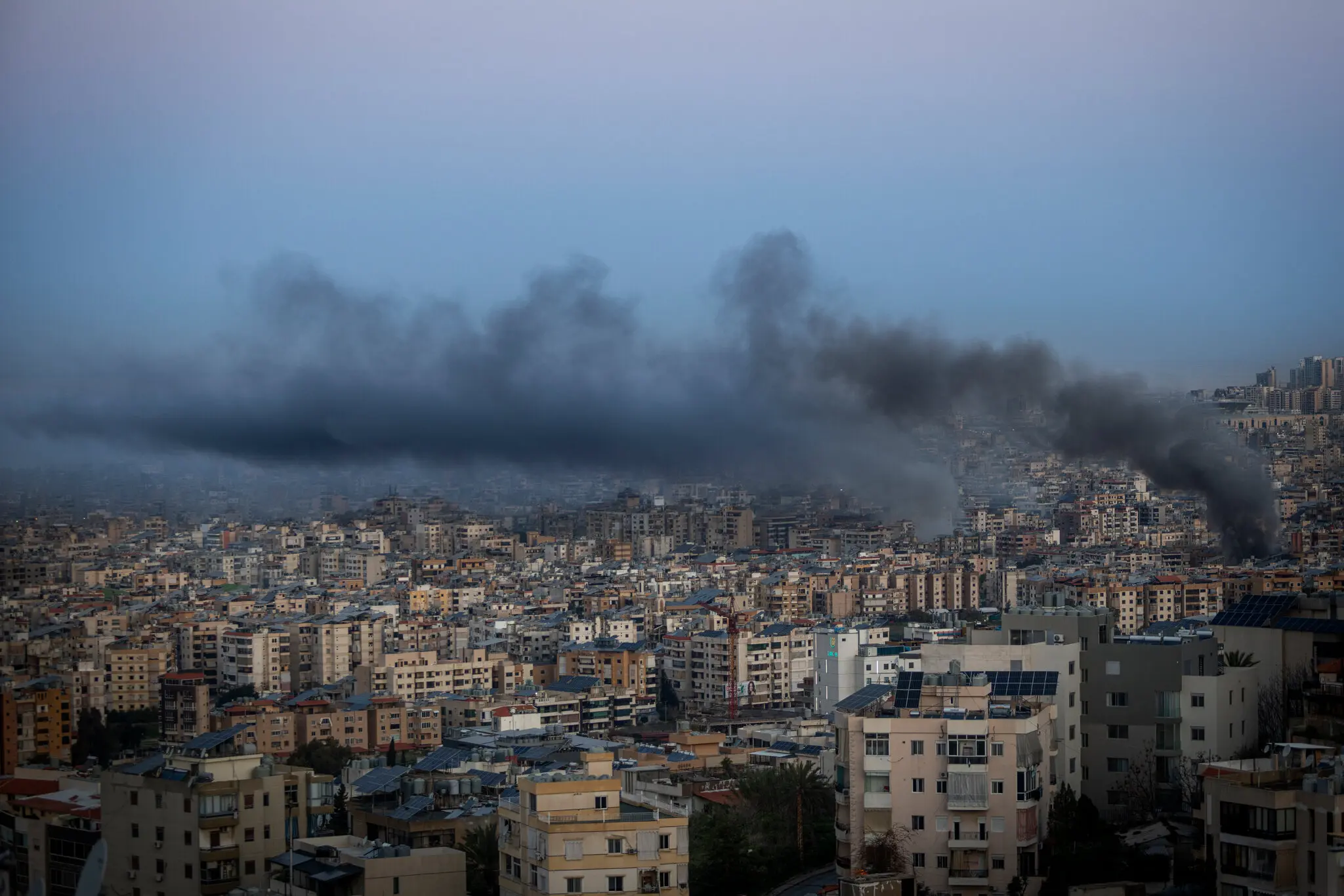
Iran has issued a stark warning to potential aggressors, signaling that any attempt at a ground invasion will be met with lethal retaliation. The threat comes amid escalating tensions with the United States and Israel in the Middle East.
According to Daljoog News analysis, Tehran’s message reflects both a show of strength and a strategic deterrent. By emphasizing readiness and unity, Iranian leaders aim to discourage any direct military action on their soil.
The warning arrives at a time of heightened instability, following multiple missile and drone strikes attributed to Iranian forces against U.S. positions and allied assets across the region.
What Happened?
On Thursday, Iranian military chief Major General Amir Hatami addressed all command and control centers via an online briefing. He stated that the Iranian military would allow no intrusions, whether by land, naval, or air forces, and that attackers attempting to operate on Iranian soil would not survive.
General Hatami instructed commanders of ground, naval, and air units to continuously monitor and analyze every enemy movement. The military remains on full alert, prepared for both defensive and offensive operations.
The general also criticized recent statements by U.S. President Donald Trump, which suggested post-conflict strategies for reshaping Iran. Hatami argued that such remarks reveal the true goal of the U.S.-Israel alliance: to remove Iran from the geopolitical map.
He reaffirmed that the Iranian population and armed forces are united, and that any foreign imperialist designs will fail.
Why This Matters
Hatami’s statement underscores the high stakes of ongoing Middle East tensions. The warning is a clear signal to the United States, Israel, and other regional actors that Iran is prepared to escalate militarily if threatened.
The rhetoric also has strategic implications for deterrence. By promising total retaliation, Tehran aims to influence the calculations of foreign powers considering military action, highlighting the human and material risks of any ground operation.
Analysts note that such statements reinforce Iran’s posture as a regional power, capable of striking back while safeguarding its critical infrastructure and population.
What Analysts or Officials Are Saying
Security analysts describe Hatami’s remarks as part of a long-standing Iranian doctrine of asymmetric warfare. Tehran’s emphasis on rapid detection, counter-strikes, and civilian protection aligns with strategies observed in past conflicts involving U.S. forces and regional allies.
Experts also note the psychological aspect of the warning: projecting an image of invincibility serves to deter aggression while bolstering domestic and military morale. The insistence on complete unity between civilians and armed forces signals a nationalistic front aimed at discouraging internal dissent.
Daljoog News Analysis
Iran’s latest warning is a combination of strategic messaging and military posturing. While the rhetoric is strong, it also provides insight into Tehran’s priorities: protection of sovereignty, deterrence against foreign intervention, and the maintenance of internal cohesion.
The threat reflects both confidence in Iran’s military capabilities and an awareness of the symbolic power of unified resistance. By tying national identity to military readiness, Iran positions itself as a formidable actor, capable of defending against multiple adversaries simultaneously.
Daljoog News analysis suggests that such warnings also serve to test the resolve of the U.S.-Israel coalition, gauge international reactions, and reinforce Iran’s negotiating position in any future diplomatic engagements.
What Happens Next
The international community will closely monitor Iran’s military readiness and public statements for signs of potential escalation. Regional allies and U.S. defense planners are likely to reassess troop deployments and strategic positioning in response to the warning.
While direct conflict has not yet occurred, Tehran’s messaging makes clear that any ground incursion will trigger a decisive response. Observers expect a continued high-alert status for U.S. and allied forces in the Gulf region, along with heightened surveillance of Iranian military movements.
Public and private diplomacy may intensify as nations attempt to prevent escalation, but analysts warn that tensions are likely to remain high for the foreseeable future.