


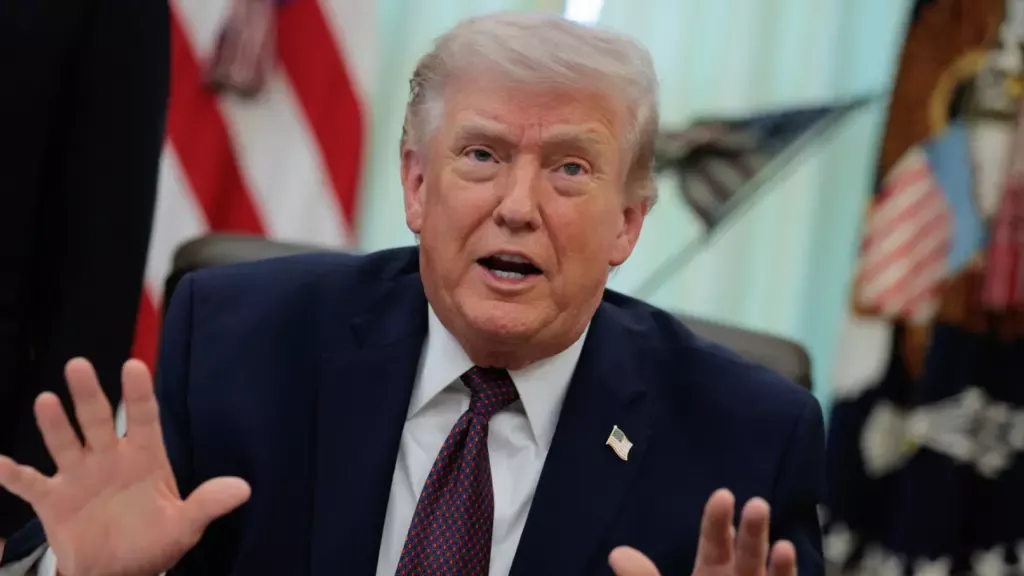
U.S. President Donald Trump has indicated he is seriously considering withdrawing the United States from NATO after expressing frustration over allies’ stance on Iran. His remarks came during a recent interview and quickly drew concern across Western capitals.
According to Daljoog News analysis, the statement blends political signaling with strategic pressure, aimed at pushing NATO members to take a stronger role in Middle East security operations.
The timing is critical. Rising tensions involving Iran and visible disagreements among Western allies are already testing the strength of long-standing defense partnerships.
What Happened?
President Trump suggested that the United States could reconsider its NATO membership after what he described as a lack of support from allied nations regarding Iran.
At the center of his frustration is the refusal of several European NATO members to engage in potential military action to secure the Strait of Hormuz, a key global shipping route. Trump had pushed for a coordinated response, but major allies declined to participate militarily.
He emphasized that the United States has consistently backed its allies, including during the Ukraine conflict, but argued that this support has not been matched when Washington expected it.
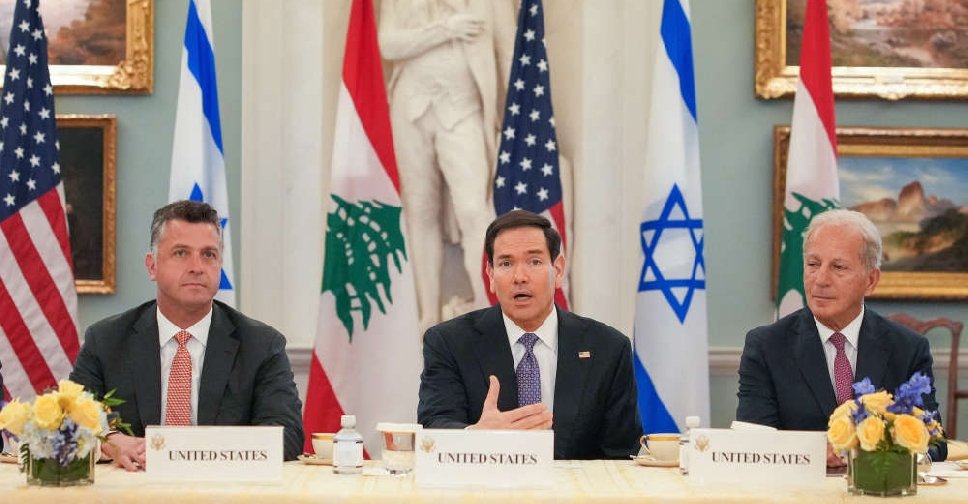
The issue has reportedly moved into internal White House discussions. Trump is said to be consulting senior officials, including Secretary of State Marco Rubio, about the legal and strategic implications of a possible NATO withdrawal.
While no official decision has been announced, the possibility is now being considered at a serious policy level.
Why This Matters
A U.S. withdrawal from NATO would represent a major shift in global security architecture. The alliance has long depended on American military strength and leadership.
If the United States steps back, European nations may be forced to rapidly strengthen their own defense systems and coordination. This could reshape the balance of power within the alliance.
The situation also exposes deeper divisions within NATO. Differences in how members view threats, especially regarding Iran, are becoming more pronounced.
On a broader level, any weakening of NATO could open space for rival powers to expand their influence, particularly in regions already marked by instability.
What Analysts or Officials Are Saying
NATO Secretary General Mark Rutte is expected to address the issue in upcoming talks with Trump. Analysts view this meeting as a key opportunity to ease tensions and clarify expectations within the alliance.
European leaders have reacted carefully. Finland’s president, Alexander Stubb, has indicated that Europe is ready to take on more defense responsibility, signaling a potential shift toward greater regional self-reliance.
UK Prime Minister Keir Starmer has reaffirmed strong support for NATO, calling it one of the most effective military alliances in history. However, he also made clear that Britain does not view the Iran situation as a conflict to join militarily.
Analysts see these responses as attempts to stabilize the alliance while avoiding confrontation with Washington.
Daljoog News Analysis
Trump’s NATO exit signal reflects a broader shift in U.S. foreign policy priorities. The “America First” approach continues to shape decisions, placing national interests above traditional alliance commitments.
This introduces uncertainty into a system that has long relied on stability and predictability. NATO’s strength depends on trust and shared responsibility, and even the suggestion of withdrawal can weaken that foundation.
There is also a tactical element. By raising the possibility of leaving NATO, Trump may be trying to pressure allies into increasing their military contributions or aligning more closely with U.S. positions on Iran.
However, this approach carries risks. Repeated pressure can strain relationships and encourage allies to explore alternative security arrangements. Over time, this could lead to fragmentation within the Western defense structure.
What Happens Next
Attention will now turn to diplomatic engagement. Trump’s upcoming meeting with NATO leadership could shape the next phase of this dispute.
Legal barriers also remain significant. A U.S. exit from NATO would likely require congressional approval, making the process complex and politically challenging.
At the same time, European countries may accelerate efforts to build greater defense independence. This could include increased military spending and deeper regional cooperation.
Whether Trump follows through on his warning remains uncertain. What is clear is that his statement has already triggered a serious debate about the future of NATO and the durability of Western alliances.