


The United States is actively exploring a temporary ceasefire arrangement with Iran, as political pressure builds around continued military engagement in the Middle East. Reports indicate discussions are underway for a potential 45-day pause in hostilities involving regional mediators.
According to Daljoog News analysis, the shift toward ceasefire talks reflects growing concern within U.S. political circles over the cost and sustainability of prolonged conflict, particularly as domestic criticism intensifies.
The moment is critical. With tensions already straining regional stability, even a temporary halt in fighting could open space for broader negotiations and reduce the risk of further escalation.
What Happened?
Emerging reports suggest that the United States, Iran, and several regional intermediaries are engaged in discussions over a proposed 45-day ceasefire. The talks, first highlighted by international media sources, aim to create a short-term pause that could potentially evolve into a longer-term settlement.
While details remain limited, the proposal reportedly includes provisions that would allow for an extension if additional time is needed to reach a more permanent agreement. However, the accuracy of some claims surrounding the negotiations has not been independently verified, leaving room for uncertainty about the exact stage of the talks.
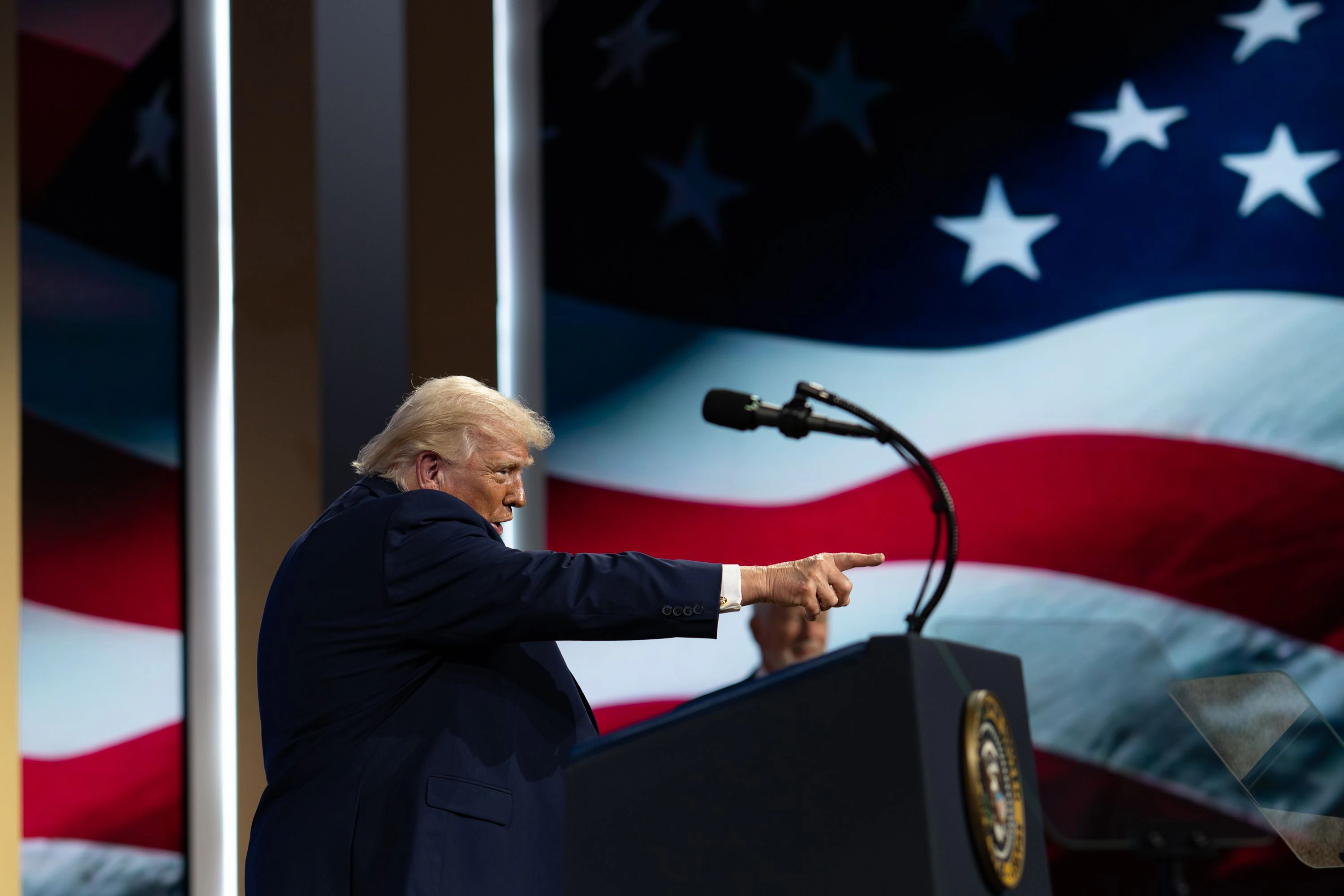
At the same time, U.S. President Donald Trump has taken a sharply contrasting public tone. In a recent interview with ABC News, he signaled urgency by warning that Iran could face severe consequences if it does not agree to the terms quickly.
His remarks suggested a narrow timeline, emphasizing that any agreement should be reached within days rather than weeks. The comments underline the tension between diplomatic outreach and continued pressure tactics.
Why This Matters
The proposed ceasefire discussions highlight a possible turning point in the current standoff. A temporary pause in hostilities could reduce immediate risks, particularly in a region already facing multiple overlapping crises.
For Washington, the talks also reflect internal political realities. Rising concerns over military spending and strategic priorities are shaping policy decisions. Prolonged engagement carries both financial and political costs, especially as scrutiny increases at home.
For Iran, the situation presents a complex calculation. Agreeing to a ceasefire could provide short-term relief but may also come with conditions that affect its broader strategic position.
At a global level, the outcome of these talks will influence how future conflicts are managed. If successful, it could reinforce the role of mediated diplomacy even in highly volatile environments.
What Analysts or Officials Are Saying
Policy analysts suggest that the current approach combines negotiation with pressure, a strategy often used to accelerate agreements. They note that strong public statements can be aimed at shaping leverage rather than reflecting final positions.
Some experts caution that tight deadlines may complicate negotiations. Diplomatic processes typically require time to address complex issues, and accelerated timelines can increase the risk of breakdowns.
Officials familiar with regional diplomacy emphasize the importance of intermediary countries. These actors often play a critical role in bridging gaps, especially when direct communication between parties is limited or strained.
There is also recognition that information surrounding the talks remains incomplete. Analysts advise caution in interpreting early reports until more concrete details emerge.
Daljoog News Analysis
The push for a ceasefire reflects a broader recalibration in U.S. strategy. While strong rhetoric continues, the parallel pursuit of negotiations indicates an awareness that military pressure alone may not achieve long-term objectives.
The dual-track approach—combining threats with diplomacy—can be effective but carries inherent risks. If perceived as inconsistent, it may weaken credibility or create confusion among allies and adversaries alike.
Domestically, the pressure on leadership appears to be growing. Public debate over military involvement and spending is influencing the urgency behind diplomatic efforts. This dynamic often shapes how quickly governments move toward negotiation.
Daljoog News analysis suggests that the coming days will be crucial. The success or failure of these talks could define the next phase of the conflict and determine whether escalation or de-escalation becomes the dominant trajectory.
What Happens Next
Negotiations are expected to continue in the near term, with mediators working to refine the framework of the proposed ceasefire. Key issues will likely include timelines, enforcement mechanisms, and conditions for extension.
The response from Iran will be closely watched, as it will determine whether talks progress or stall. Any agreement would need to balance immediate relief with longer-term strategic considerations.
Meanwhile, public messaging from U.S. leadership may continue to reflect urgency, even as diplomatic channels remain active behind the scenes.
The next phase will depend on whether both sides can align on basic terms. If they do, the proposed ceasefire could mark the first step toward reducing tensions in an increasingly fragile region.