

After 40 days of intense hostilities, Iran has formally accepted a temporary two-week truce with the United States. The agreement comes amid sustained diplomatic efforts and mediation by Pakistan, providing a pause in the region’s escalating tensions.
According to Daljoog News analysis, this truce reflects Tehran’s strategic calculation: while it suspends defensive military actions, Iran maintains a firm posture, signaling readiness should the conflict resume. The deal also underscores the critical role of Islamabad as a mediator between the two nations.
The timing is significant, as the truce coincides with efforts to reopen the Strait of Hormuz for safe navigation—a key artery for global trade and energy supplies. Analysts see this pause as an opportunity to stabilize both regional security and international markets.
What Happened?
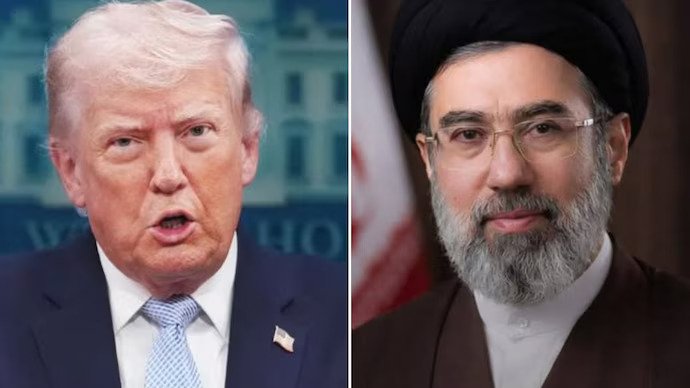
Iran’s Supreme National Security Council officially approved the two-week ceasefire, describing it as a victory for Tehran. Pakistani Prime Minister Shehbaz Sharif conveyed that the United States had agreed to consider Iran’s 10-point proposal as the basis for negotiations.
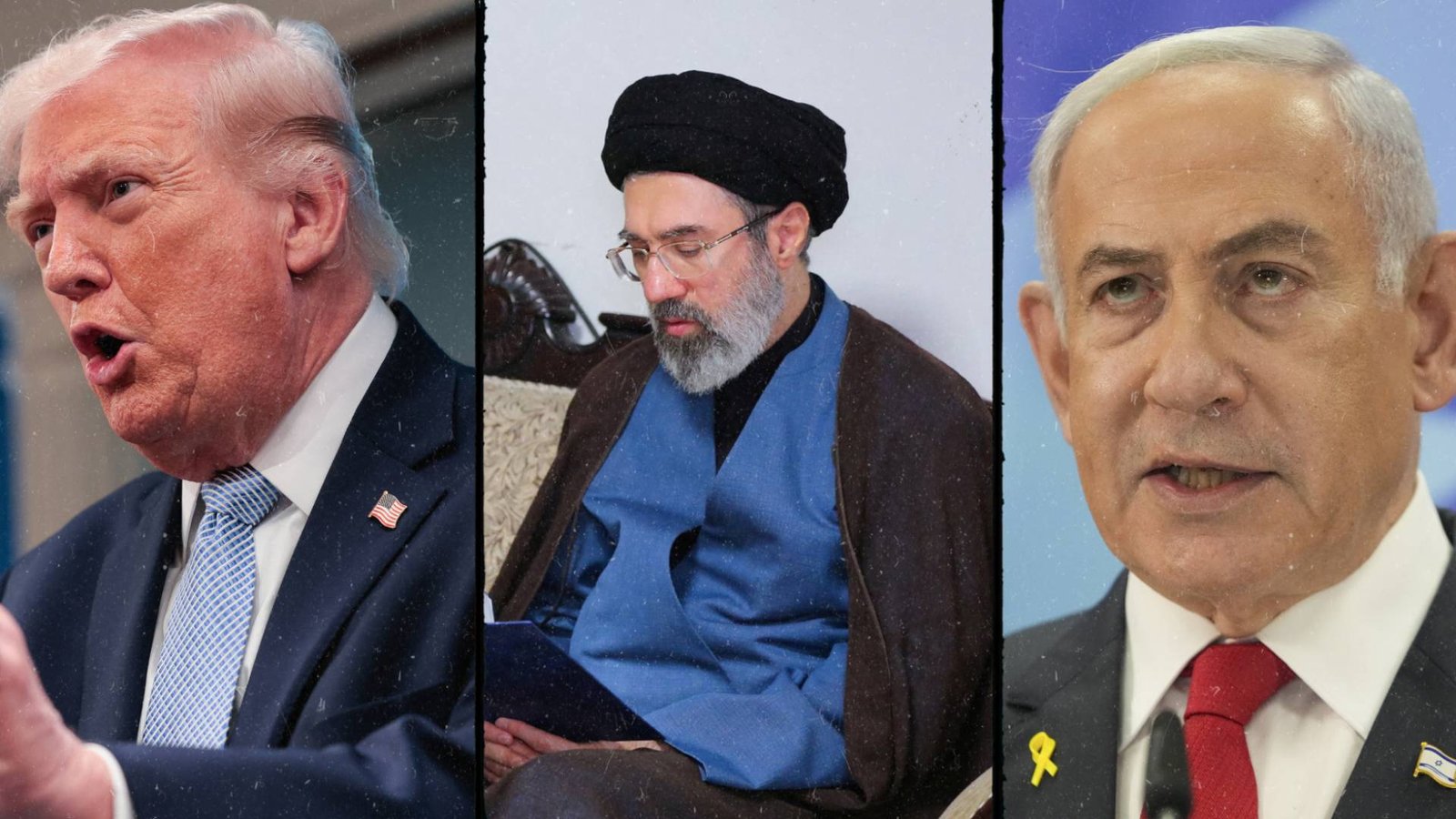
Iranian Foreign Minister Abbas Araghchi confirmed that the country’s armed forces would suspend preventive operations, contingent on the cessation of attacks from the United States. The truce was endorsed under the approval of Iran’s Supreme Leader, Ayatollah Mostafa Khamenei.
In parallel, the United States, under President Donald Trump, agreed to temporarily halt potential strikes and aerial bombardments on Iran for the two weeks. The pause was facilitated at the request of Pakistani leadership and defense authorities, emphasizing diplomacy over immediate military action.
Why This Matters
The truce provides immediate relief to a region under threat of escalation. The Strait of Hormuz, a crucial global shipping route, is directly impacted, with implications for oil and trade flows worldwide. Iran’s commitment to allow safe passage for vessels, with coordination from its military, is critical for global economic stability.
Strategically, the truce demonstrates how tactical pauses can be used to reduce the risk of widespread conflict while preserving national interests. Tehran’s simultaneous warning to adversaries that its forces remain ready reflects a careful balance between diplomacy and deterrence.
What Analysts or Officials Are Saying
Regional analysts note that Iran’s acceptance of the truce, while framing it as a victory, allows the country to maintain leverage in ongoing negotiations. The involvement of Pakistan is viewed as pivotal, providing a neutral platform to broker dialogue and reduce the immediate threat of military escalation.
U.S. officials framed the truce as a conditional pause, tied directly to Iran’s cooperation in reopening the Strait of Hormuz. Experts suggest this demonstrates how the two nations are managing conflict through tactical restraint rather than full-scale engagement.
Observers also point out that the truce could set the stage for longer-term talks in Islamabad, creating a window for de-escalation and further diplomatic agreements.
Daljoog News Analysis
This temporary ceasefire illustrates a nuanced interplay of strategy, diplomacy, and military signaling. Iran’s insistence on maintaining a firm stance while agreeing to a truce shows its skill in managing both domestic and international perceptions.
For the United States, the truce represents a tactical measure to avoid immediate conflict while applying diplomatic pressure. The involvement of Pakistan highlights the importance of regional actors in mediating between global powers, especially when direct negotiations are politically sensitive.
The decision to secure safe passage through the Strait of Hormuz underlines the global stakes of regional stability. Even a short-term agreement has significant implications for international trade, energy markets, and the perception of U.S. influence in the Middle East.
What Happens Next
Over the next two weeks, Iran and the United States will monitor compliance with the ceasefire. Coordination with Iranian military forces is required for safe navigation through the Strait of Hormuz, ensuring the temporary truce does not lead to accidental confrontations.
Negotiations for a more permanent agreement are expected to take place in Islamabad, with both sides seeking to secure long-term security and economic stability. Global markets and maritime operators will closely watch developments, as any disruption could quickly affect oil prices and trade flows.
This truce may serve as a model for short-term conflict management in the region, demonstrating how diplomatic mediation and tactical restraint can prevent escalation in high-stakes international disputes.