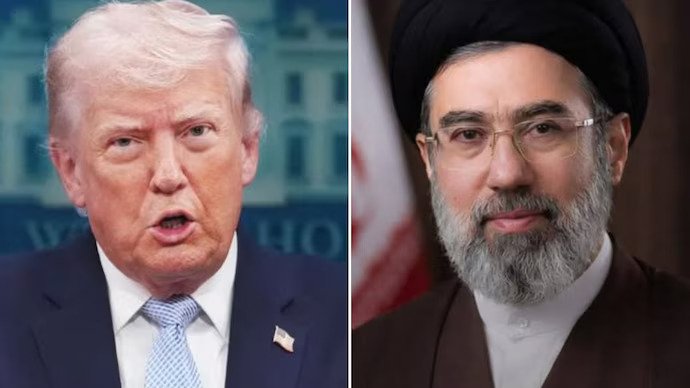


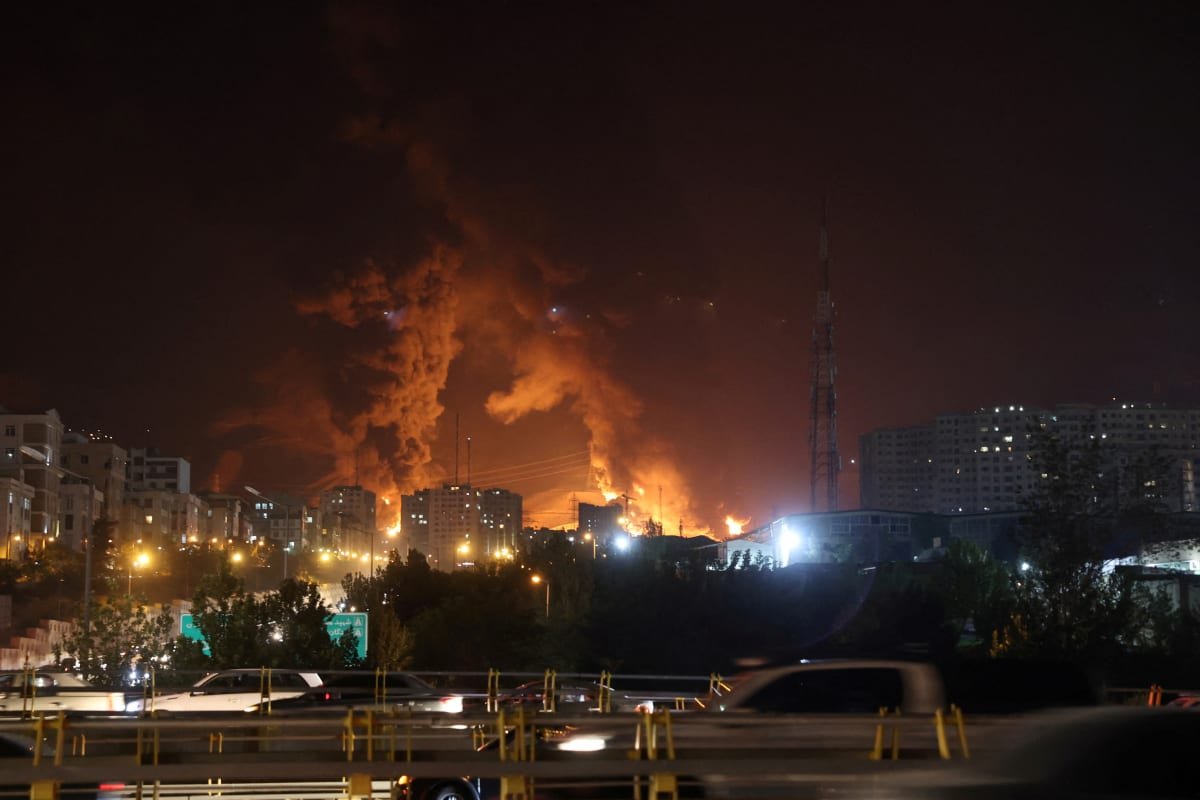
A growing wave of allegations is casting a shadow over the recent US-Israel military actions targeting Iran, with critics questioning whether the conflict is driven by strategic necessity or political and financial motives. The escalation has already shaken global markets, pushing oil prices sharply higher and increasing pressure on economies worldwide.
According to Daljoog News analysis, the controversy goes beyond battlefield dynamics. It points to deeper concerns about the intersection of political power, financial interests, and national security decisions at the highest level of government.
The timing of key announcements and market reactions has intensified scrutiny, especially as global tensions rise and economic stability becomes increasingly fragile. For many observers, the issue is no longer just about conflict, but about credibility and governance.
What Happened?
The United States, alongside Israel, launched a series of strikes targeting Iranian positions, triggering immediate geopolitical and economic fallout. The operation unfolded in late March 2026 after a period of rapidly shifting signals from Washington.
On March 21, President Donald Trump issued strong warnings toward Iran, indicating possible military action. Two days later, he suggested that constructive peace talks were underway, surprising both policymakers and investors.
Minutes before that softer message, oil markets saw an unusual spike in futures trading. Thousands of contracts were exchanged within a very short window, far above normal levels. Analysts flagged the timing as highly irregular, raising questions about whether advance knowledge influenced trades.
Volatility increased further on April 1. Statements hinting at a quick end to the conflict briefly pushed oil prices down. Later the same day, a more aggressive tone triggered a sharp rebound. These swings intensified concerns about how sensitive geopolitical messaging may be impacting global markets.
Why This Matters
The situation carries serious economic consequences. Oil price fluctuations directly affect inflation, transportation costs, and energy security, especially for import-dependent countries.
At the same time, the credibility of US foreign policy is under pressure. If military or diplomatic actions appear tied to internal political or financial motives, it could weaken trust among allies and increase uncertainty among global partners.
The allegations also raise red flags about market integrity. If individuals benefited from early access to policy signals, it could represent a serious breach of financial regulations and ethical standards.
Beyond economics, the risk of broader regional instability remains high. Any escalation involving Iran could disrupt key trade routes and further strain global supply chains.
What Analysts or Officials Are Saying
Economic experts have pointed to the unusual trading patterns as a major concern. Some believe the scale and timing suggest that certain market participants may have had prior insight into policy developments.
Policy analysts are also questioning whether the overlap between political leadership and private business interests is becoming too significant. Even without definitive proof, such perceptions can damage institutional credibility.
In Washington, lawmakers are beginning to push for closer scrutiny. Discussions are underway about possible investigations into financial activities connected to recent geopolitical decisions.
International observers are watching carefully. Allies are seeking reassurance that US decisions remain grounded in long-term strategy rather than short-term political calculations.
Daljoog News Analysis
This episode highlights a deeper issue in modern governance. The lines between political authority and financial influence appear increasingly blurred, creating risks that extend beyond any single conflict.
The sequence of events, including policy reversals and market reactions, creates a narrative that is difficult to ignore. Even if no wrongdoing is proven, the perception alone can erode confidence in leadership and institutions.
The economic impact is already visible. Rising energy costs are affecting households and businesses, particularly in vulnerable economies. These effects often outlast the initial geopolitical trigger.
There is also a strategic cost. The United States has long promoted transparency and accountability as core principles. Any doubts about these values could reshape how other nations engage with Washington.
What Happens Next
Regulatory scrutiny is likely to increase in the coming weeks, especially around market activity tied to major policy announcements. Financial watchdogs may examine whether trading patterns violated any rules.
Political pressure inside the United States could also build. Lawmakers may push for formal hearings to assess potential conflicts of interest and ensure accountability.
On the geopolitical front, the situation remains uncertain. Further military action could deepen instability, while diplomatic efforts may attempt to prevent escalation.
Markets will continue to react quickly to any new signals. This makes transparency and clear communication critical to avoiding further disruption.