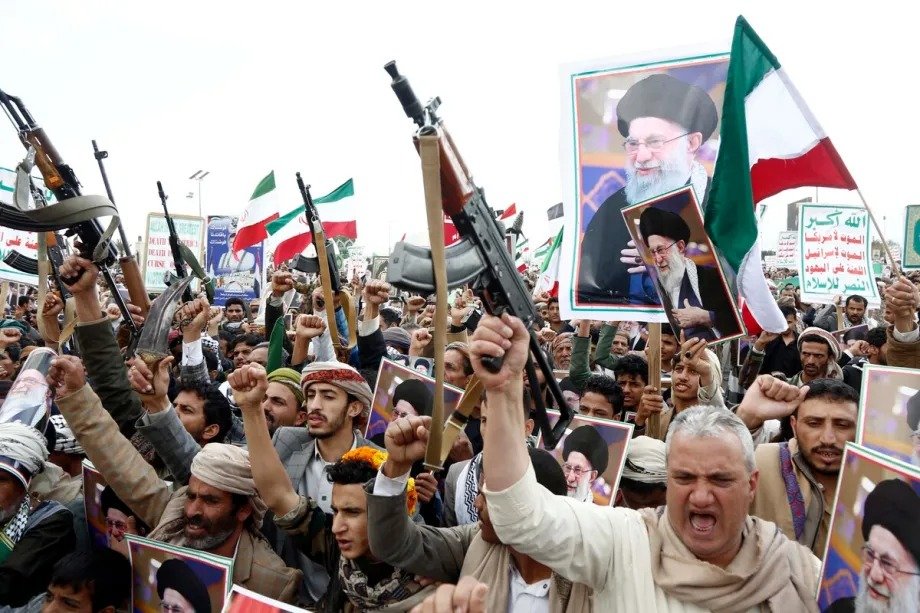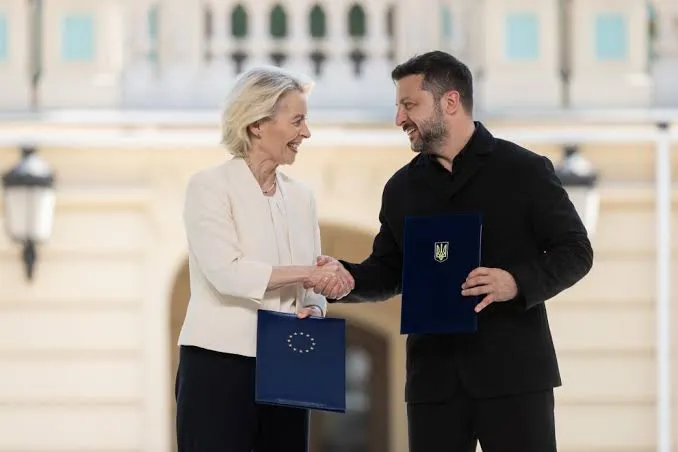



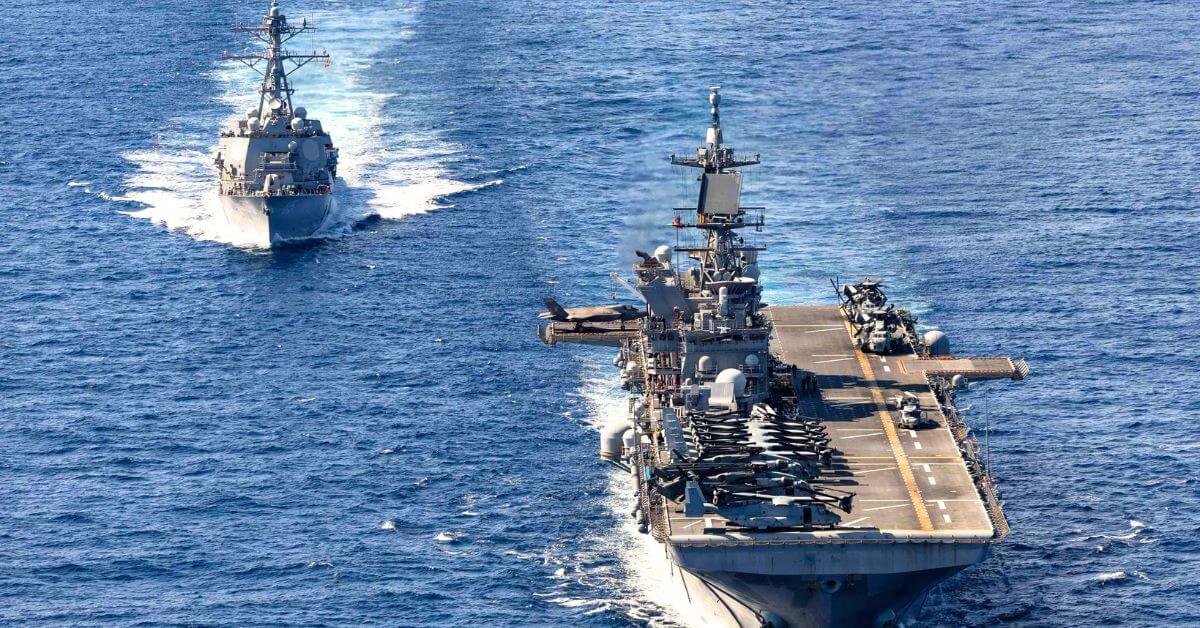
NATO rejects Trump plan as Western allies refuse to support a proposed U.S.-backed military approach involving the Strait of Hormuz amid rising tensions with Iran. The decision has triggered fresh debate over alliance unity and strategic priorities.
According to Daljoog News analysis, the NATO rejects Trump plan development exposes growing divisions between Washington and European capitals over the use of military force in sensitive global shipping corridors.
The disagreement comes at a time of heightened instability in the Middle East, where failed negotiations with Iran have intensified concerns over maritime security in one of the world’s most critical energy routes.
What Happened?
NATO rejects Trump plan after U.S. President Donald Trump reportedly called for allied support for a hardline strategy involving the Strait of Hormuz following the collapse of diplomatic talks with Iran.
The proposed plan was expected to include coordinated naval involvement from NATO members to support a broader pressure campaign. However, multiple European allies declined to participate in any direct military operation.
The United Kingdom, under Prime Minister Keir Starmer, reportedly made clear it would not take part in the mission despite diplomatic pressure. Germany, Spain, Italy, Poland, and Greece also refused to deploy naval forces.
This collective refusal effectively stalled the initiative and created immediate political friction within the alliance. The situation has raised concerns about how far NATO unity can stretch when confronted with high-risk operations outside Europe.
France, meanwhile, has taken a different position. President Emmanuel Macron has proposed a multinational maritime mission focused on de-escalation and ensuring safe commercial shipping, rather than enforcing any form of blockade.
Why This Matters
NATO rejects Trump plan at a critical moment for global energy security, as the Strait of Hormuz remains one of the most strategically important maritime chokepoints in the world.
Any disruption in the region has the potential to affect global oil flows and increase volatility in international markets. This makes military escalation decisions particularly sensitive for both Western governments and global trade systems.
The refusal of key NATO members highlights a deeper strategic divide over how to handle crises involving Iran and the broader Middle East. While the United States has often favored stronger military pressure, several European countries are increasingly cautious about direct involvement in regional conflicts.
This divergence raises broader questions about alliance cohesion and whether NATO can maintain unified action in situations where national interests differ significantly.
What Analysts or Officials Are Saying
NATO rejects Trump plan, according to security analysts, reflects long-standing differences within the alliance over intervention strategies in the Middle East.
Experts say European governments are prioritizing risk avoidance, economic stability, and domestic political constraints, which make participation in potential escalation scenarios less likely.
Officials in several European capitals have emphasized that their focus remains on protecting maritime trade routes rather than engaging in military enforcement operations that could expand the conflict with Iran.
At the same time, France’s proposal for a multinational protection mission indicates that alternative frameworks are being explored within NATO circles, focusing more on deterrence and stability than confrontation.
Daljoog News Analysis
NATO rejects Trump plan illustrates a clear shift in Western alliance dynamics, where automatic alignment on military strategy is no longer guaranteed even in high-stakes geopolitical crises.
The coordinated refusal from multiple NATO members signals a more fragmented approach to global security decision-making. This fragmentation is especially visible when energy security and military escalation intersect in sensitive regions like the Strait of Hormuz.
For Washington, the situation highlights the difficulty of building broad coalition support for aggressive maritime strategies. For Europe, it reflects a growing preference for controlled risk management over direct confrontation.
The contrast between U.S. pressure and European caution suggests that NATO’s future external operations may rely more on selective participation and ad hoc coalitions rather than unified military action.
What Happens Next
Following the NATO rejects Trump plan development, diplomatic efforts are expected to continue as global powers search for alternative approaches to maritime security in the Strait of Hormuz.
The United States may pursue bilateral partnerships with willing allies, while European nations push for de-escalation-focused missions or international monitoring frameworks.
Future negotiations will likely determine whether a compromise model can be established that balances deterrence with stability in the region.
For now, the disagreement leaves the proposed strategy in uncertainty and highlights ongoing tensions within NATO over global military engagement.