

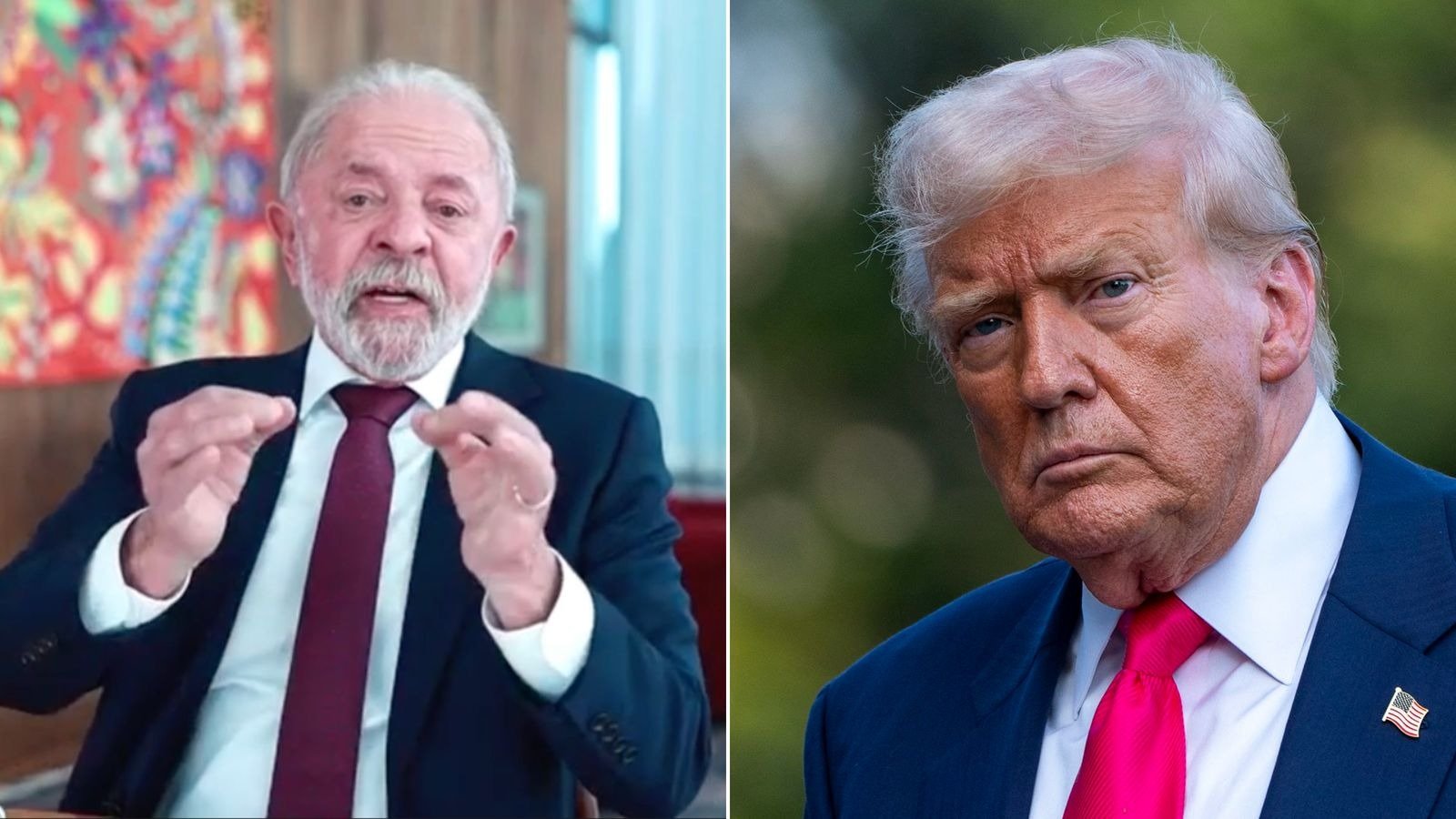
Trump Middle East war criticism intensified after Brazil’s president publicly rebuked Washington’s tone on escalating tensions in the region.
According to Daljoog News analysis, the remarks reflect rising concern among global leaders that repeated threats and aggressive rhetoric could further destabilize an already volatile Middle East.
The comments come at a time of heightened friction between the United States and Iran, with maritime disruptions and security fears adding urgency to diplomatic efforts.
What Happened?
Trump Middle East war criticism took center stage during an international gathering of progressive leaders in Barcelona on April 18. Brazil’s president, Luiz Inácio Lula da Silva, used the platform to warn against what he described as a pattern of threatening language coming from world leaders.
He pointed to a growing trend where global audiences wake up to statements hinting at conflict or escalation. His remarks were widely interpreted as directed toward U.S. President Donald Trump, particularly regarding messaging toward Iran.
The Brazilian leader also criticized the broader international system, arguing that the five permanent members of the United Nations Security Council have failed to effectively manage ongoing conflicts, including the crisis in the Middle East.
His speech called for a shift in global policy approaches, urging more responsibility and restraint from powerful nations.
Why This Matters
Trump Middle East war criticism from a major Latin American leader highlights widening international unease over current geopolitical tensions.
Such statements signal that concerns about U.S. foreign policy are no longer limited to traditional rivals but are increasingly echoed by influential voices in the Global South.
The criticism also underscores the fragility of the current situation in the Middle East. Rising tensions between Iran and the United States, combined with disruptions in key shipping routes like the Strait of Hormuz, have elevated risks for global trade and energy markets.
What Analysts or Officials Are Saying
Experts say Trump’s Middle East war criticism reflects a broader shift in diplomatic tone worldwide. Analysts suggest leaders like Lula are positioning themselves as advocates for de-escalation and multilateral cooperation.
Political observers note that repeated public warnings about war can increase uncertainty in financial markets and among international stakeholders.
Many analysts also point to social media as a key factor. Direct messaging from political leaders, especially when it involves threats, can amplify tensions quickly and shape global perceptions.
Daljoog News Analysis
Trump Middle East war criticism illustrates a growing divide in how global leaders approach conflict management.
While some governments rely on strong rhetoric as a tool of deterrence, others view it as a destabilizing force that undermines diplomacy. Lula’s remarks place Brazil firmly in the latter camp.
The criticism also reflects a deeper frustration with international institutions. Calls for reform of the UN Security Council suggest that existing mechanisms are seen as insufficient to prevent or resolve modern conflicts.
At the same time, this moment reveals an emerging diplomatic dynamic. Countries outside traditional power blocs are increasingly vocal, seeking to influence global debates rather than simply react to them.
What Happens Next
Trump Middle East war criticism is likely to continue shaping diplomatic discourse in the coming weeks.
International forums may see renewed calls for restraint and dialogue, especially if tensions between Iran and the United States persist.
Attention will also turn to how Washington responds. Any shift in tone or policy could either ease concerns or reinforce criticism.
In the near term, global markets, security analysts, and policymakers will closely monitor developments in the Strait of Hormuz and broader Middle East dynamics, as the risk of escalation remains significant.