


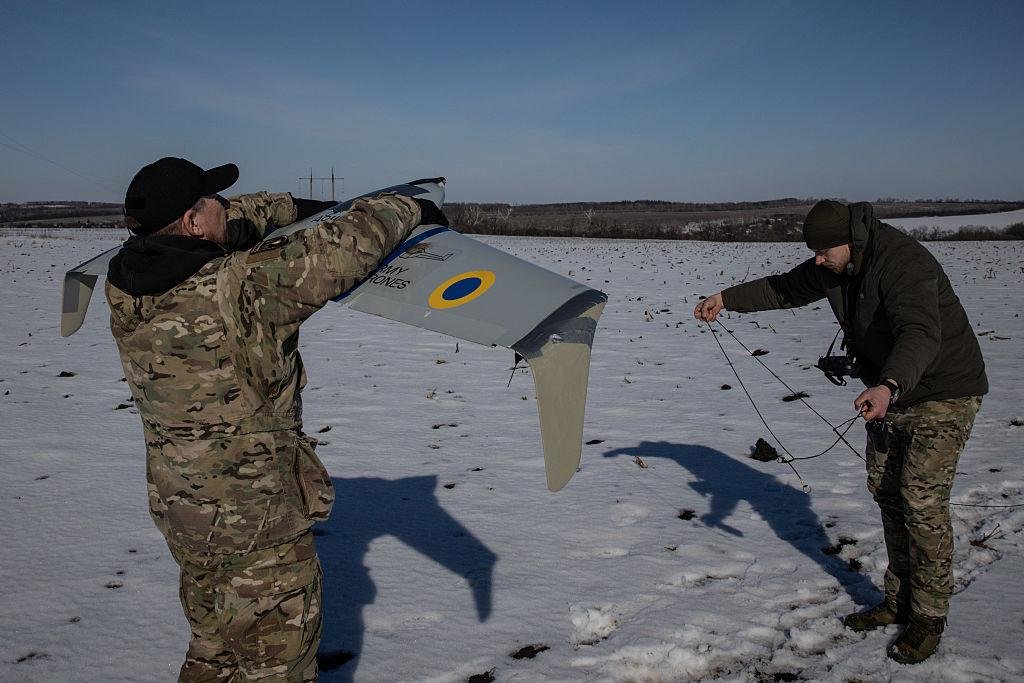
Ukraine is preparing to sharply increase its long-range drone attacks on Russia, opening a new and more dangerous phase in the war. President Volodymyr Zelenskyy has ordered the military to raise its planned daily long-range strikes from about 300 to as many as 1,000 drones. The move is aimed at putting more pressure on Russian military and fuel sites. It also shows that Kyiv wants to take the fight deeper into Russian territory.
The decision comes as Russia continues its own heavy air campaign against Ukraine. Russian forces have launched large numbers of drones and missiles at Ukrainian cities and key sites. Recent attacks have damaged homes, warehouses, vehicles and parts of the power system in the Kyiv region. At least one person was killed and two others were hurt in the latest attacks.
Ukraine has increasingly focused on Russian fuel and energy sites. Its goal is to reduce the supplies that help Russia keep its military running. Ukrainian drone attacks have hit oil facilities and refineries in several Russian regions. The attacks are now creating pressure on Russia’s fuel market, with some refineries forced to stop or cut production after strikes.
The new plan could make that pressure much stronger. A rise from 300 to 1,000 planned drones each day would represent a major increase in Ukraine’s long-range strike effort. It would also force Russia to spread its air defenses across a much larger area. Moscow would need to protect military bases, oil plants, transport sites and other important facilities from a growing number of attacks.
The campaign comes as Ukraine faces a difficult situation on its own territory. Russian forces continue to strike cities and infrastructure. In parts of southern Ukraine, local officials have warned residents about possible long power and heating problems. The damage to food and supply systems has also increased pressure on the country as it prepares for another winter of war.
The growing use of drones also reflects a major change in modern warfare. Long-range drones are cheaper and easier to produce than many traditional missiles. They can be sent in large groups and force an enemy to spend costly air defense weapons. This makes them useful for a country that needs to strike far behind enemy lines without using large numbers of expensive missiles.
For Russia, the attacks create a difficult military problem. Moscow must protect its front lines while also defending important sites far from Ukraine. Russian authorities have reported repeated drone threats in different regions. Damage to oil facilities could also affect fuel supplies and transport, adding an economic cost to the military pressure.
The escalation could also affect wider European security. Western governments are watching the conflict closely because Russia has warned that attacks on its territory could lead to stronger responses. Moscow has already threatened British military targets over Ukraine’s use of British-made weapons. Western officials believe Russia still wants to avoid a direct war with NATO, but the risk of miscalculation remains.
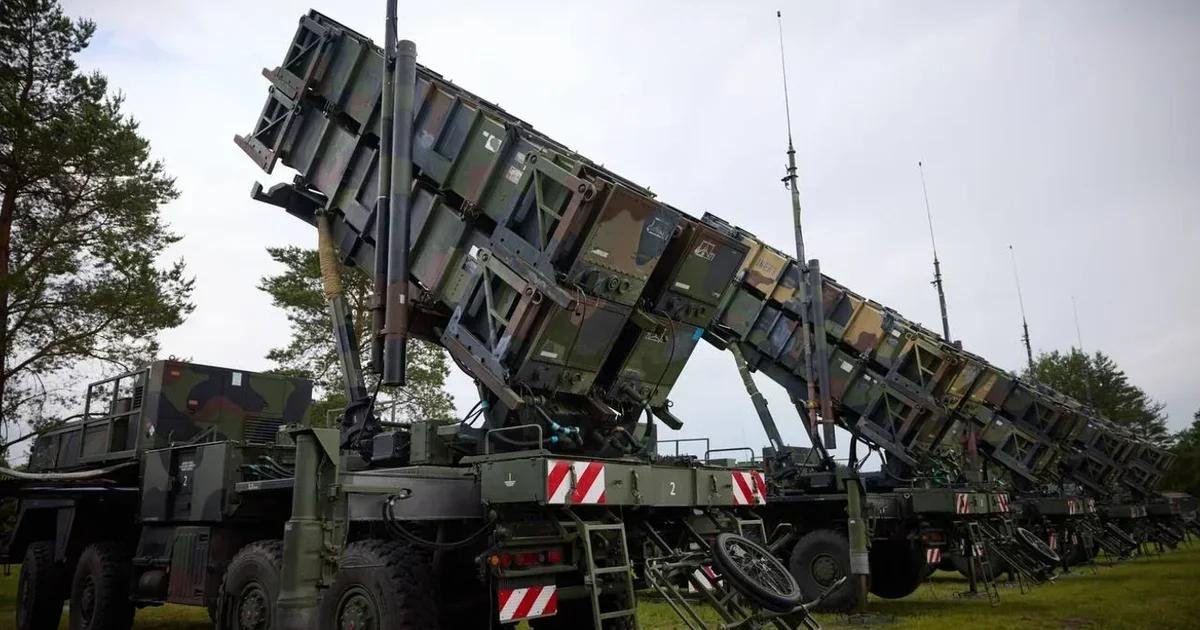
The latest move also comes as Ukraine seeks more support from its allies. Kyiv needs air defense systems to protect its cities, while it wants stronger weapons to hit Russian military targets. The balance between offensive and defensive weapons will remain a key issue for European governments.
Russia is also under growing manpower pressure. Western officials say Russian forces are losing about 6,000 more troops each month than they can recruit. Moscow has avoided another large national mobilization because of the political and economic risks. Instead, it has continued to rely on recruitment and financial incentives to bring in new soldiers.
The planned increase in Ukrainian drone strikes therefore comes at a sensitive moment. Kyiv wants to make Russia pay a higher price for the war and weaken the systems that support its military. Moscow, in turn, is likely to strengthen its air defenses and continue attacks on Ukrainian cities and infrastructure.
The result could be an even more intense battle far beyond the main front lines. If Ukraine reaches its target of 1,000 long-range drones a day, Russia will face a much wider defense challenge. The move could damage more fuel and military sites, but it could also bring stronger Russian retaliation.
For now, the decision signals that Kyiv is not planning to wait for the war to ease on its own. Ukraine is increasing its ability to strike deep inside Russia while the Kremlin continues its campaign against Ukrainian territory. The coming weeks will show whether the strategy can weaken Russia’s war machine or instead lead to another major escalation.