


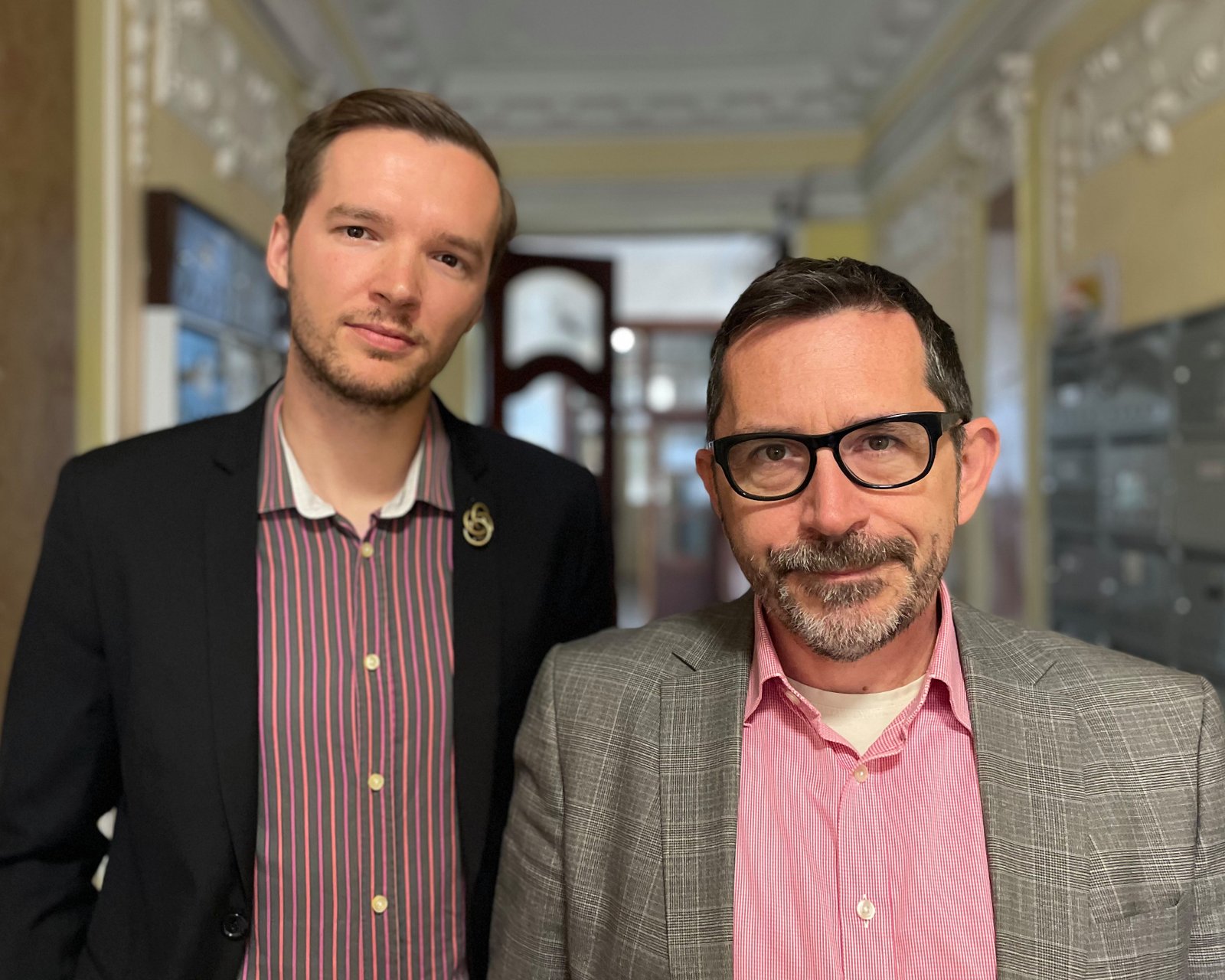
A same-sex couple has taken legal action against Slovakia over its refusal to register a marriage that was recognised in Austria. The case raises questions about how European countries treat marriages formed across national borders. It also highlights the differences that remain between countries on the legal rights of same-sex couples, even within the European Union.
The couple’s case centres on whether a marriage recognised by one EU member state should receive legal recognition for certain purposes in another. National laws on marriage remain different across Europe, and some governments do not allow same-sex couples to marry. However, cross-border movement creates situations in which couples may live, work or hold family ties in more than one country. These circumstances can make legal recognition important for matters such as family status and official documents.
The dispute could contribute to wider debate about equality and the responsibilities of EU member states. Supporters of recognition argue that couples should not lose important legal protections simply because they cross a border. Governments that restrict same-sex marriage may argue that family law remains a national matter. Courts must consider the applicable laws and European legal principles before reaching a decision. The outcome could matter not only to the couple involved but also to others facing similar problems when moving between European countries.