

Britain has publicly voiced opposition to a recent European Union decision to remove two prominent Russian businessmen from its sanctions list, calling instead for continued sanctions pressure to remain in place as part of the broader international response to Russia’s ongoing war in Ukraine. The disagreement highlights an emerging point of friction between the United Kingdom and its European partners over the appropriate approach to sanctions policy, even as both sides remain broadly aligned in their overall support for Ukraine throughout the continuing conflict.
The European Union’s decision came as part of a broader renewal of its sanctions framework against Russia, extending measures for an additional thirty-six months while simultaneously removing two individual businessmen from the specific list of sanctioned persons. While European officials have not extensively detailed the specific reasoning behind removing these particular individuals, such adjustments to sanctions lists typically reflect various legal and diplomatic considerations that can arise through periodic review processes built into how these restrictive measures are administered and maintained over time.
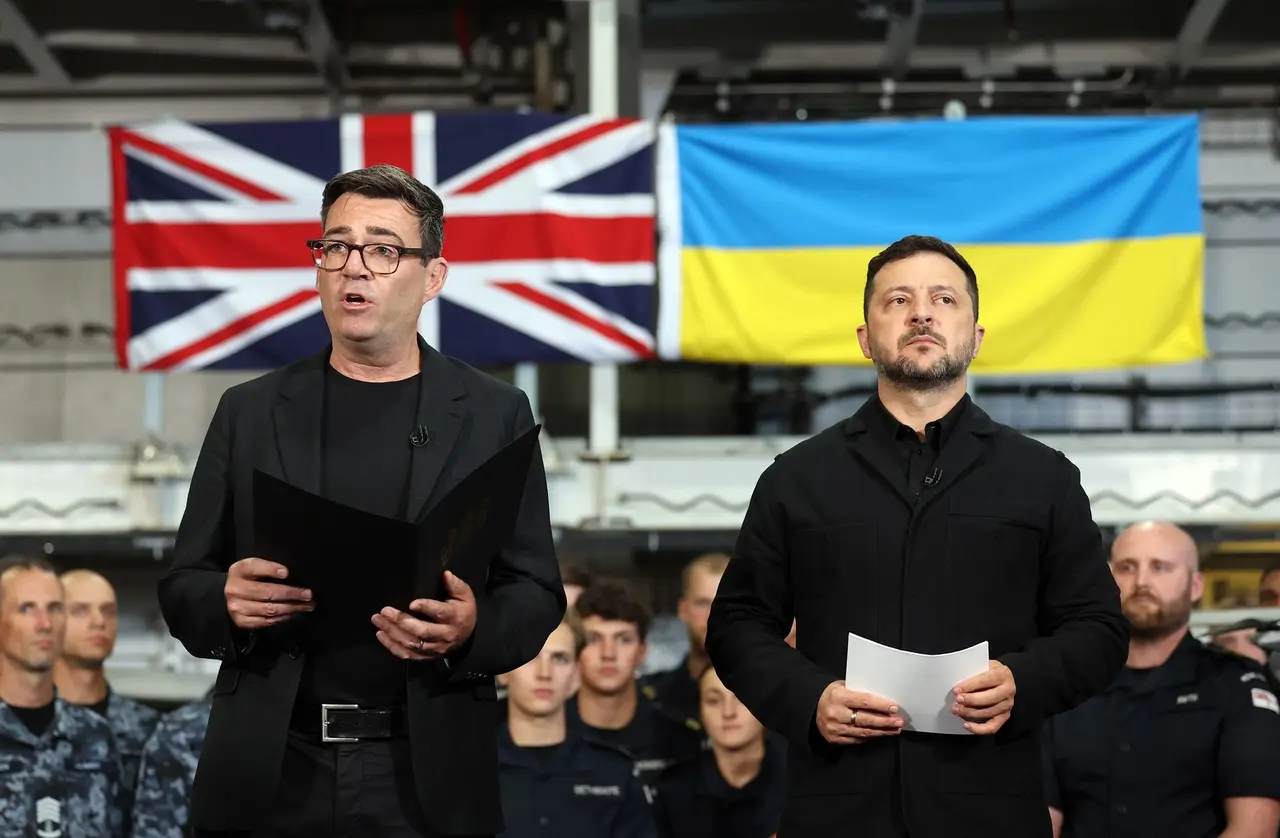
British officials have argued that maintaining maximum sustained pressure on Russia remains essential to eventually bringing the war to a resolution favorable to Ukraine, a position reportedly reinforced directly to Ukrainian President Zelensky during a private meeting this week on the sidelines of the United Nations General Assembly gathering in New York. According to reports of that conversation, British Prime Minister Andy Burnham emphasized that Ukraine’s international allies must maintain existing sanctions in order to sustain economic pressure on Moscow throughout the ongoing conflict.
This disagreement over sanctions policy specifics comes at a particularly sensitive diplomatic moment, with high-level meetings between American, Russian, and Ukrainian officials all occurring within the same general timeframe as part of this week’s broader diplomatic activity surrounding the United Nations gathering. The visibility of this particular disagreement between close allies illustrates the genuine complexity involved in coordinating sanctions policy across multiple governments, even among nations that share fundamentally aligned strategic objectives regarding the broader conflict.
European unity on sanctions matters has occasionally faced similar friction points throughout the extended duration of the war, with different member states periodically expressing varying levels of enthusiasm for specific sanctions measures based on their own particular economic relationships and political considerations. Despite these occasional disagreements over specific implementation details, the broader coalition of nations supporting sanctions against Russia has generally managed to maintain a largely unified overall approach throughout the conflict’s duration.
Analysts note that sanctions policy disagreements of this nature, while notable, rarely signal fundamental breaks in broader alliance cohesion regarding support for Ukraine. Instead, these disputes typically reflect legitimate differences of opinion about the most effective tactical approaches to achieving shared strategic goals, rather than any deeper disagreement about the underlying importance of maintaining pressure on Russia throughout the ongoing conflict and its associated humanitarian and security consequences.
As this particular disagreement continues playing out through diplomatic channels, both British and European officials have emphasized their continued shared commitment to supporting Ukraine, even while working through the specific details of how sanctions policy should be structured and maintained going forward. The coming weeks may reveal whether this specific dispute over the delisted individuals leads to any formal policy reversal, or whether it simply represents one of many ongoing conversations happening continuously among allied nations as they work to coordinate their collective response to Russia’s continuing war against Ukraine.