


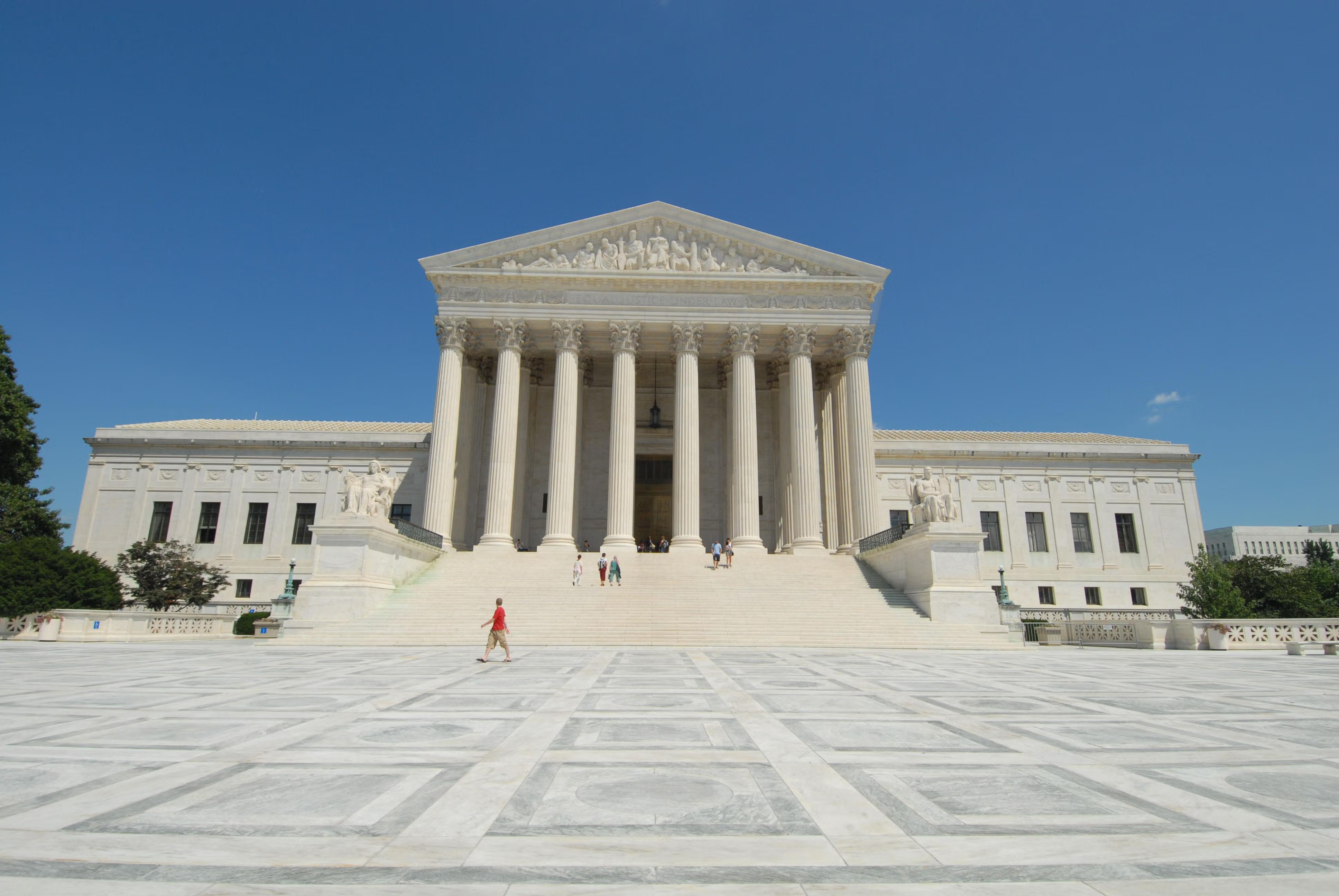
In a closely divided decision, the Supreme Court mail voting order ruling allows key parts of a disputed election directive to move forward for now, siding with the administration in a dispute involving more than twenty states. The court’s six to three ruling addressed a lower court injunction that had temporarily blocked parts of the policy.
The underlying directive involves federal agencies playing an expanded role in verifying voter information and handling certain aspects of mail in ballots ahead of upcoming elections. States that challenged the policy argued it would create significant new burdens and give federal agencies unprecedented authority over election related processes.
The court’s unsigned decision focused primarily on procedural grounds rather than ruling on the underlying legality of the policy itself. Justices found that the states had filed their legal challenge too early, before the policy had actually caused concrete harm that would justify blocking its implementation through the court system.
This procedural approach means the ruling does not settle the broader legal questions surrounding the policy’s constitutionality. The court explicitly noted that its decision does not guarantee any specific action taken under the policy will ultimately prove lawful, leaving room for future legal challenges once concrete harm can be demonstrated.
Attorneys representing the states that filed the original challenge had warned that allowing the policy to proceed could create significant complications for election administrators. They argued it would force states to divert time and resources away from routine election preparation work in order to comply with new federal requirements.
Three justices dissented from the majority decision, though their specific objections were not detailed at length in the order itself. This split reflects ongoing disagreement among the justices regarding how emergency applications involving significant policy disputes should be handled by the court.
This ruling adds to a broader pattern of emergency requests filed by the current administration since taking office, with the Supreme Court siding with the government in a substantial share of these cases. Legal experts note that decisions made through this expedited process differ from the court’s typical, more thorough review process.
State election officials affected by the ruling now face pressure to begin implementing required changes ahead of upcoming elections, even as legal uncertainty about the policy’s ultimate fate remains unresolved. This creates a challenging situation for officials trying to prepare election systems on a tight timeline.
Legal scholars continue debating the broader implications of the court’s approach to these kinds of emergency requests. Some argue the process allows for necessary flexibility in urgent situations, while others express concern about major policy questions being effectively decided through an expedited process rather than full judicial review.
Political reaction to the ruling has fallen largely along familiar lines, with supporters of the administration praising the decision as an important step toward election security, while opponents warn it could create new obstacles for voters relying on mail in ballots in the affected states.
As implementation moves forward, all sides expect continued legal battles over the policy’s underlying merits in the months ahead. Whether the policy ultimately survives full judicial review remains an open question, even as it moves forward for now under this latest emergency ruling.