

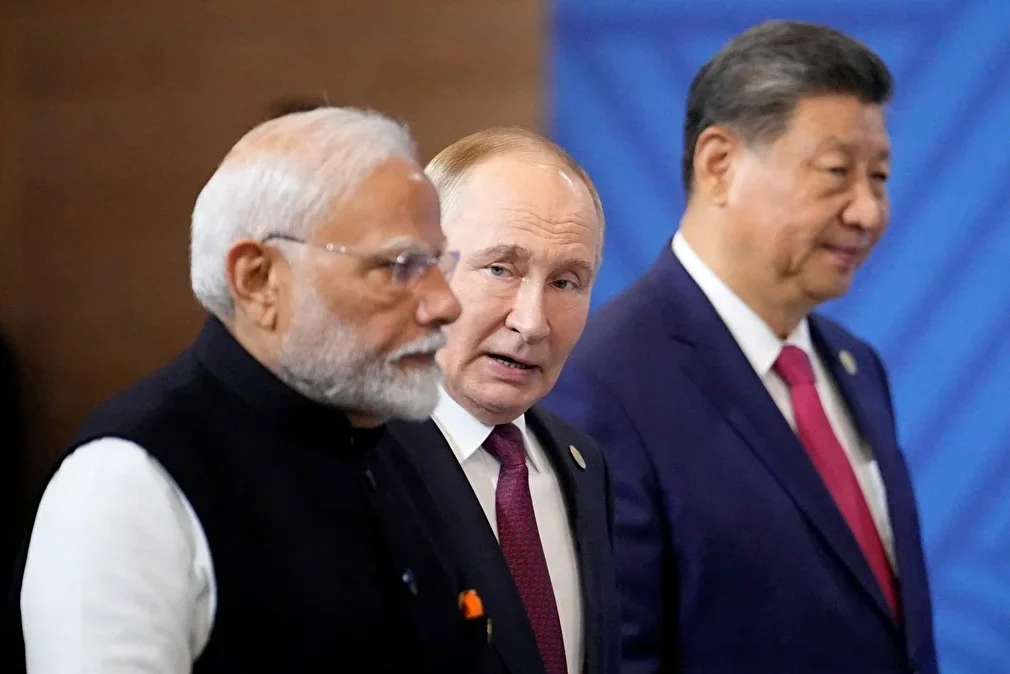
A major SCO summit Iran meeting brought together some of the world’s most influential leaders this week, as the presidents of China and Russia along with India’s prime minister met face to face with Iran’s president for the first time since a conflict involving his country began earlier this year. The gathering took place during a large regional summit marking a significant anniversary for the organization hosting it.
The two day summit, held in a Central Asian capital, celebrated twenty five years since the founding of the regional bloc, which now includes ten member countries spanning a large share of the world’s population and economic output. Leaders used the occasion to discuss deeper cooperation across economic, security, and diplomatic areas.
This marked the first opportunity for Iran’s leader to meet directly with several key global figures since his country became involved in an ongoing conflict with Western powers earlier this year. Analysts describe the meeting as an important, if largely symbolic, show of solidarity from major regional powers.
Officials from the hosting organization emphasized cooperation and multilateralism as central themes of this year’s gathering, framing the summit as an opportunity to present a unified alternative to Western dominated international structures. Leaders used various public statements to reinforce this broader vision throughout the two day event.
Despite the show of unity, some observers note that the organization has historically struggled to translate its ambitious rhetoric into concrete, coordinated action. Member countries often maintain distinct and sometimes competing interests, limiting how effectively the group can act as a truly unified diplomatic or economic bloc.
Notably, two major member countries continued their pattern of avoiding direct bilateral engagement at the summit, despite both attending the same gathering. Their ongoing tensions highlight some of the internal divisions that persist even within an organization built around the idea of regional cooperation and solidarity.
For Iran specifically, ongoing conflict has created significant economic strain, adding urgency to efforts aimed at strengthening ties with sympathetic regional partners. Support from powerful allies like China and Russia offers Iran valuable diplomatic backing during an especially difficult period for its economy and international standing.
The timing of the summit carries additional significance given ongoing tensions in a key regional shipping route linked to the conflict involving Iran. Disruptions there have already affected global energy markets, adding further weight to discussions among leaders whose countries depend heavily on stable international trade routes.
Beyond the main summit sessions, several leaders held separate bilateral meetings on the sidelines, addressing specific issues relevant to their individual countries. These smaller meetings often prove just as significant as the main summit itself, allowing for more detailed discussions away from the larger group setting.
International observers continue debating how much practical weight this kind of regional gathering ultimately carries. While symbolic displays of unity generate significant media attention, the actual impact on global diplomacy often depends on whether specific commitments made during these meetings translate into meaningful follow through afterward.
As the summit concludes, attention turns to whether this display of regional solidarity leads to any concrete new agreements in the weeks ahead. For now, the meeting stands as a clear signal of deepening cooperation among several major powers navigating complex and often overlapping international pressures.