

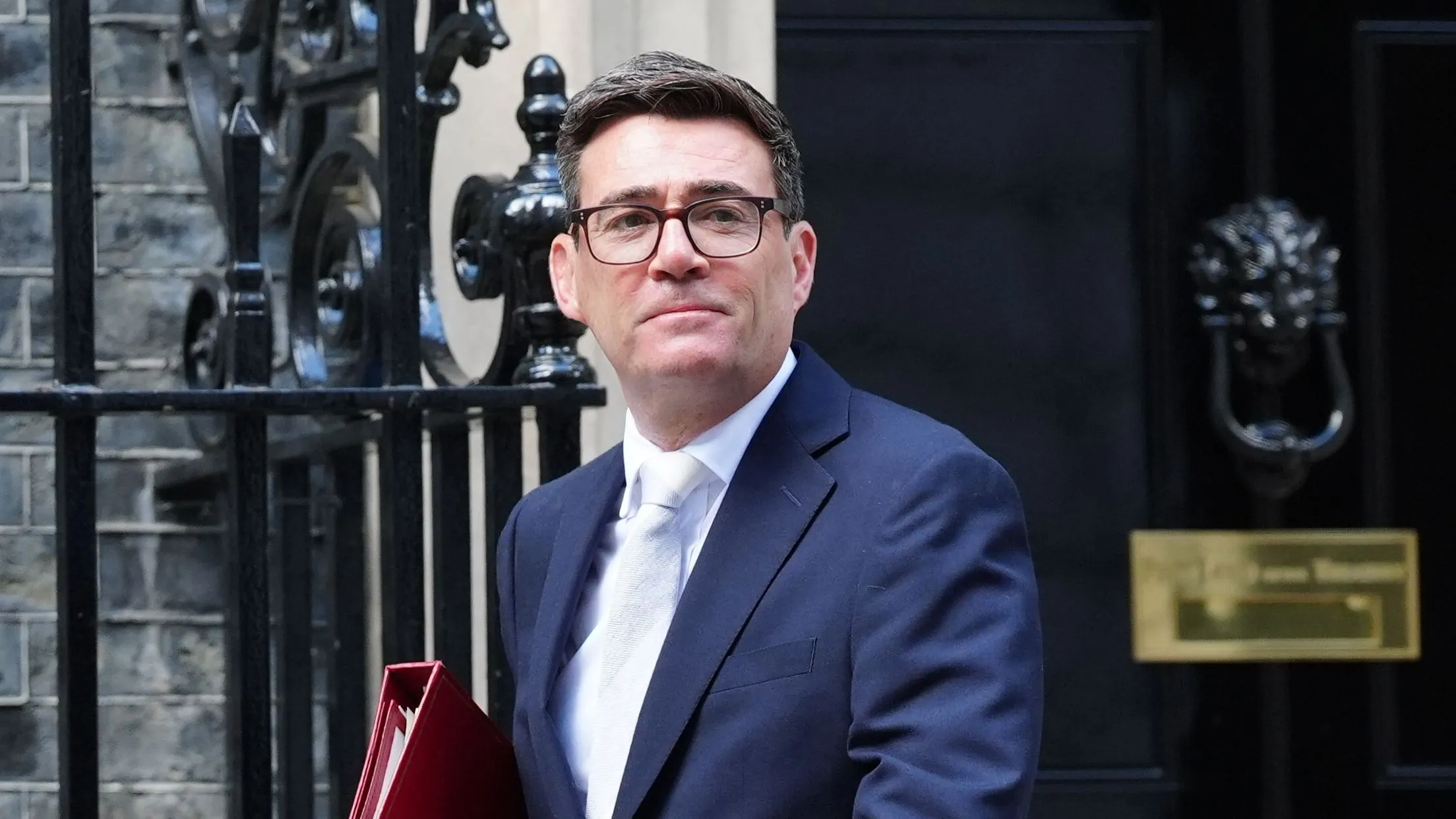
Prime Minister Andy Burnham faces Commons lawmakers for the first time since becoming the United Kingdom’s leader six weeks ago, addressing Parliament on the day it returned from its summer break, with wars in Europe and the Middle East weighing heavily on his government’s agenda.
Burnham used the address to outline his vision for economic renewal, promising to unlock what he described as a feeling of positivity and possibility in every postcode across Britain, while acknowledging the significant challenges his government faces on both domestic and international fronts.
The new prime minister emphasized his commitment to improving prospects for people throughout the country, stating his belief that the coming decade could prove better than the last, though he offered limited specific policy detail during this initial parliamentary address to lawmakers.
Burnham’s promise to kick start the economy and ease the cost of living comes amid significant economic headwinds, including elevated energy prices tied to ongoing Middle East conflict and broader inflationary pressures affecting households across the country during this challenging period.
This address marked a significant moment for Burnham’s premiership, providing lawmakers and the broader public their first substantial opportunity to assess his leadership style and policy priorities since he assumed the role following the previous prime minister’s departure from office.
International affairs featured prominently in the broader political context surrounding this address, with ongoing conflicts in both Ukraine and the Middle East creating significant foreign policy challenges that any British government must navigate alongside pressing domestic economic concerns.
Opposition lawmakers used the occasion to press Burnham on specific policy commitments, testing how his rhetorical promises of positivity and renewal might translate into concrete legislative action addressing the practical economic challenges facing British households and businesses.
Political analysts note that new prime ministers typically face heightened scrutiny during their initial parliamentary appearances, as both allies and opponents assess leadership style and communication approach that will likely characterize their broader governing tenure going forward.
The timing of this address, coinciding with Parliament’s return from summer recess, provided a natural moment for Burnham to formally present his governing vision to the full chamber, following weeks of more limited public engagement since initially assuming the premiership.
Public reaction to the address has shown mixed initial responses, reflecting the broader political complexity Burnham faces in a country navigating significant economic pressures alongside complicated international relationships affecting both security and economic policy considerations.
As Burnham’s premiership continues developing, this parliamentary address represents an important early marker for assessing his governing approach. Whether his promised optimism translates into tangible policy achievements will likely become clearer as his government moves from rhetorical commitments toward specific legislative action in the coming months.